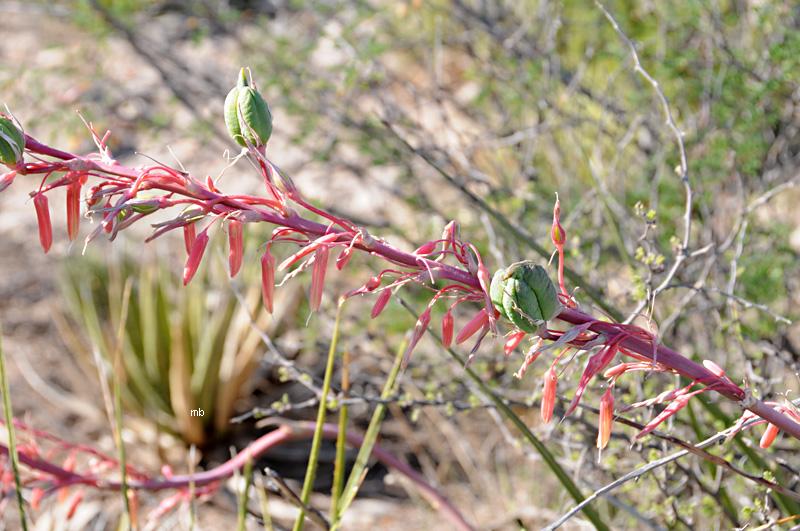
Hesperaloe parviflora, commonly known as Red Yucca, is a striking native perennial that brings architectural elegance and vibrant color to desert landscapes with its coral-pink, yellow, or bright red flower stalks. As a licensed landscape architect in San Tan Valley, Arizona, I’ve spent decades at Franciscan Landscape LLC designing sustainable gardens, and Red Yucca’s drought tolerance, hummingbird appeal, and low-maintenance nature make it a favorite for our arid climate. Here’s how to grow this desert gem and its cultivars to transform your San Tan Valley yard.
Why Choose Red Yucca?
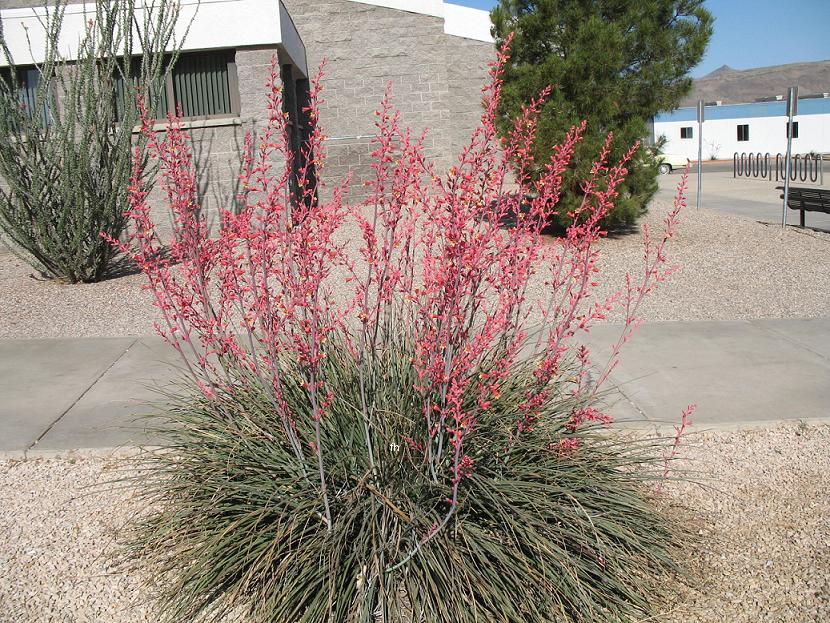
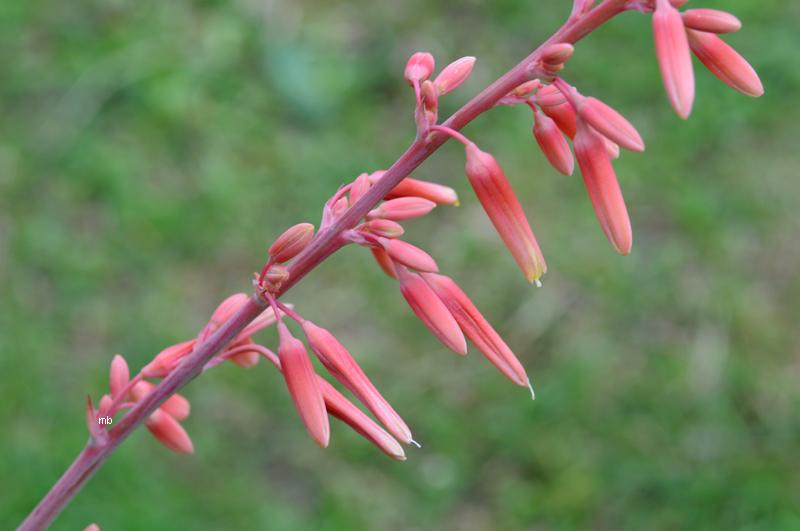
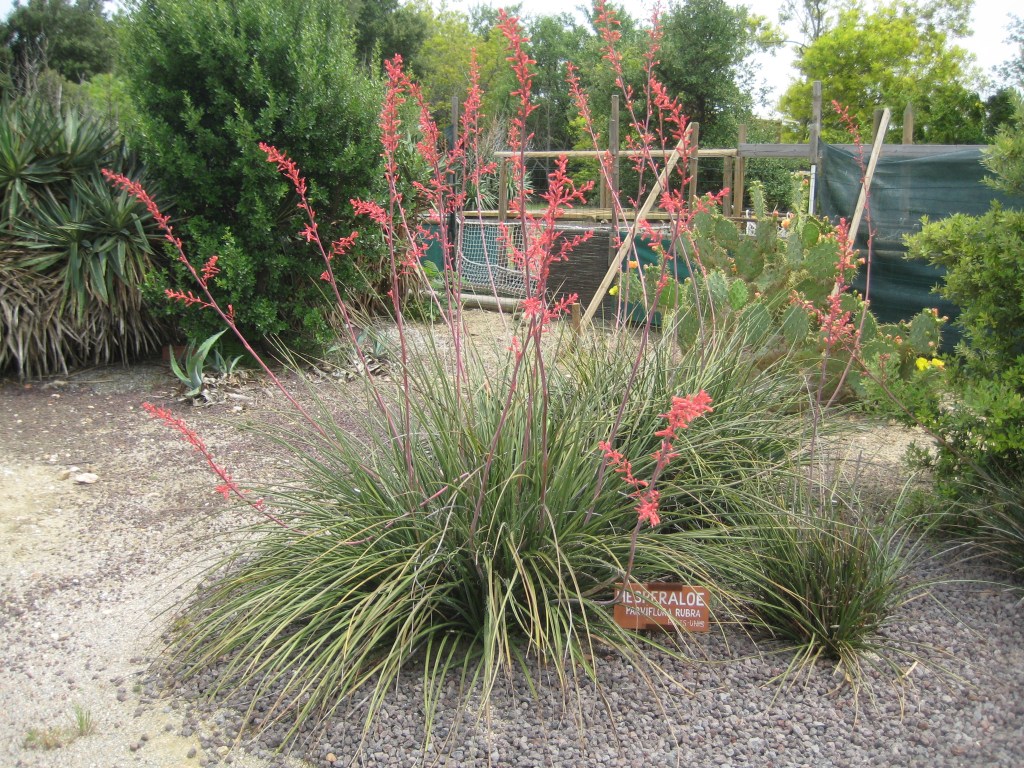
Despite its name, Red Yucca isn’t a true yucca but a member of the Agave family, native to the Chihuahuan Desert of Texas and Mexico. Its arching, evergreen, grass-like leaves form a dense rosette, typically 2–3 feet tall and wide, with towering flower stalks reaching 4–6 feet. The standard form produces coral-pink to red tubular flowers that bloom from spring through summer, attracting hummingbirds and butterflies. I’ve grown Red Yucca in my San Tan Valley garden and seen its ability to thrive in harsh conditions, including reflected heat from walls or pavement.
For variety, consider these cultivars:
- Yellow Yucca: A natural variant with bright yellow flowers, offering a sunny contrast to the standard coral-pink blooms. It’s equally drought-tolerant and hummingbird-friendly.
- Brakelights: A compact cultivar (2 feet tall and wide) with vivid, true-red flowers, ideal for small spaces or streetscapes. Its shorter bloom stalks and intense color make it a standout.
- Stoplights: Another dwarf variety (2 feet tall and wide) with bright red tubular flowers, slow-growing and perfect for pots or small yards. Deer may eat the flowers, so consider fencing in high-deer areas.
At Franciscan Landscape, we recommend Red Yucca for clients in San Tan Valley (zip codes 85140, 85142, and 85143) seeking low-water, high-impact plants for xeriscape designs, rock gardens, or poolside accents. Its minimal maintenance and pollinator appeal make it a desert favorite.
Cultural Requirements for Success
To ensure Red Yucca thrives, follow these care tips based on my experience:
- Sunlight: Red Yucca loves full sun (6–8 hours daily) but tolerates part shade. Its ability to handle reflected heat makes it ideal for planting near walls, patios, or driveways in San Tan Valley.
- Soil: Superior drainage is essential. Amend clay-heavy local soils with sand or gravel to prevent waterlogging. Plant in a hole twice the width of the root ball, with minimal organic matter to mimic its native desert conditions.
- Watering: Once established, Red Yucca is extremely drought-tolerant. Water young plants deeply once a week during their first summer, then reduce to every 2–3 weeks in summer, minimal in winter. Overwatering can cause root rot.
- Temperature: Hardy to -20°F, Red Yucca thrives in San Tan Valley’s heat and tolerates light freezes. Trim spent flower stalks in late summer to maintain tidiness, but avoid heavy pruning of foliage.
Propagation Tips
Propagating Red Yucca is straightforward and rewarding.
Here are methods I’ve used in San Tan Valley:
- From Seed: Collect woody seedpods after flowering, break them open, and plant seeds in a well-draining mix in spring. Soak seeds for 24 hours to aid germination, which takes 3–4 weeks at 70–80°F. This works well for the yellow cultivar.
- From Offsets: Divide mature clumps in early spring by gently separating offsets (pups) from the base. Replant in well-draining soil and water sparingly until established. This is effective for ‘Brakelights’ and ‘Stoplights’.
Design and Companion Planting
Red Yucca’s rosette form and tall flower stalks make it a versatile accent, mass planting, or container plant in xeriscape or modern landscapes. Its cultivars add color variety, with ‘Brakelights’ and ‘Stoplights’ perfect for compact spaces and yellow-flowered forms for brighter accents.

In my San Tan Valley projects, I pair it with plants that enhance its structure and ecological value:
- Outback Sunrise (Eremophila ‘Outback Sunrise’): This fast-growing shrub with dark green foliage and golden-yellow flowers offers a refreshing contrast to Red Yucca’s coral, red, or yellow blooms. Its spreading habit (up to 6–8 feet wide) requires ample space, so plant it in open areas to avoid crowding. The dark green color is a vibrant, cooling presence in the desert.
- Compact Texas Sage (Leucophyllum frutescens ‘Compacta’): This low-growing shrub (3–4 feet tall) with silvery foliage and purple flowers complements Red Yucca’s upright form, adding texture and pollinator appeal. Its compact size fits well in small gardens or borders.
- Red Bird of Paradise (Caesalpinia pulcherrima): Its fiery orange-red blooms create a bold, warm-toned palette, enhancing the desert aesthetic and attracting hummingbirds.
Group these plants with rock mulch or gravel to conserve water and evoke a natural desert look. At Franciscan Landscape, we’ve used Red Yucca in San Tan Valley yards to create low-maintenance, pollinator-friendly gardens that thrive with minimal care.
Challenges and Solutions
Red Yucca is low-maintenance but can face challenges in our desert climate. Here’s how to address them, based on my experience:
- Pests: Aphids, whiteflies, or caterpillars may occasionally appear, especially in spring. Caterpillars can chew leaves, but hand-picking or using Bacillus thuringiensis (Bt) controls them effectively. For aphids and whiteflies, a strong water spray or insecticidal soap works without harsh chemicals, aligning with our eco-friendly approach at Franciscan Landscape.
- Deer Browsing: Deer may eat the flower stalks, especially on ‘Stoplights’. Use fencing or plant in protected areas to deter them.
- Overwatering: Heavy clay soils can retain too much moisture, causing root rot. Ensure proper drainage and water sparingly once established.
Why It’s a Desert Southwest Favorite
Red Yucca, with its standard coral-pink, yellow, or bright red ‘Brakelights’ and ‘Stoplights’ cultivars, offers stunning color, hummingbird appeal, and unmatched drought tolerance. Its ability to thrive in reflected heat and poor soils makes it a cornerstone of sustainable landscaping in San Tan Valley. As someone who started gardening at age 11 and now leads Franciscan Landscape LLC, I’ve seen Red Yucca transform yards into vibrant, eco-conscious spaces that shine in our harsh climate.
Ready to Transform Your Desert Landscape?
Bring the bold beauty of Red Yucca and its vibrant cultivars to your San Tan Valley yard with Franciscan Landscape LLC. Whether you need help with planting, maintenance, or a custom landscape design, our team is here to create a sustainable, stunning outdoor space tailored to your needs. As a licensed landscape architect, I’m committed to helping you achieve a low-maintenance, eco-friendly garden that thrives in our desert climate.
Get started today! Request a free estimate or schedule a consultation by calling us at (480) 382-8832 or visiting Franciscan Landscape LLC. Let’s grow your dream desert landscape together!
 Franciscan Landscape