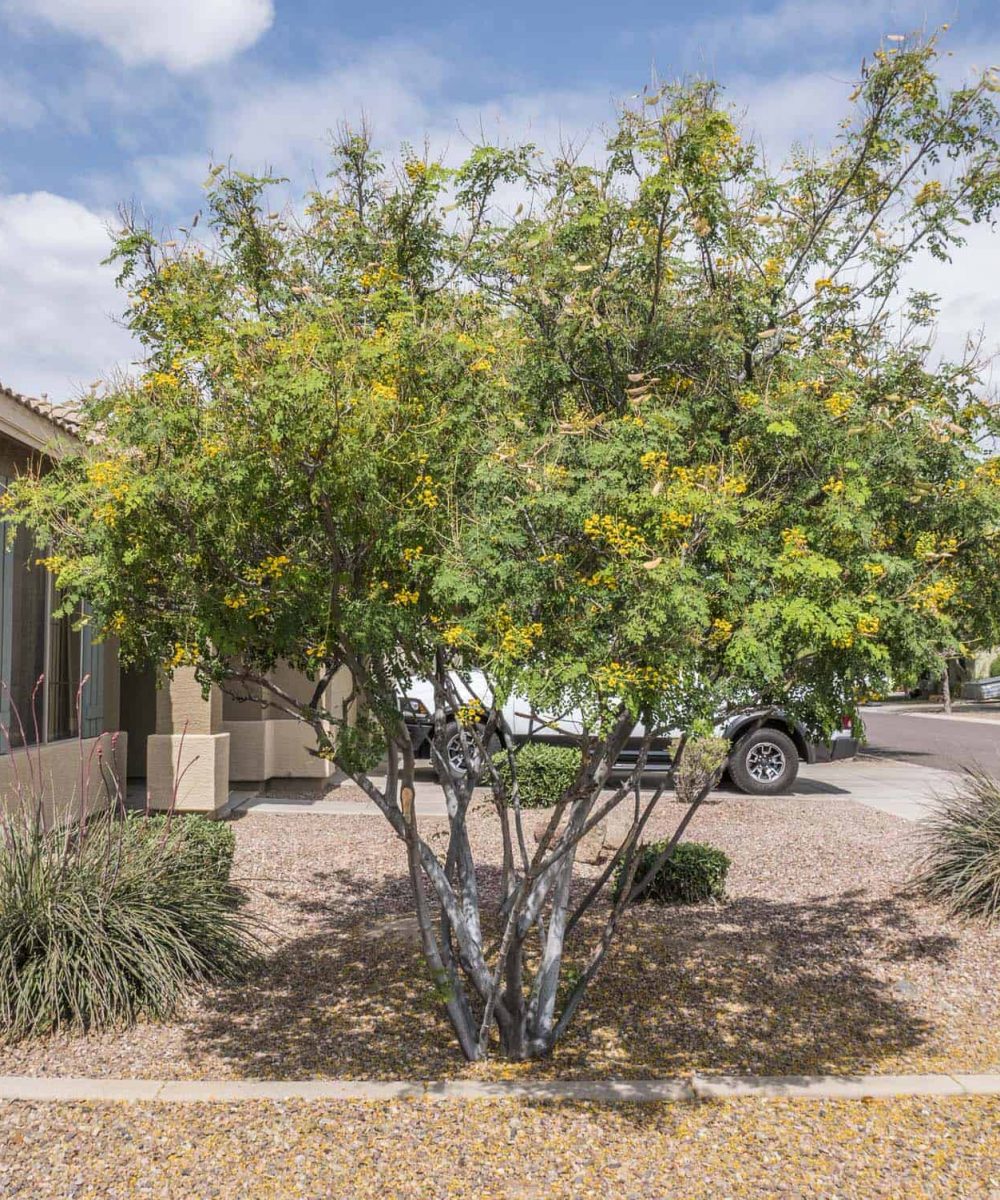
In the scorching low desert climate of San Tan Valley and Florence, Arizona, selecting the right small trees for courtyards and patios is essential for creating beautiful, low-maintenance outdoor spaces that thrive without excessive water or upkeep.
As a licensed Arizona landscape architect at Franciscan Landscape, I’ve helped countless homeowners enhance their landscape design with drought-tolerant trees that stay under 15-20 feet tall, providing shade, color, and eco-friendly appeal while complying with local HOA guidelines. These compact trees not only boost curb appeal but also support sustainable landscape maintenance in our arid environment, where temperatures soar and water conservation is key.
Whether you’re redesigning a cozy patio or maintaining a courtyard oasis, here are some top choices that flourish in USDA zones 8-10, complete with tips for planting and care.
Mulga Acacia (Acacia aneura): A Tough Desert Native for Minimal Effort
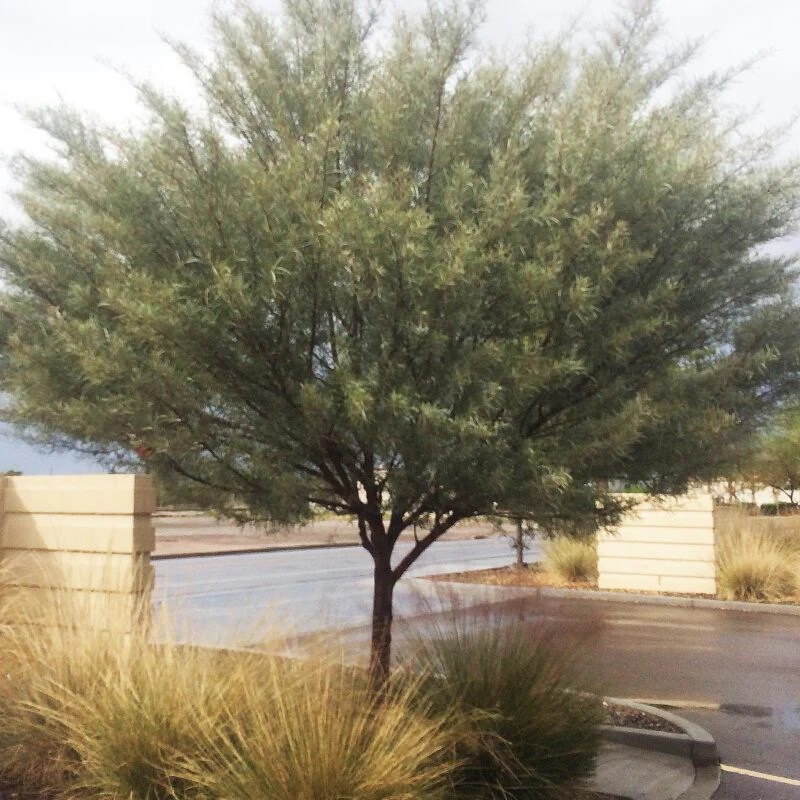
The Mulga Acacia is a standout for landscape design in San Tan Valley and Florence, offering a dense, evergreen canopy that provides year-round privacy and shade without overwhelming small spaces. Reaching 14-18 feet tall with a similar spread, this Australian native adapted to Arizona’s low desert thrives in full sun and well-draining soil, requiring deep but infrequent watering once established—about every two weeks in summer. Its feathery green foliage and yellow spring blooms attract pollinators, making it ideal for eco-friendly patios. For maintenance, prune lightly in late winter to shape, and avoid overwatering to prevent root rot. This low-water tree is perfect for xeriscaping, simplifying landscape maintenance while adding a natural, resilient touch to your courtyard.
Chaste Tree (Vitex agnus-castus): Fragrant Blooms for Vibrant Patios
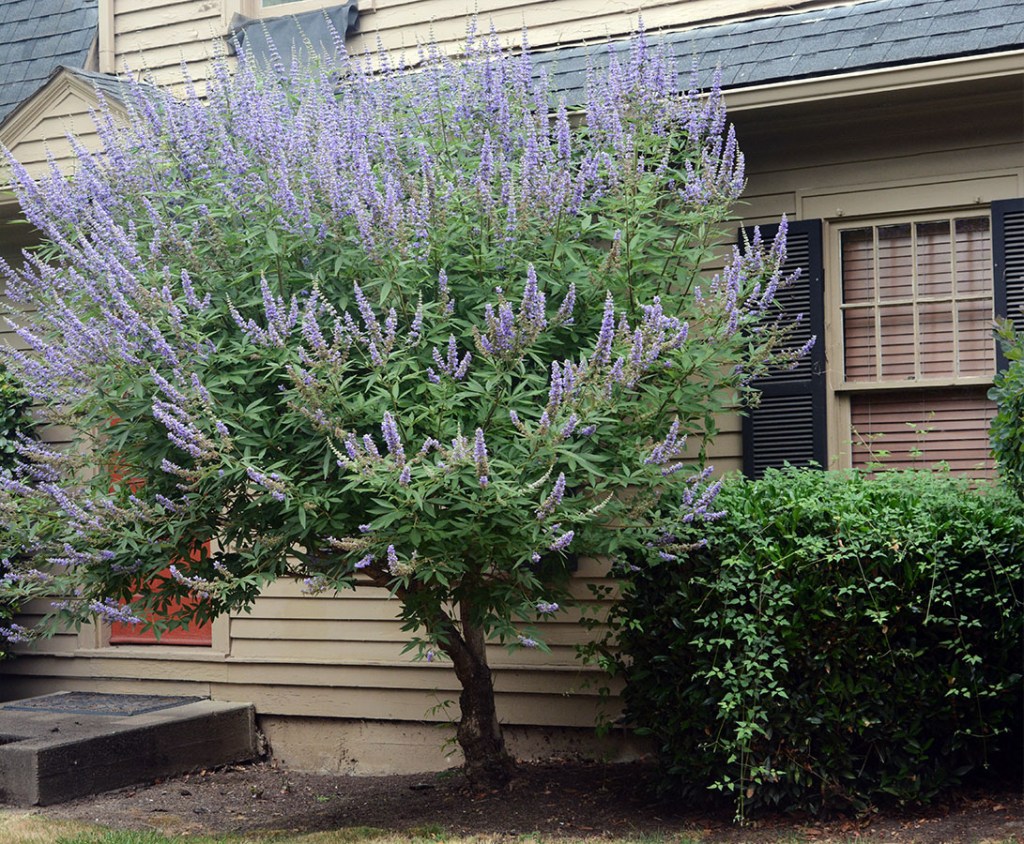
Known for its lavender-blue flower spikes that bloom from summer into fall, the Chaste Tree brings a pop of color and fragrance to landscape designs in Florence and San Tan Valley. Growing 10-20 feet tall, it’s deciduous but rebounds quickly in our mild winters, preferring full sun and well-drained soil with minimal irrigation after establishment. This Mediterranean native is heat-tolerant and attracts butterflies and bees, enhancing biodiversity in small patios. Landscape maintenance is straightforward: prune in early spring to encourage bushier growth and more flowers, and fertilize sparingly with a low-nitrogen formula. It’s a great choice for homeowners seeking low-maintenance beauty that complements desert-style courtyards without exceeding height limits.
Cascalote (Caesalpinia cacalaco): Winter Color for Year-Round Appeal
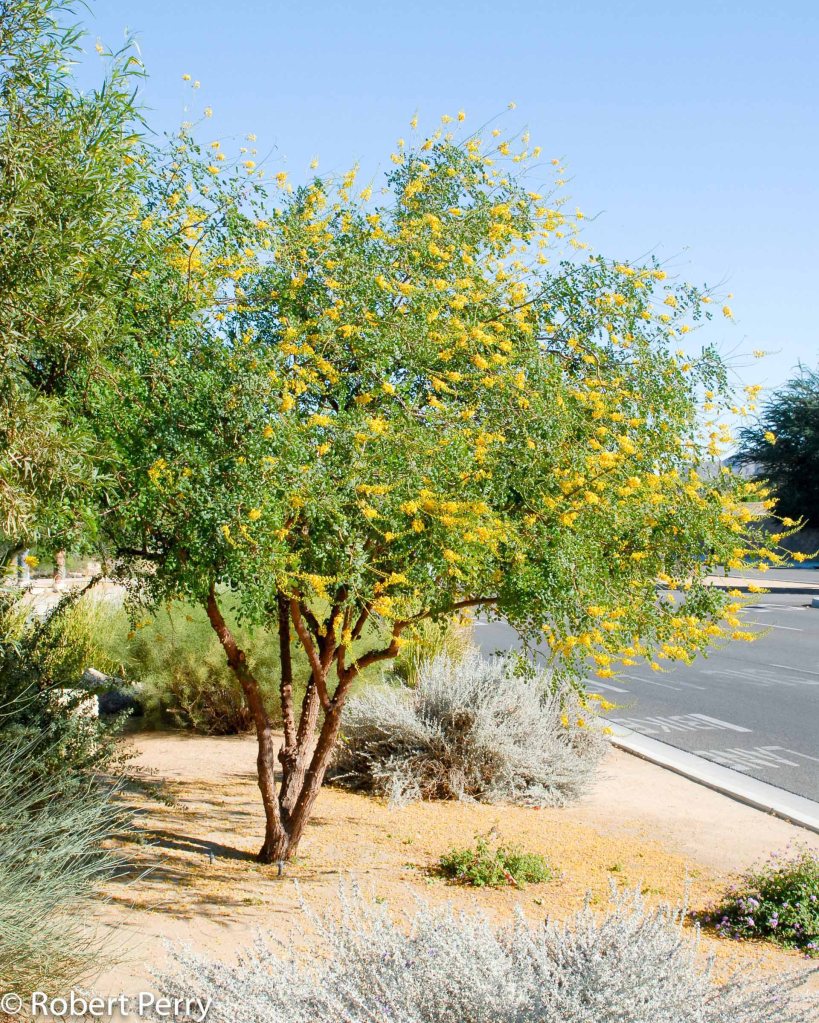
For a splash of winter interest in your San Tan Valley or Florence courtyard, the Cascalote tree delivers bright yellow flower clusters from fall through winter, contrasting beautifully against its semi-evergreen foliage. Maturing at 15-20 feet tall and 10-15 feet wide, this Mexican native excels in low-desert heat with full sun exposure and low water needs—deep soakings every few weeks suffice once rooted. Its thorny branches add a natural barrier for privacy, ideal for patio landscapes. Maintenance tips include pruning after blooming to maintain shape and removing debris to prevent pests, making it a sustainable option for eco-conscious landscape design.
Mexican Bird of Paradise (Caesalpinia mexicana): Bold Foliage and Flowers
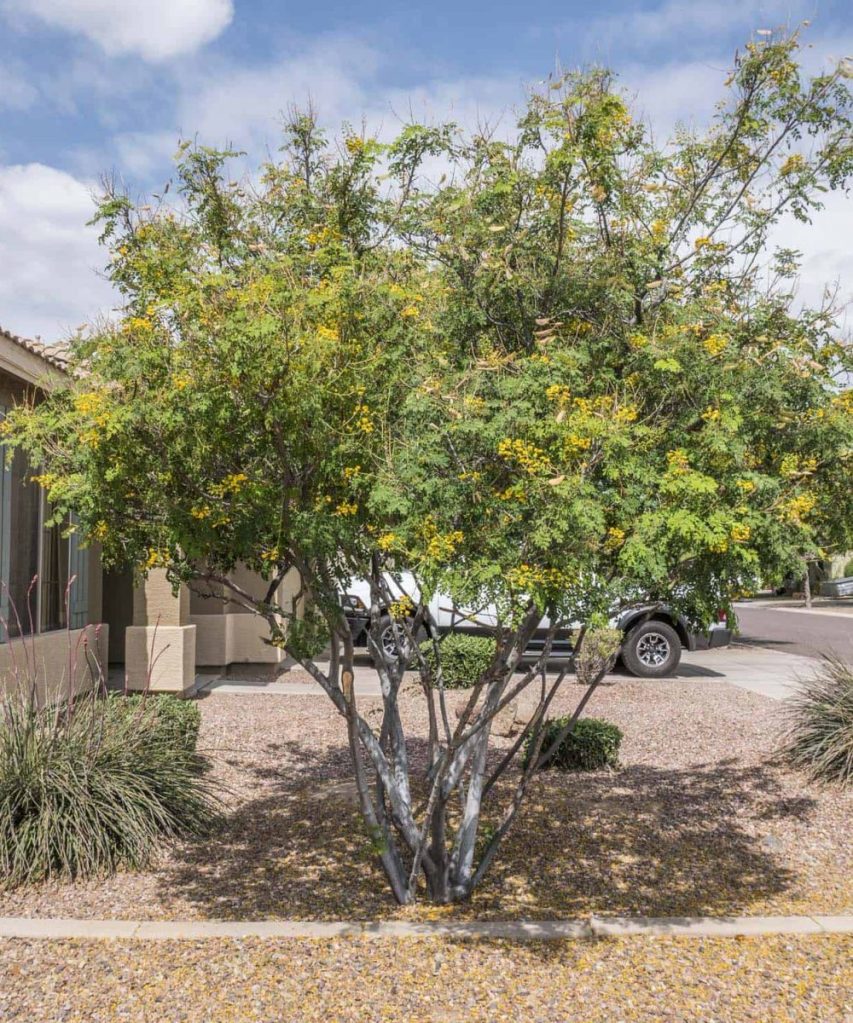
The Mexican Bird of Paradise stands out in landscape designs with its vibrant yellow blooms and fern-like leaves, growing as a small tree or large shrub up to 10-15 feet tall—perfect for compact patios in Florence and San Tan Valley. Thriving in full sun and poor, sandy soils, it demands little water beyond occasional deep irrigations and is highly drought-tolerant. This evergreen beauty adds tropical flair while attracting hummingbirds. For landscape maintenance, prune back by one-third in early spring to promote fuller growth and more flowers, ensuring it stays neat and under control in courtyard settings.
Desert Willow (Chilopsis linearis): Graceful Blooms for Desert Elegance
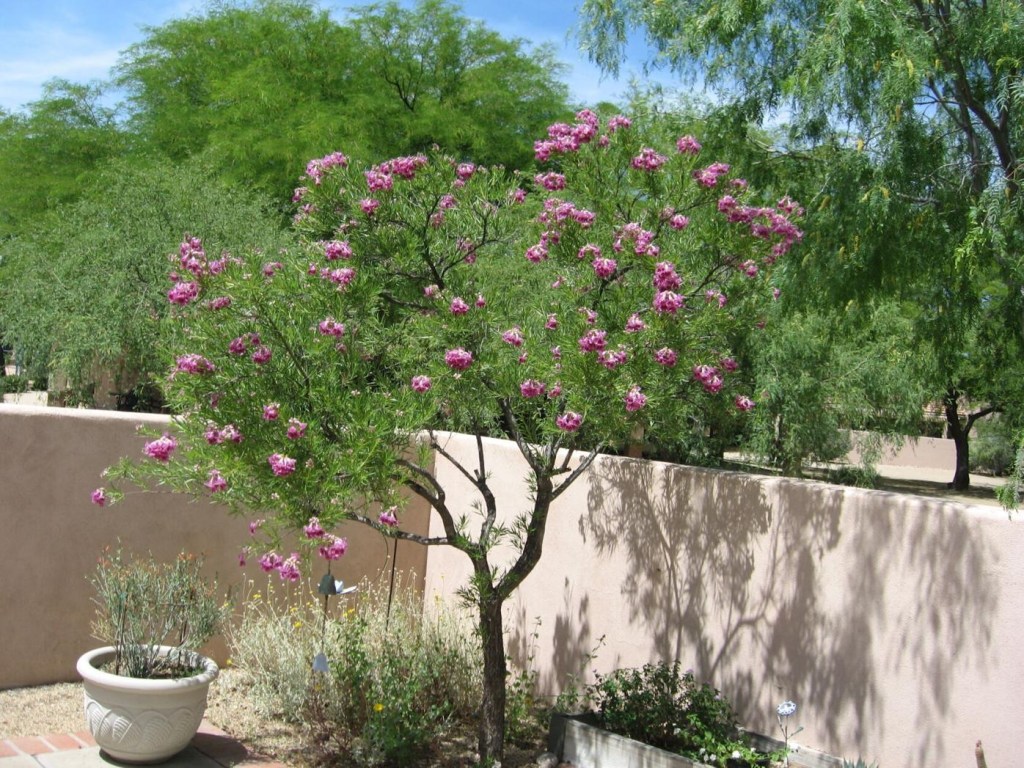
A favorite for its willow-like leaves and trumpet-shaped pink-to-purple flowers in summer, the Desert Willow is a fast-growing yet compact tree reaching 15-20 feet, ideal for shading patios without dominating the space in San Tan Valley or Florence. Native to the Southwest, it loves full sun, well-drained soil, and minimal watering—once established, it handles drought like a champ. Its open canopy allows light filtering, perfect for underplanting in landscape designs. Maintenance involves pruning in winter to remove suckers and shape the trunk, plus occasional deep watering during dry spells to boost blooms.
Additional Choices: Texas Mountain Laurel and Sweet Acacia
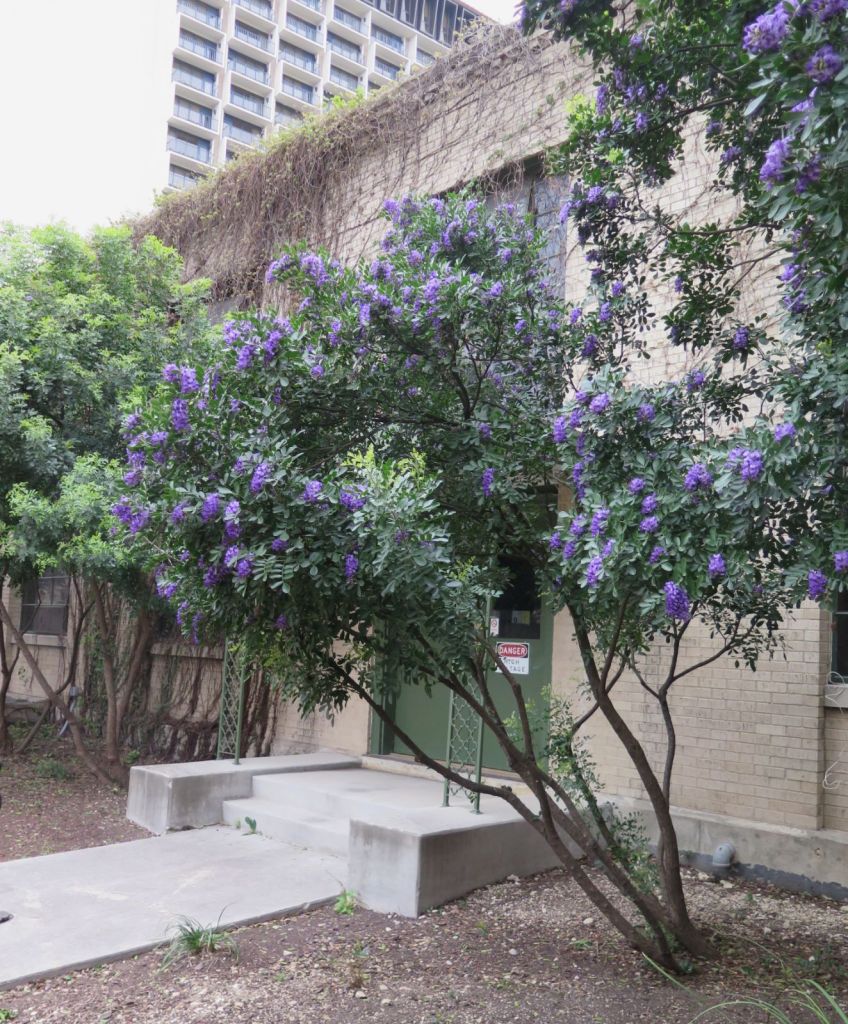
Beyond the essentials, consider the Texas Mountain Laurel (Sophora secundiflora) for its glossy evergreen leaves and fragrant purple spring flowers, growing 10-15 feet tall in low-desert conditions with full sun and low water—prune lightly post-bloom for shape.
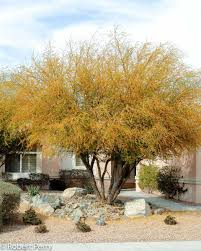
Another excellent option is the Sweet Acacia (Acacia farnesiana), a thorny small tree hitting 15-20 feet with golden puffball flowers and a sweet scent, thriving in heat with minimal care beyond occasional pruning. Both enhance sustainable landscape maintenance while fitting snugly into courtyards.
Incorporating these small trees into your landscape design not only elevates the aesthetic of your San Tan Valley or Florence patio but also promotes water-efficient, low-maintenance living in Arizona’s low desert.
At Franciscan Landscape, we specialize in xeriscaping and tailored services to help you select, plant, and maintain these beauties. Contact us today at (480) 382-8832 or visit FranciscanLandscape.com for a free consultation—let’s cultivate peace in your outdoor space with “Better Gardens, Better Lives.”

 Franciscan Landscape