One of the joys of living in San Tan Valley, Arizona, is experiencing the changing colors of the desert throughout the year. From carpets of wildflowers in spring to towering cacti blooms in summer, the Sonoran Desert is alive with seasonal beauty. Knowing what blooms when not only helps you plan local photography outings but also provides inspiration for incorporating seasonal color into your own landscape design.
Spring (February – April): Wildflower Season
Spring is the desert’s most colorful time of year. After winter rains, wildflowers blanket open spaces and trails. Look for:
- Mexican Gold Poppies (Eschscholzia californica ssp. mexicana): Bright yellow blooms covering hillsides.
- Brittlebush (Encelia farinosa): Silver-leaved shrubs topped with yellow daisy-like flowers.
- Lupines (Lupinus sparsiflorus): Purple spikes adding contrast to golden poppy fields.
- Desert Marigold (Baileya multiradiata): Cheerful yellow blooms nearly year-round, but especially strong in spring.
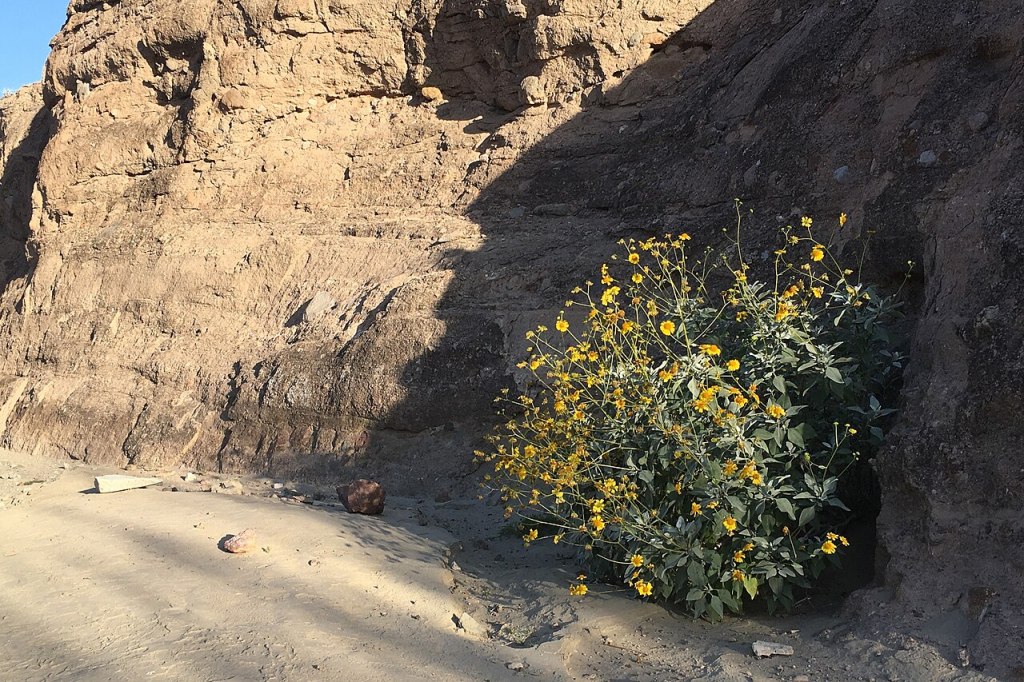
🌿 Photography Spots: San Tan Mountain Regional Park, local washes, and undeveloped desert lots after rains.
🌿 Landscape Tip: Plant desert marigold, brittlebush, and penstemon in home gardens for reliable spring color.
Early Summer (May – June): Cactus Blooms
As temperatures climb, cacti steal the show with dramatic flowers.
- Saguaro Cactus (Carnegiea gigantea): White blossoms crown the giant arms in May–June.
- Barrel Cactus (Ferocactus species): Bright yellow and orange flowers open during hot summer days.
- Prickly Pear (Opuntia species): Brilliant magenta and yellow blooms followed by edible fruit.
- Hedgehog Cactus (Echinocereus species): Clusters of magenta flowers low to the ground.
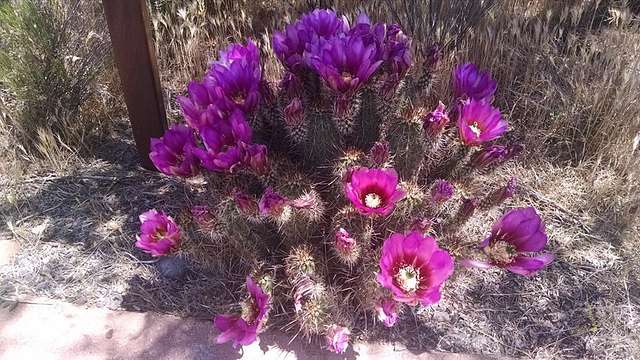
🌿 Photography Spots: Along Goldmine Trail in San Tan Mountain Park or neighborhood washes.
🌿 Landscape Tip: Prickly pear adds both seasonal blooms and edible fruit to xeriscape gardens.
Monsoon Season (July – September): Desert Revival
The summer rains awaken the desert again, bringing fresh greenery and a burst of blooms.
- Desert Willow (Chilopsis linearis): Lavender, orchid-like flowers attract hummingbirds.
- Texas Sage (Leucophyllum frutescens): Bursts of purple flowers appear after each rainfall.
- Ocotillo (Fouquieria splendens): Red flower spikes often rebloom after storms.
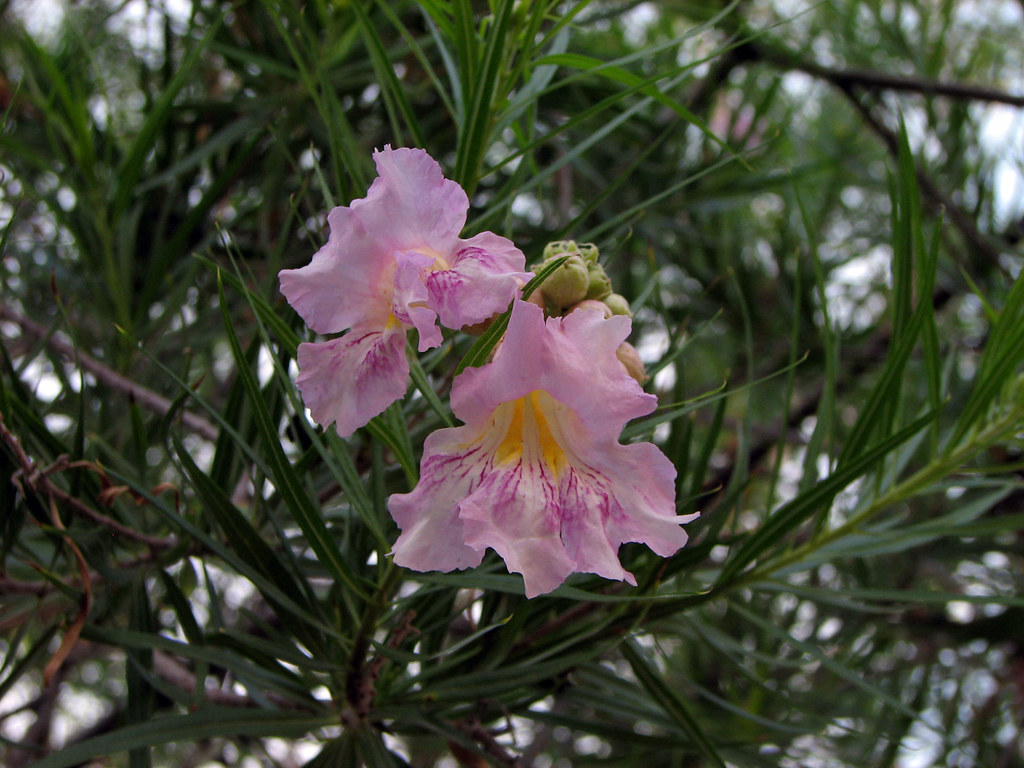
🌿 Photography Spots: Roadsides, washes, and desert neighborhoods after summer storms.
🌿 Landscape Tip: Add desert willow or Texas sage to your yard for natural rain-triggered color.
Fall and Winter (October – January): Subtle Desert Color
While not as showy as spring, cooler months offer subtle and unique blooms.
- Fairy Duster (Calliandra eriophylla): Pink, powder-puff flowers provide winter pollinator support.
- Aloe (Aloe ‘Blue Elf’ and Aloe vera): Succulents burst into orange and coral flower spikes.
- Chuparosa (Justicia californica): Red tubular blooms that keep hummingbirds active all winter.
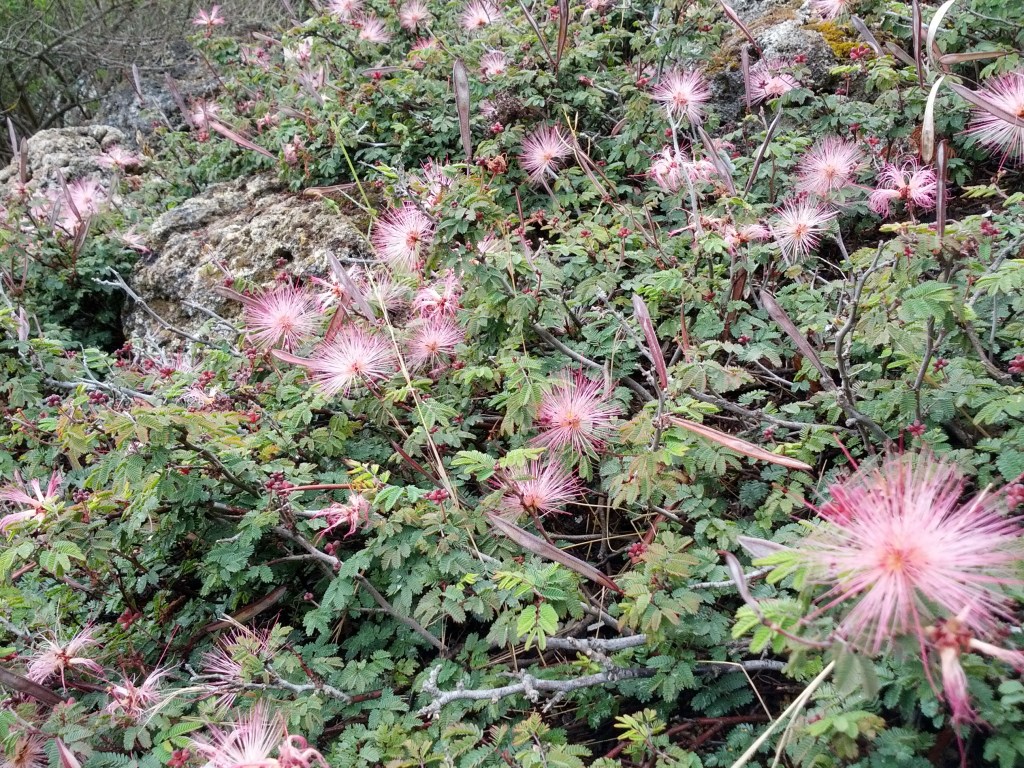
🌿 Photography Spots: Desert Botanical Garden (Phoenix), Boyce Thompson Arboretum (Superior), or your own yard.
🌿 Landscape Tip: Plant winter-blooming shrubs like chuparosa and aloe for year-round garden interest.
Bringing the Desert Bloom Calendar Into Your Landscape
By selecting plants that bloom in different seasons, you can ensure your San Tan Valley xeriscape garden has color all year long. A mix of wildflowers, cacti, shrubs, and succulents creates a dynamic outdoor space that supports pollinators and reflects the beauty of the natural desert.
About Franciscan Landscape
At Franciscan Landscape, we design and maintain water-wise landscapes that celebrate Arizona’s seasonal beauty. Serving San Tan Valley and Florence, AZ, we help homeowners choose the right plants for color, texture, and sustainability year-round.
🌐 Visit us at FranciscanLandscape.com
📞 Call us today at 480-382-8832 for a free consultation.

 Franciscan Landscape