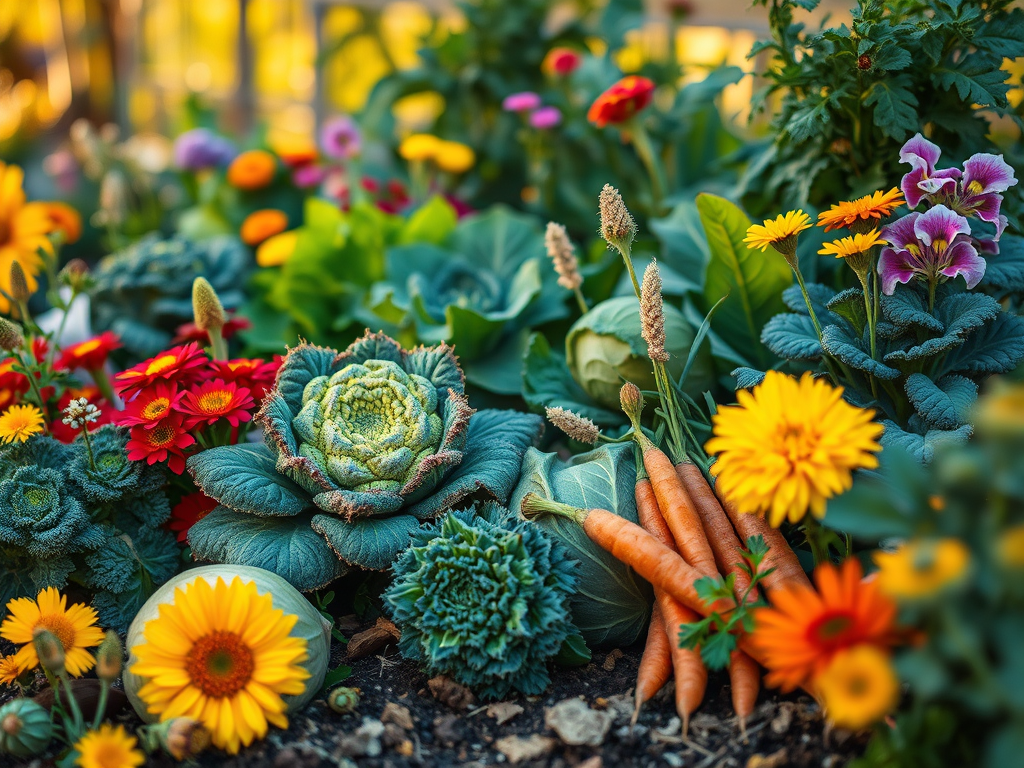
As the intense summer heat of Arizona’s low desert gives way to the cooler, milder days of autumn, gardeners in San Tan Valley, Queen Creek, and Florence have a prime opportunity to prepare for a vibrant spring garden. Fall planting allows plants to establish strong roots during the cooler months, setting the stage for lush blooms and bountiful harvests when spring arrives. In Pinal County’s arid climate (USDA Hardiness Zones 9-10B), with its hot summers and minimal rainfall (8-12 inches annually), choosing the right plants and timing is key. This guide, informed by the University of Arizona Cooperative Extension and Pinal County Master Gardeners, highlights the best vegetables, herbs, and flowers to plant in the fall for a stunning spring garden, tailored to the unique conditions of Arizona’s low desert.
Why Fall Planting?
Fall is an ideal time for planting in Arizona’s low desert due to several advantages:
- Cooler Temperatures: Autumn’s milder weather (60-80°F) reduces heat stress, allowing plants to focus energy on root development rather than survival.
- Reduced Water Needs: Lower temperatures mean less evaporation, making it easier to maintain plants with less frequent watering compared to summer.
- Strong Root Systems: Plants established in fall develop robust roots over winter, ensuring vigorous growth and blooms or harvests in spring.
- Extended Growing Season: Arizona’s mild winters allow many cool-season crops and flowers to thrive, providing early spring yields or displays.
By planting in the fall, you can create a garden that bursts into life with color and productivity as spring arrives, enhancing your home’s curb appeal and sustainability.
Best Plants for Fall Planting
To achieve a vibrant spring garden, focus on cool-season vegetables, herbs, and flowers that thrive when planted in the fall. Below are top recommendations, drawn from the University of Arizona Cooperative Extension and resources like Growing In The Garden.
Vegetables
Cool-season vegetables planted in the fall take advantage of milder temperatures to grow steadily, yielding fresh produce in spring. Here are some of the best options for San Tan Valley, Queen Creek, and Florence:
| Vegetable | Planting Method | Fall Planting Dates | Time to Harvest | Notes |
|---|---|---|---|---|
| Broccoli | Seed or Transplant | Sep 15 – Nov 15 | 80–130 days | Harvest side shoots after main head; choose heat-tolerant varieties (Broccoli Guide). |
| Cabbage | Seed or Transplant | Sep 15 – Nov 15 | 80–130 days | Avoid heat or severe frost to prevent splitting (Cabbage Guide). |
| Carrots | Seed | Sep 15 – Mar | 60–100 Ascertainable | Thin seedlings to 2-3 inches apart; harvest before summer heat (Carrots Guide). |
| Kale | Seed or Transplant | Sep 15 – Dec 15 | 60–90 days | Harvest outer leaves for continuous growth (Kale Guide). |
| Lettuce | Seed or Transplant | Sep 15 – Jan 15 | 50–100 days | Use cut-and-come-again method; plant early to avoid bolting (Lettuce Guide). |
| Peas | Seed | Sep 15 – Jan 15 | 60–150 days |
Planting Tip: Plant seeds or transplants between September 15 and November for optimal spring harvests. Succession planting (sowing every 2-3 weeks) ensures a continuous supply.
Herbs
Herbs planted in the fall provide fresh flavors by spring, adding both culinary and aesthetic value to your garden. Recommended herbs include:
| Herb | Planting Method | Fall Planting Dates | Notes |
|---|---|---|---|
| Cilantro | Seed or Transplant | Oct – Jan | Cool-season annual; harvest regularly to delay flowering (Cilantro Guide). |
| Parsley | Seed or Transplant | Oct – Mar (seeds), Oct – Apr (transplants)YOUCANNOTUSETHIS | Biennial, often grown as annual; harvest leaves as needed (Parsley Guide). |
| Dill | Seed | Oct – Jan | Cool-season annual; attracts beneficial insects (Dill Guide). |
| Chives | Seed or Division | Oct – Apr | Perennial; divide in fall for spring growth (Chives Guide). |
Planting Tip: Plant in well-drained soil with morning sun and afternoon shade to prevent bolting in warm weather.
Flowers
Cool-season flowers planted in the fall create a colorful spring display, enhancing your garden’s beauty. Top choices from 10 Easiest Fall Flowers include:
| Flower | Planting Period | Blooming Period | Notes |
|---|---|---|---|
| Snapdragons | Sep 15 – Feb 15 | Nov – Jun | Attracts pollinators; excellent cut flowers (Snapdragons Guide). |
| Pansies/Violas | Sep 15 – Feb 15 | Nov – May | Edible; thrive in part shade (Violas Guide). |
| Dianthus | Sep – Jan | Oct – Apr | Colorful and easy to grow (Dianthus Guide). |
| Alyssum | Oct – Mar | Oct – May | Attracts pollinators; pairs well with geraniums (Alyssum Guide). |
| Lobelia | Sep 15 – Dec | Mar – Jun | Prefers part sun; needs regular water (Lobelia Guide). |
Planting Tip: Deadhead flowers regularly to encourage continuous blooming and pinch young plants to promote bushiness.
Planting Tips for Success
To ensure a thriving spring garden, follow these expert tips from the University of Arizona Cooperative Extension and local gardening resources:
- Soil Preparation: Amend Arizona’s often alkaline (pH 6.5-8.5) soils with compost or organic matter to improve drainage and fertility. Test soil pH through the Pinal County Master Gardeners’ helpline (520-836-5221).
- Watering: Water deeply but infrequently, about 1-2 inches weekly, to encourage deep roots. Use drip irrigation to minimize water loss in the dry climate, as recommended by Water Use It Wisely.
- Mulching: Apply 2-3 inches of organic mulch (e.g., bark, straw) or inorganic mulch (e.g., gravel) to retain moisture, suppress weeds, and regulate soil temperature.
- Frost Protection: Frost is rare in Pinal County, but use row covers or blankets during occasional cold snaps to protect young plants.
- Weed Control: At Franciscan Landscape, we use eco-friendly methods, applying 10% vinegar to kill existing weeds and corn gluten meal to prevent germination, ensuring a safe environment for your family and pets.
- Succession Planting: Plant seeds every 2-3 weeks for continuous harvests or blooms, especially for fast-growing crops like radishes and lettuce.
Local Resources
Pinal County gardeners can access valuable resources to support their fall planting efforts:
- Pinal County Master Gardeners: Contact the Plant Helpline at (520) 836-5221 for personalized advice on plant selection and care. Visit their demonstration garden at the Maricopa Agricultural Center (37860 W. Smith-Enke Rd, Maricopa, AZ) to see fall-planted gardens in action (Pinal County Master Gardeners).
- University of Arizona Cooperative Extension: Offers research-based guides on vegetables, herbs, and flowers, along with workshops for gardeners (Home Gardening).
- Local Nurseries: Visit SummerWinds Nursery or other local nurseries for seeds, transplants, and gardening supplies tailored to the low desert.
Conclusion
Fall planting in San Tan Valley, Queen Creek, and Florence is a strategic way to create a vibrant spring garden filled with fresh vegetables, aromatic herbs, and colorful flowers. By planting cool-season crops like broccoli and lettuce, herbs like cilantro and parsley, and flowers like snapdragons and pansies in the fall, you can enjoy a flourishing garden come spring. With the support of the Pinal County Master Gardeners and the University of Arizona Cooperative Extension, your garden can thrive in Arizona’s unique climate. Start planning your fall garden today by visiting the Maricopa Agricultural Center or calling the Plant Helpline, and watch your garden come alive with beauty and bounty in the spring!
 Franciscan Landscape