Edible landscaping transforms your yard into a vibrant blend of beauty and bounty by integrating fruits, vegetables, and herbs with ornamental plants. In the arid landscapes of San Tan Valley, Queen Creek, and Florence, Arizona, this approach not only enhances your home’s aesthetic but also provides fresh, homegrown produce while conserving water. Guided by the expertise of the University of Arizona Cooperative Extension and Pinal County Master Gardeners, this blog post offers practical tips to design a productive and beautiful edible garden tailored to Pinal County’s desert climate.
Why Choose Edible Landscaping in Arizona?
Edible landscaping is a sustainable solution for Arizona’s challenging climate, particularly in Pinal County’s USDA Hardiness Zones 9-10B, where hot summers and low rainfall (8-12 inches annually) demand water-efficient gardening. Benefits include:
- Sustainability: Growing your own food reduces reliance on commercial agriculture, lowering your environmental footprint.
- Health Benefits: Fresh, organic produce promotes a healthier diet, rich in nutrients.
- Economic Savings: Homegrown fruits, vegetables, and herbs cut grocery costs.
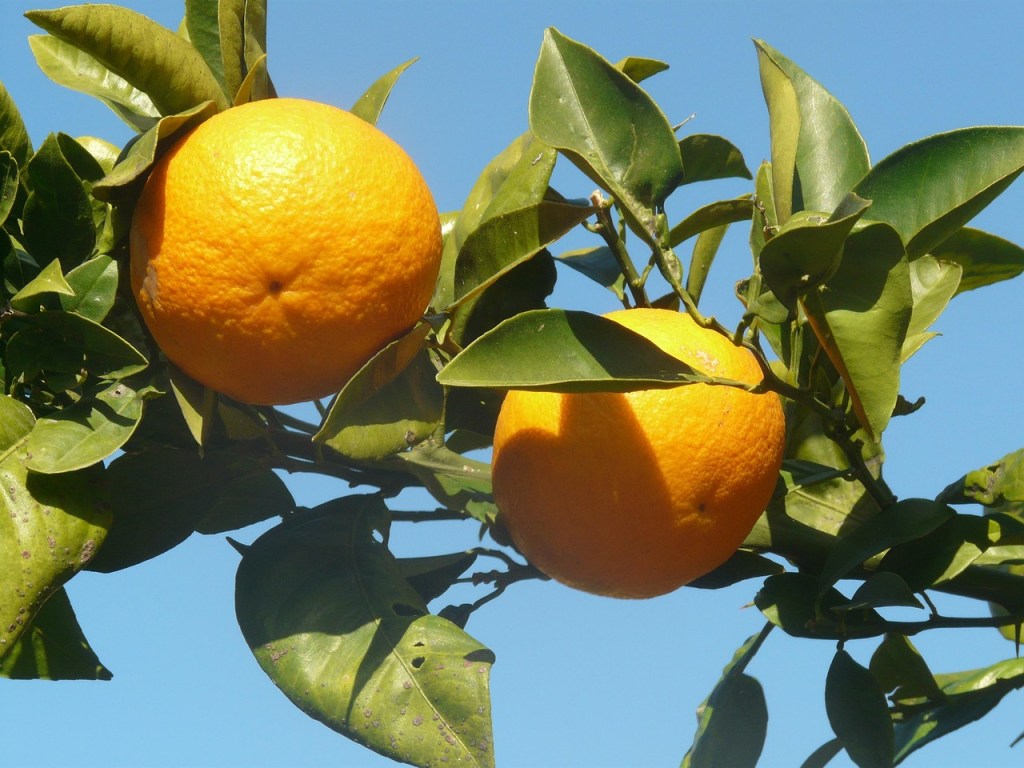
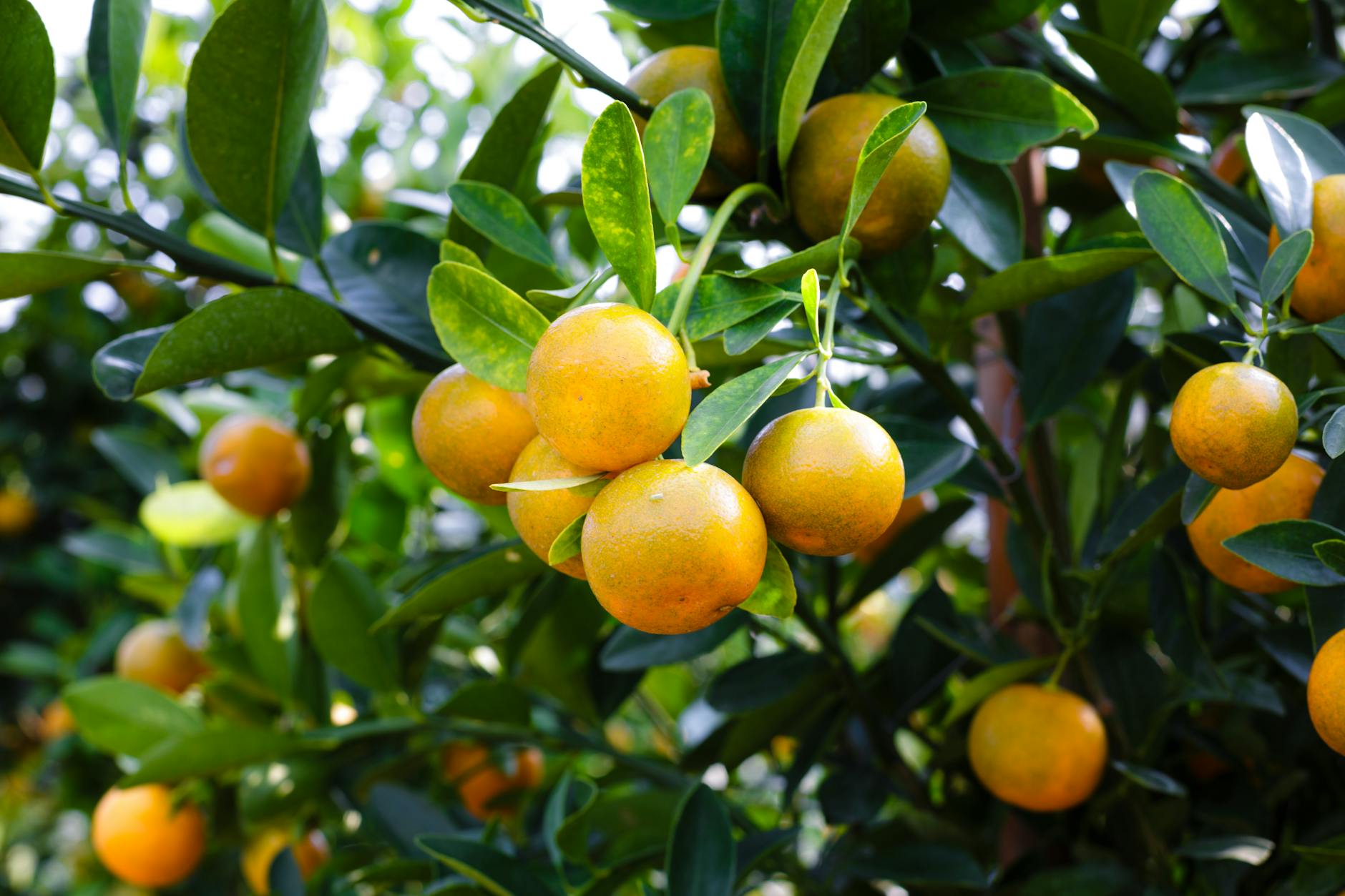
- Aesthetic Appeal: Edible plants like citrus trees and colorful vegetables add texture, color, and structure to your landscape.
In San Tan Valley, Queen Creek, and Florence, edible landscaping aligns with community efforts to promote water-wise, environmentally responsible gardening.
Key Plants for Edible Landscaping in Arizona
Selecting plants that thrive in Arizona’s arid conditions is essential. The University of Arizona Campus Arboretum and local experts recommend the following for Pinal County:
| Category | Plant Name | Edible Parts | Features |
|---|---|---|---|
| Fruits | Citrus (Oranges, Lemons, Grapefruits) | Fruit | Drought-tolerant, provides shade, vibrant fruit |
| Pomegranate | Pulp, seeds | Antioxidant-rich, thrives in alkaline soil | |
| Fig (Common Fig) | Fruit | Sweet, easy to grow, heat-tolerant | |
| Olive (European) | Olives | Suitable for warm areas, used for oil | |
| Vegetables | Lettuce, Kale, Cabbage | Leaves | Cool-season crops, ideal for fall planting |
| Tomatoes, Peppers, Cucumbers | Fruit | Warm-season crops, thrive in spring | |
| Berries | Blueberries, Blackberries | Fruit | Require care but viable in cooler microclimates, Blueberries are difficult in our soils. |
| Herbs | Basil, Chives, Cilantro, Mint | Leaves | Easy to grow, culinary uses; mint in containers |
| Lavender, Dill | Leaves, flowers | Aromatic, attracts pollinators | |
| Edible Flowers | Nasturtium, Marigold | Flowers, leaves | Peppery flavor, colorful addition to salads |
| Native Plants | Prickly Pear | Fruit (tunas), pads | Native, low-water, nutritious |
| Mesquite | Bean pods | Nutritious flour, drought-tolerant |
These plants are well-suited to Pinal County’s climate and are available at local nurseries like SummerWinds Nursery (Edible Landscaping Blog).
Design Tips for a Beautiful and Productive Garden
A well-designed edible landscape balances aesthetics and functionality. Consider these strategies:
- Mix Edibles with Ornamentals: Pair colorful vegetables like Swiss chard with flowers like marigolds for visual appeal.
- Vertical Gardening: Use trellises or arches for vines like grapes or raspberries to save space and add height.
- Edible Borders: Plant low-growing herbs (e.g., chives) or vegetables (e.g., lettuce) to define garden beds.
- Container Gardening: Grow herbs, strawberries, or dwarf citrus in pots for flexibility, ideal for small yards.
- Seasonal Rotation: Plan for year-round interest by rotating cool-season (fall) and warm-season (spring) crops.
Water Conservation Techniques
Water efficiency is critical in Arizona’s desert climate:
- Drip Irrigation: Delivers water directly to roots, reducing waste, as recommended by the University of Arizona Cooperative Extension.
- Mulching: Apply organic mulch (e.g., bark) or inorganic mulch (e.g., gravel) to retain moisture and suppress weeds.
- Drought-Tolerant Plants: Prioritize natives like prickly pear or mesquite, which thrive with minimal irrigation once established.
Soil Preparation and Maintenance
Healthy soil supports a thriving edible garden:
- Soil Testing: Arizona soils are often alkaline (pH 6.5-8.5). Test your soil’s pH and nutrients through the Pinal County Master Gardeners’ helpline (520-836-5221).
- Composting: Add compost to improve soil structure and fertility, enhancing water retention.
- Maintenance: Regularly check for pests and diseases, using organic methods like neem oil or insecticidal soap.
Seasonal Planting Guide for Arizona
Arizona’s climate supports two primary growing seasons, as noted by Evergreen Turf (Edible Landscaping):
- Fall (Cool Season, September-November): Plant lettuce, kale, cabbage, oregano, cilantro, and parsley. This is also ideal for establishing fruit trees and berry bushes.
- Spring (Warm Season, March-May): Grow tomatoes, peppers, cucumbers, melons, basil, and anise hyssop.
Pest and Disease Management
Protect your edible garden with natural methods:
- Beneficial Insects: Attract ladybugs and lacewings with flowers like nasturtiums to control aphids.
- Organic Sprays: Use neem oil or insecticidal soap for pest control, safe for edible plants.
- Crop Rotation: Rotate vegetables annually to prevent soil-borne diseases, a practice endorsed by Pinal County Master Gardeners.
Harvesting and Using Your Produce
- Harvest Timing: Pick citrus when fruits change color, tomatoes when fully ripe, and herbs as needed for freshness.
- Preservation: Can, dry, or freeze excess produce to enjoy year-round, extending the value of your garden.
Weed Control
At Franciscan Landscape, we use ethical and environmentally safe weed control methods to keep your edible garden thriving. We apply 10% vinegar to eliminate existing weeds and corn gluten meal-based pre-emergents to prevent new weed germination, ensuring safety for your family, pets, and the environment.
Local Resources and Support
Pinal County offers robust resources for edible landscaping:
- Pinal County Master Gardeners: Contact their Plant Helpline at (520-836-5221) for personalized advice. Visit their demonstration garden at the Maricopa Agricultural Center (37860 W. Smith-Enke Rd, Maricopa, AZ) to explore edible plants (Pinal County Master Gardeners).
- University of Arizona Cooperative Extension: Access guides on vegetable gardening and edible plants at (UA Cooperative Extension). The Campus Arboretum’s edible landscapes tour is a valuable resource (Edible Landscapes Tour).
- Workshops: Check the Master Gardeners’ calendar for classes, such as the Casa Grande Master Gardener Course starting February 13, 2025.
Conclusion
Edible landscaping in San Tan Valley, Queen Creek, and Florence offers a sustainable way to enjoy fresh produce while creating a stunning garden. By selecting drought-tolerant plants like citrus, pomegranates, and herbs, and using water-efficient techniques, you can design a landscape that’s both productive and beautiful. Tap into the expertise of the Pinal County Master Gardeners and the University of Arizona Cooperative Extension to start your edible garden today. Visit the Maricopa Agricultural Center or call the Plant Helpline to bring your vision to life!
 Franciscan Landscape