Introduction
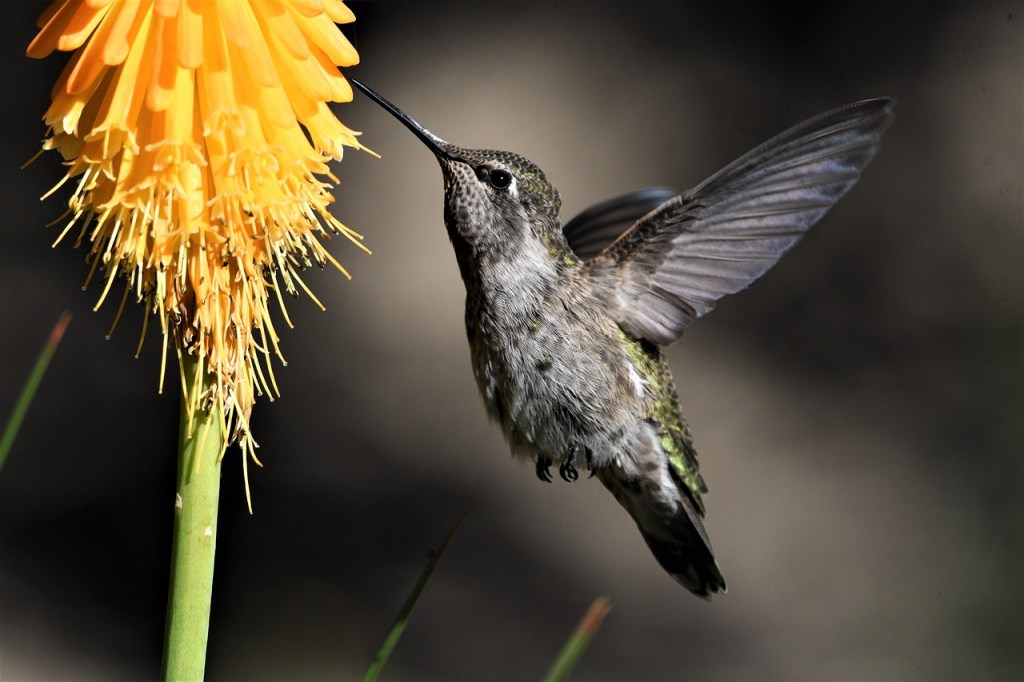
In the sun-soaked deserts of San Tan Valley, Queen Creek, and Florence, Arizona, a bee-friendly garden can transform your yard into a buzzing haven for pollinators like bees, butterflies, and hummingbirds. These vital creatures pollinate 75% of global crops, supporting food security and local ecosystems. By planting native, nectar-rich flowers and adopting sustainable practices, you can create a beautiful, water-wise garden that thrives in Pinal County’s arid climate. Guided by the University of Arizona Cooperative Extension and Pinal County Master Gardeners, this blog post shares practical tips to design and maintain a pollinator-friendly garden that enhances your landscape and supports biodiversity.
Why Support Pollinators in Pinal County?
Pollinators are the backbone of ecosystems and agriculture, especially in Arizona, where crops like melons, citrus, and vegetables rely on bees for pollination. In Pinal County’s USDA Hardiness Zones 9-10B, characterized by hot summers (100°F+), mild winters, and low rainfall (8-12 inches annually), pollinators face challenges like habitat loss and water scarcity. Creating a bee-friendly garden offers:
- Ecological Benefits: Pollinators boost biodiversity by supporting native plants and wildlife.
- Agricultural Support: Healthy pollinator populations ensure robust yields for local farms and home gardens.
- Aesthetic Appeal: Vibrant flowers attract colorful bees, butterflies, and hummingbirds, enhancing your yard’s beauty.
- Sustainability: Native plants reduce water use, aligning with Pinal County’s water conservation goals.
For residents of San Tan Valley, Queen Creek, and Florence, a pollinator garden is a meaningful way to contribute to environmental health while creating a stunning landscape.
Key Plants for a Bee-Friendly Garden
Choosing plants that thrive in Pinal County’s desert climate and provide nectar and pollen is essential. The University of Arizona Cooperative Extension and local experts recommend the following native and drought-tolerant species, ideal for attracting pollinators:CategoryPlant NameBloom SeasonPollinators AttractedFeaturesPerennials Desert Marigold (Baileya multiradiata) Spring-Fall Bees, Butterflies Yellow blooms, low-water, native Penstemon (Penstemon parryi) Spring Bees, Hummingbirds Pink/red tubular flowers, native Blackfoot Daisy (Melampodium leucanthum) Spring-Fall Bees, Butterflies White daisy-like flowers, drought-tolerant Shrubs Chuparosa (Justicia californica) Year-round Hummingbirds, Bees Red tubular flowers, native Texas Sage (Leucophyllum frutescens) Summer-Fall Bees Purple blooms after rain, low-maintenance Herbs Rosemary (Rosmarinus officinalis) Winter-Spring Bees Blue flowers, aromatic, culinary use Lavender (Lavandula spp.) Spring-Summer Bees, Butterflies Purple blooms, fragrant, drought-tolerant Vines Arizona Honeysuckle (Lonicera arizonica) Spring-Summer Hummingbirds, Bees Red tubular flowers, native Edible Flowers Nasturtium (Tropaeolum majus) Spring-Fall Bees, Butterflies Colorful, edible, peppery flavor
These plants, available at local nurseries like SummerWinds Nursery, are showcased in pollinator gardens at the Maricopa Agricultural Center, making them perfect for Pinal County’s climate.
Design Tips for a Pollinator-Friendly Garden
A well-designed bee-friendly garden maximizes pollinator attraction while conserving resources. Here are tips inspired by the Pinal County Master Gardeners:
- Plant in Clusters: Group 3-5 plants of the same species together to create visible targets for pollinators, ensuring efficient foraging.
- Diversify Bloom Times: Include plants with staggered blooming seasons (e.g., rosemary in winter, desert marigold in spring-fall) for year-round nectar and pollen.
- Incorporate Color and Shape: Bees prefer blue, purple, and yellow flowers; hummingbirds favor red tubular blooms like chuparosa.
- Provide Water Sources: Install a shallow birdbath with pebbles or a dripping faucet to offer drinking spots, especially in Arizona’s dry climate.
- Create Shelter: Leave patches of bare soil for ground-nesting bees and add small rock piles or bee hotels for nesting sites.
Water Conservation and Maintenance
Water efficiency is critical in Pinal County’s desert environment:
- Drip Irrigation: Use drip systems to deliver water directly to roots, as recommended by the University of Arizona Cooperative Extension. Water early morning to minimize evaporation.
- Mulching: Apply 2-3 inches of gravel or organic mulch (e.g., bark) to retain moisture and reduce weeds, keeping soil cool for pollinator-friendly plants.
- Minimal Pruning: Avoid over-pruning to preserve flowers and nesting sites, pruning only dead or damaged growth in late winter.
Avoiding Pesticides
Pesticides, even some labeled as organic, can harm pollinators. Instead, use natural pest control methods:
- Companion Planting: Pair marigolds or nasturtiums with other plants to repel pests like aphids.
- Beneficial Insects: Attract ladybugs and lacewings with dill or fennel to control pests naturally.
- Manual Removal: Hand-pick pests or use a strong water spray for small infestations.
Ethical Weed Control
At Franciscan Landscape, we use ethical and environmentally safe weed control to protect pollinators in your garden. We apply 10% vinegar to eliminate existing weeds and corn gluten meal-based pre-emergents to prevent new weed germination, ensuring a safe habitat for bees, butterflies, and your family.
Soil Preparation
Healthy soil supports pollinator-friendly plants:
- Soil Testing: Pinal County soils are often alkaline (pH 6.5-8.5). Test soil through the Pinal County Master Gardeners’ Plant Helpline (520-836-5221) to ensure a pH of 6.0-7.0 for optimal plant growth.
- Amending Soil: Add compost to improve drainage and nutrient availability, as advised by the University of Arizona Cooperative Extension.
Local Resources and Support
Pinal County offers robust resources for creating a bee-friendly garden:
- Pinal County Master Gardeners: Call the Plant Helpline at (520) 836-5221 for personalized advice on pollinator plants and garden design. Visit their demonstration garden at the Maricopa Agricultural Center (37860 W. Smith-Enke Rd, Maricopa, AZ) to see native plants like penstemon in action (Pinal County Master Gardeners).
- University of Arizona Cooperative Extension: Explore guides on native plants and pollinator conservation at UA Cooperative Extension Home Gardening. Their resources emphasize water-wise pollinator habitats.
- Workshops: Attend classes like the Casa Grande Master Gardener Course (starting February 13, 2025) for hands-on learning about pollinator gardening.
- Demonstration Gardens: While the Maricopa Agricultural Center is the closest, the Scottsdale Xeriscape Garden at Chaparral Park features pollinator-friendly plants applicable to Pinal County (Scottsdale Xeriscape Garden).
Conclusion
Creating a bee-friendly garden in San Tan Valley, Queen Creek, and Florence is a rewarding way to support pollinators while enhancing your landscape. By planting native, nectar-rich species like desert marigold, penstemon, and rosemary, and using water-efficient, pesticide-free practices, you can build a vibrant habitat that benefits bees, butterflies, and your community. With support from the Pinal County Master Gardeners and the University of Arizona Cooperative Extension, your pollinator garden can thrive in Arizona’s desert climate. Start today by visiting the Maricopa Agricultural Center, calling the Plant Helpline, or exploring Extension resources—your buzzing, beautiful garden awaits!
 Franciscan Landscape