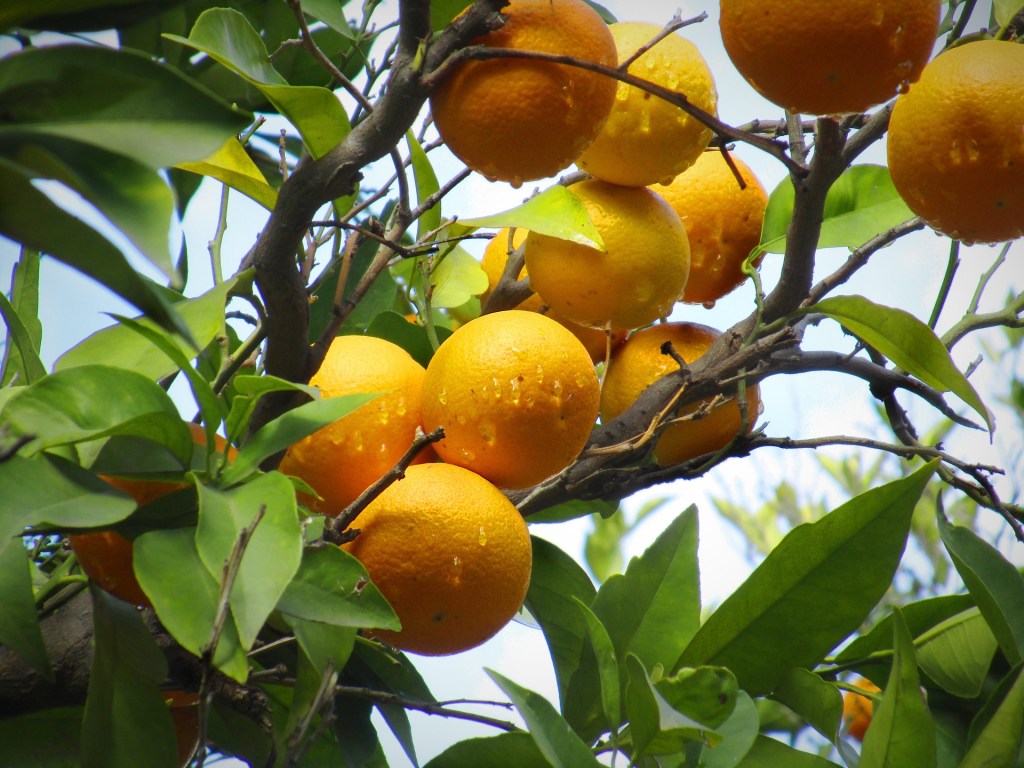
Arizona’s warm climate and abundant sunshine make it a citrus lover’s paradise. Oranges, lemons, and limes thrive here, offering homeowners the joy of fresh, homegrown fruit. However, the state’s extreme heat and occasional frost present unique challenges. With the right seasonal care, your citrus trees can flourish year-round. This guide provides practical, season-specific tips for growing healthy citrus trees in Arizona, tailored to regions like San Tan Valley, Queen Creek, and Florence in Pinal County.
Why Arizona is Perfect (and Challenging) for Citrus
Citrus trees adore Arizona’s heat and sunlight, but the desert climate demands careful attention. In Pinal County’s USDA Hardiness Zones 9-10B, summer temperatures often exceed 100°F, while winters can dip low enough for frost. Seasonal care is essential to protect your trees from these extremes, ensuring they produce bountiful, juicy fruit. Whether you’re a beginner or a seasoned gardener, understanding how to adapt to Arizona’s conditions is the key to success.
Seasonal Care Guide for Citrus Trees
Spring: Kickstart Growth
Spring is a critical season as citrus trees wake from dormancy and begin new growth.
- Watering: Increase watering as temperatures rise. Water deeply every 7-10 days, letting the soil dry slightly between sessions to encourage strong roots.
- Fertilizing: Apply a balanced citrus fertilizer (e.g., 10-10-10) in March to support new growth. Follow with a second application in May.
- Pruning: Prune lightly to shape the tree and remove dead or damaged branches. Avoid heavy pruning to prevent stressing the tree.
- Pest Control: Watch for aphids and spider mites. Use insecticidal soap or introduce beneficial insects like ladybugs for natural control.
Summer: Beat the Heat
Arizona’s intense summer heat can challenge citrus trees, but proper care keeps them thriving.
- Watering: Water deeply every 5-7 days, ideally in the early morning or late evening to reduce evaporation. Mulch around the base to retain moisture.
- Sun Protection: Paint trunks with white latex paint (diluted 1:1 with water) to prevent sunburn, especially on young trees.
- Fertilizing: Apply a final round of fertilizer in June to support fruit development.
- Pest Monitoring: Check for citrus leafminers and scale insects. Use horticultural oil for control, avoiding application during peak heat.
Fall: Prepare for Dormancy
As temperatures cool, citrus trees slow down and prepare for winter.
- Watering: Reduce watering to every 10-14 days as the tree’s needs decrease.
- Fertilizing: Skip fertilization after September to avoid triggering new growth that could be damaged by frost.
- Pest and Disease Control: Inspect for sooty mold or citrus greening. Prune affected areas and use organic fungicides if necessary.
- Fruit Care: Thin excess fruit to improve size and quality. Harvest early varieties like mandarins as they ripen.
Winter: Protect from Frost
Arizona winters are generally mild, but frost can still pose a threat, especially in low-lying areas.
- Watering: Water every 14-21 days, ensuring the soil doesn’t stay waterlogged.
- Frost Protection: Cover trees with frost cloth or blankets on nights below 32°F. Add warmth with outdoor lights or water barrels placed nearby.
- Pruning: Avoid pruning in winter to prevent encouraging new growth vulnerable to cold.
- Pest Control: Monitor for overwintering pests like scale. Apply dormant oil sprays to smother them.
Essential Tips for Citrus Success
- Watering Schedule: Deep, infrequent watering promotes deep roots. Consider drip irrigation for efficiency in Arizona’s dry climate.
- Fertilizer Ratios: Use a citrus-specific fertilizer with a 2:1:1 ratio (e.g., 10-5-5) for balanced nutrition.
- Pest Management: Regularly inspect leaves and fruit. Organic solutions like neem oil work well for common pests like aphids or mites.
- Soil Health: Arizona soils tend to be alkaline. Add compost annually and aim for a pH of 6.0-7.0. Test your soil with help from local resources.
Local Resources for Citrus Growers
Pinal County offers fantastic support for citrus enthusiasts:
- Pinal County Master Gardeners: Call (520) 836-5221 for personalized advice or visit their demonstration garden at the Maricopa Agricultural Center (37860 W. Smith-Enke Rd, Maricopa, AZ).
- University of Arizona Cooperative Extension: Access citrus care guides at UA Cooperative Extension Citrus.
- Workshops: Attend events like the East Valley Citrus Clinic (January 25, 2025) for hands-on learning opportunities.
Conclusion
Growing oranges, lemons, and limes in Arizona’s desert climate is both achievable and rewarding with proper seasonal care. From nurturing spring growth to shielding trees from winter frost, each season offers unique opportunities to ensure your citrus thrives. Armed with these tips and local resources like the University of Arizona Cooperative Extension and Pinal County Master Gardeners, you’re ready to cultivate healthy, productive trees. Start your citrus journey today—there’s nothing sweeter than the taste of homegrown fruit!
 Franciscan Landscape