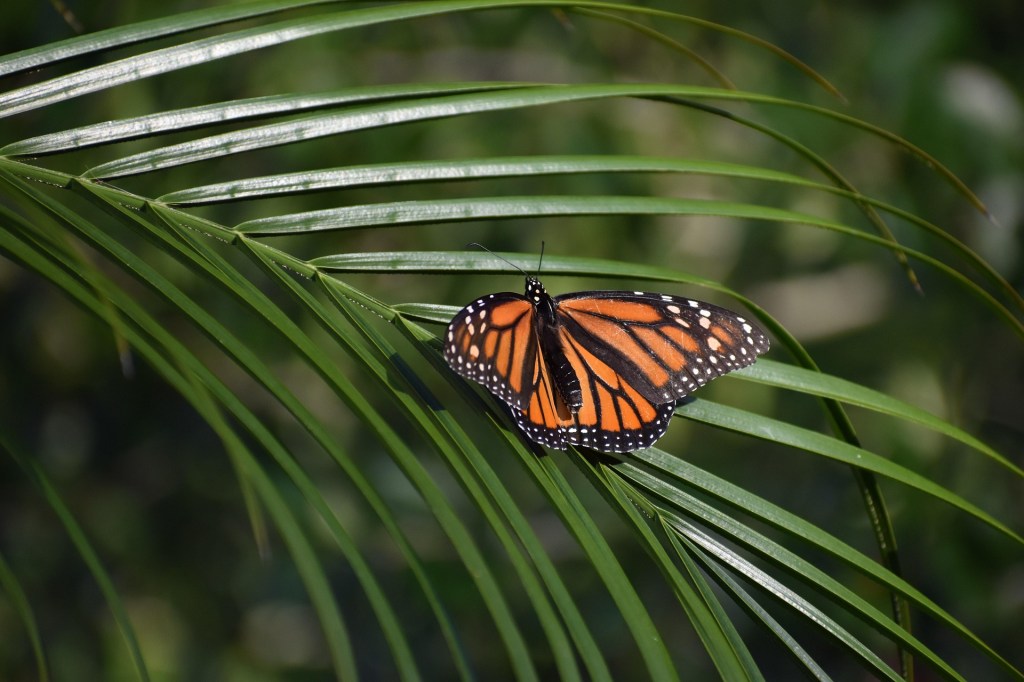
Creating a backyard pond is a rewarding project that not only enhances the beauty of your outdoor space but also attracts a variety of wildlife, from birds and fish to beneficial insects and amphibians. With careful planning and execution, you can build a thriving ecosystem right in your backyard. In this step-by-step guide, we’ll walk you through the process of designing, constructing, and maintaining a pond that serves as a haven for wildlife.
Step 1: Plan Your Pond
Before you start digging, thorough planning is essential to ensure your pond meets your goals and supports wildlife effectively.
Determine the Size
- Considerations: A larger pond is more stable and easier to maintain, but it’s also more expensive and requires more space. Aim for a balance based on your budget and yard size.
- Wildlife Needs: Include a deep area (at least 2–3 feet) for fish to overwinter and hide from predators, and a shallow area (6–12 inches) for birds to bathe and wade.
Choose the Location
- Sunlight: Select a spot that gets partial sunlight (4–6 hours daily) to encourage plant growth without promoting excessive algae.
- Avoid Trees: Position the pond away from trees to prevent leaf debris from clogging it and roots from damaging the liner.
- Accessibility: Ensure you can easily reach the pond for maintenance and enjoyment.
Check Local Regulations
- Research any permits or restrictions in your area, especially if the pond exceeds a certain size or depth, to avoid legal issues.
Step 2: Design the Pond for Wildlife
A wildlife-friendly pond requires specific features to attract and sustain diverse species.
Vary the Depth
- Shallow Edges: Create gradual slopes or shelves for birds, frogs, and insects to access the water.
- Deep Zones: Include a deeper section for fish and aquatic plants that need more water.
Add Natural Elements
- Plants: Incorporate native aquatic plants like water lilies (for shade and shelter), cattails (for nesting), and submerged plants (for oxygen). Native species support local wildlife best.
- Rocks and Logs: Place rocks along the edges and logs in the water to provide perches, hiding spots, and basking areas.
Ensure Safety
- Avoid sharp edges or toxic materials. Use a durable, non-toxic pond liner (e.g., EPDM rubber) to hold water safely.
Step 3: Gather Materials and Tools
Here’s what you’ll need to bring your pond to life:
- Pond Liner: Durable and flexible to fit your design.
- Underlayment: Protects the liner from rocks and roots.
- Pump and Filter: Keeps water clean and oxygenated (solar-powered options save energy).
- Rocks and Gravel: For edging and natural aesthetics.
- Plants: Native aquatic varieties for wildlife.
- Tools: Shovel, level, measuring tape, and hose (for outlining).
Step 4: Build the Pond
Now it’s time to get your hands dirty and construct your backyard oasis.
Mark the Shape
- Use a hose or rope to outline the pond’s shape. Organic, irregular shapes blend naturally into the landscape.
Dig the Hole
- Depth Zones: Dig out the shallow shelves first, then the deeper center. Slope the sides gently for wildlife access.
- Leveling: Check that shelves are level to prevent water from spilling over unevenly.
Install the Liner
- Place the underlayment first, then lay the pond liner over it, smoothing out wrinkles. Secure the edges with rocks temporarily.
Add Water
- Fill the pond slowly with a hose, adjusting the liner as it fills to ensure a snug fit.
Edge the Pond
- Use rocks, gravel, or plants to create a natural edge that hides the liner and blends with your yard.
Step 5: Enhance with Features
Optional additions can boost both aesthetics and functionality:
- Waterfall or Fountain: Adds beauty and oxygenates the water.
- Pond Skimmer: Reduces debris and eases maintenance.
- Lighting: Solar-powered lights highlight the pond at night and deter predators.
Step 6: Stock the Pond
Introduce plants and animals to create a balanced ecosystem:
- Plants: Plant native species in pots or directly in gravel along shelves. Floating plants like duckweed provide shade and reduce algae.
- Fish: Add native fish (e.g., minnows or goldfish, depending on your region) that thrive in your climate. Avoid overstocking—1 inch of fish per square foot of surface area is a good rule.
- Wildlife Attractors: Place birdhouses, bat boxes, or feeders nearby to draw in more creatures.
Step 7: Maintain Your Pond
Regular care keeps your pond healthy and inviting for wildlife:
- Water Quality: Test pH and clarity monthly. Use a pump and filter to keep water moving and clean.
- Debris Removal: Skim leaves and prune plants as needed to prevent decay.
- Algae Control: Add beneficial bacteria or a UV clarifier if algae becomes a problem.
- Winter Prep: Install a de-icer or heater in cold climates to prevent freezing and ensure oxygen for fish.
Step 8: Enjoy Your Wildlife Haven
Make your pond a place of relaxation and connection with nature:
- Seating Area: Add a bench or chairs nearby to watch visiting wildlife.
- Year-Round Appeal: Plant seasonal species and use lighting to enjoy the pond in all seasons.
Final Tips for Success
- Start Small: If you’re new to ponds, begin with a modest size and expand later.
- Be Patient: It takes time for wildlife to discover and settle into your pond—give it a season or two.
- Blend with Landscape: Use natural materials and thoughtful design to make the pond a focal point of your yard.
By following these steps, you’ll create a backyard pond that not only enhances your outdoor space but also supports a thriving ecosystem. Whether it’s the splash of a frog, the flutter of bird wings, or the ripple of fish, your pond will bring nature closer to home. Happy building!
 Franciscan Landscape