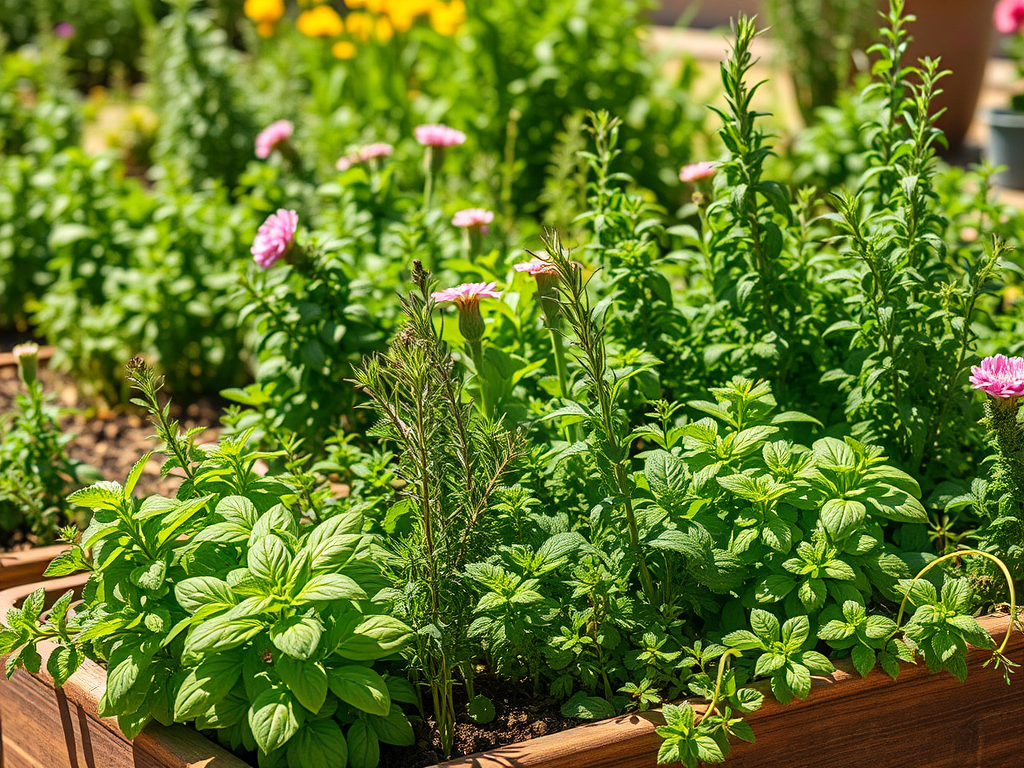
Herb gardening brings the joy of fresh, aromatic ingredients to your kitchen while adding beauty and fragrance to your outdoor space. In the low desert of Arizona, including San Tan Valley, Queen Creek, and Florence, growing herbs is both practical and rewarding, thanks to the region’s sunny climate and the resilience of many drought-tolerant herbs. Whether you have a spacious yard or a small patio, herbs can thrive in your landscape or containers, providing culinary delights year-round. This guide, informed by the expertise of the University of Arizona Cooperative Extension and Pinal County Master Gardeners, offers practical tips for growing and using herbs tailored to Arizona’s arid conditions.
Why Grow Herbs in Arizona?
Herbs are an excellent choice for Arizona’s low desert (USDA Hardiness Zones 9-10B), where hot summers, mild winters, and low rainfall (8-12 inches annually) demand water-efficient plants. Benefits include:
- Culinary Versatility: Fresh herbs like basil, rosemary, and cilantro elevate home-cooked meals with vibrant flavors.
- Water Efficiency: Many herbs, such as oregano and thyme, are drought-tolerant, aligning with sustainable gardening practices.
- Aesthetic Appeal: Herbs add texture, color, and fragrance to landscapes or container gardens.
- Ease of Growth: Herbs are low-maintenance, making them ideal for beginners and busy gardeners in San Tan Valley, Queen Creek, and Florence.
Choosing the Right Herbs
Selecting herbs suited to Arizona’s climate ensures success. The University of Arizona Cooperative Extension and local nurseries like SummerWinds recommend the following, categorized by growth habits:
| Category | Herb | Culinary Use | Features |
|---|---|---|---|
| Cool-Season Annuals | Cilantro | Salsas, Mexican/Asian dishes | Fast-growing, bolts in heat |
| Parsley | Garnishes, soups, salads | Biennial often grown as annual | |
| Dill | Pickles, fish, salads | Attracts beneficial insects | |
| Warm-Season Annuals | Basil | Pesto, Italian dishes | Loves heat, needs regular pinching |
| Perennials | Rosemary | Roasted meats, vegetables | Drought-tolerant, bushy growth |
| Oregano | Mediterranean dishes | Low-growing, spreads easily | |
| Thyme | Soups, stews, meats | Compact, hardy in heat | |
| Sage | Stuffing, poultry | Silvery foliage, long-lived | |
| Mint | Teas, desserts, mojitos | Invasive, grow in containers |
These herbs thrive in Pinal County’s climate and are available at local nurseries or through the Maricopa Agricultural Center’s demonstration garden.
When to Plant
Arizona’s short growing seasons require precise timing:
- Fall (September-November): Plant cool-season annuals like cilantro, parsley, and dill to establish before winter.
- Spring (February-April): Sow warm-season annuals like basil and perennials like rosemary, oregano, and thyme to grow before summer heat peaks. The Arizona Herb Planting Guide by Growing In The Garden (Herb Planting Guide) provides detailed planting dates for over 30 herbs, ensuring optimal growth in San Tan Valley, Queen Creek, and Florence.
Growing Methods
Herbs can be grown in-ground or in containers, offering flexibility for various spaces:
- In-Ground Gardening:
- Location: Choose a site with morning sun (4-6 hours daily) and afternoon shade to protect from Arizona’s intense heat, as advised by A&P Nursery (Starting Herb Garden).
- Soil Preparation: Arizona soils are often alkaline (pH 6.5-8.5). Add compost to improve drainage and fertility, ensuring loose, well-drained soil.
- Spacing: Allow adequate space for mature growth (e.g., 1 foot for parsley, 3-4 feet for rosemary) to promote air circulation.
- Container Gardening:
- Containers: Use pots with drainage holes, at least 6-8 inches deep for most herbs, as recommended by AZ Plant Lady (Container Herb Garden).
- Placement: Position containers in areas with morning sun and afternoon shade, moving them seasonally to adjust for light changes.
- Soil Mix: Combine potting soil with perlite or pumice (3:1 ratio) for optimal drainage, per Phoenix Home & Garden (Culinary Herbs).
Care and Maintenance
Proper care keeps your herbs healthy and flavorful:
- Watering:
- Water deeply but infrequently, allowing soil to dry between waterings to prevent root rot. Use drip irrigation for efficiency, a practice endorsed by the University of Arizona Cooperative Extension.
- Perennials like rosemary need less water once established; annuals like basil require consistent moisture.
- Fertilizing:
- Apply a balanced, organic fertilizer (e.g., fish emulsion) sparingly every 4-6 weeks. Over-fertilizing reduces essential oils, diminishing flavor, as noted by Phoenix Home & Garden.
- Pruning:
- Pinch back leafy herbs like basil regularly to encourage bushy growth and delay flowering, which can make leaves bitter.
- Trim perennials like rosemary and thyme to maintain shape and promote new growth.
- Pest Management:
- Common pests include aphids and whiteflies. Use natural controls like ladybugs or neem oil sprays, aligning with sustainable practices from Pinal County Master Gardeners.
- At Franciscan Landscape, we use ethical weed control methods, applying 10% vinegar to kill existing weeds and corn gluten meal to prevent germination, ensuring safety for your herbs, family, and pets.
Harvesting and Using Herbs
- Harvesting:
- Harvest in the morning when essential oils are most concentrated for peak flavor.
- For leafy herbs, pinch off leaves from the top to encourage more growth. For perennials, cut stems sparingly to avoid stressing the plant.
- Harvest before flowering for annuals like basil to maintain flavor.
- Culinary Uses:
- Basil: Blend into pesto, toss in salads, or pair with tomatoes.
- Rosemary: Roast with meats, potatoes, or infuse in olive oil.
- Cilantro: Add to salsas, guacamole, or Asian stir-fries.
- Mint: Use in teas, desserts, or cocktails like mojitos.
- Oregano and Thyme: Season Mediterranean dishes, soups, and stews.
- Preservation:
- Dry herbs like rosemary and thyme by hanging in a cool, dark place.
- Freeze basil or cilantro in olive oil cubes for year-round use.
Local Resources
Pinal County gardeners have access to valuable support:
- Pinal County Master Gardeners:
- Contact the Plant Helpline (520-836-5221) for personalized advice on herb gardening.
- Visit the demonstration garden at the Maricopa Agricultural Center (37860 W. Smith-Enke Rd, Maricopa, AZ) to see herbs in action (Pinal County Master Gardeners).
- Attend workshops, such as the Casa Grande Master Gardener Course starting February 13, 2025.
- University of Arizona Cooperative Extension:
- Explore gardening resources, including the Arizona Master Gardener Manual, at Home Gardening.
- Access publications on sustainable gardening practices.
- Arizona Herb Association:
- Offers herb-focused resources and events, including maintenance of an herb garden at the Maricopa County Cooperative Extension on the first Saturday of each month (Reddit Post).
Conclusion
Herb gardening in San Tan Valley, Queen Creek, and Florence is a practical and enjoyable way to grow fresh ingredients for your kitchen. By selecting drought-tolerant herbs like rosemary, basil, and cilantro, planting at the right times, and using water-efficient techniques, you can create a thriving garden that enhances your culinary creations and landscape. Leverage the expertise of the Pinal County Master Gardeners and University of Arizona Cooperative Extension to start your herb garden today. Visit the Maricopa Agricultural Center or call the Plant Helpline to bring fresh herbs to your table!
 Franciscan Landscape