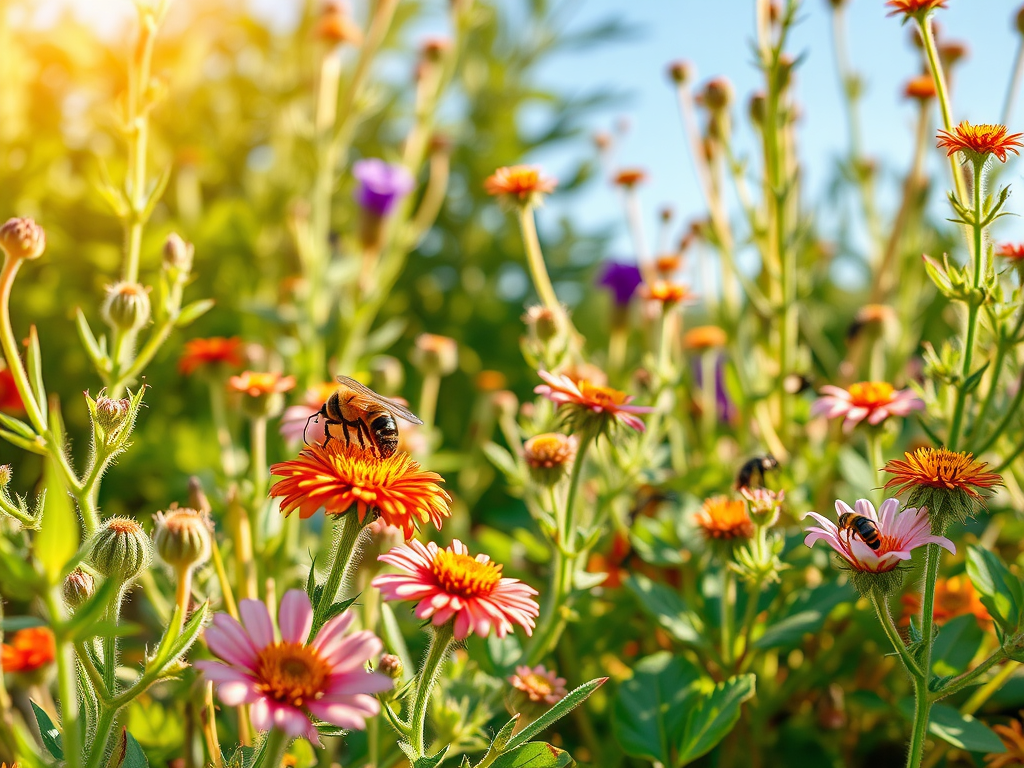
Gardening in the low desert of Arizona, including San Tan Valley, Queen Creek, and Florence, presents unique challenges due to the region’s hot, arid climate (USDA Hardiness Zones 9-10B, 8-12 inches annual rainfall). Pests like aphids, whiteflies, and caterpillars can wreak havoc on your plants, but synthetic pesticides can harm beneficial insects, soil health, and the environment. Natural pest control methods offer eco-friendly solutions to manage these pests while maintaining a sustainable garden. This guide, informed by the University of Arizona Cooperative Extension and Pinal County Master Gardeners, explores effective, environmentally safe techniques to keep your garden thriving in Pinal County’s desert conditions.
Why Choose Natural Pest Control?
Natural pest control prioritizes the health of your garden ecosystem, your family, and the environment. Benefits include:
- Protecting Beneficial Insects: Preserves pollinators like bees and predators like ladybugs, crucial for garden health.
- Environmental Safety: Avoids chemical runoff that can contaminate soil and water.
- Human and Pet Health: Reduces exposure to toxic substances, ensuring safety for children and animals.
- Sustainability: Promotes long-term garden health by addressing pest issues holistically, aligning with Arizona’s water-conscious ethos.
By adopting these methods, you create a balanced ecosystem that naturally keeps pests in check while supporting biodiversity in San Tan Valley, Queen Creek, and Florence.
Common Garden Pests in Pinal County
Understanding the pests common to Arizona’s low desert is the first step in effective management. Key pests include:
- Aphids: Small, soft-bodied insects that suck plant sap, causing curled leaves and stunted growth. Common on vegetables and ornamentals.
- Whiteflies: Tiny, white insects that feed on plant sap, weakening plants and potentially spreading diseases. Prevalent in warm weather.
- Leaf Miners: Larvae of moths, flies, or beetles that tunnel through leaves, reducing photosynthesis. Often affect Kangaroo Paw and other ornamentals.
- Caterpillars: Including Genista Broom moth caterpillars, which defoliate plants like Texas Mountain Laurel.
- Javelinas and Rodents: Larger animals that damage plants and disturb soil, leaving tracks and scat.
These pests thrive in Pinal County’s warm climate, making proactive, natural control essential.
Eco-Friendly Pest Control Methods
The following methods, drawn from sources like SummerWinds Nursery and the University of Arizona Cooperative Extension, offer effective, environmentally safe solutions for managing garden pests:
1. Encourage Beneficial Insects
Beneficial insects are nature’s pest controllers, preying on harmful pests to maintain balance. Key species for Arizona gardens include:
- Ladybugs: Consume aphids and other soft-bodied pests.
- Lacewings: Known as “aphid lions,” their larvae feed voraciously on aphids and whiteflies.
- Praying Mantises: Fast eaters that control a wide range of pests, including caterpillars.
How to Attract Them:
- Plant nectar-rich flowers like marigolds, cosmos, dill, and yarrow to provide food and habitat.
- Avoid broad-spectrum insecticides that harm beneficial insects.
- Purchase beneficial insects from local nurseries like SummerWinds or online suppliers, ensuring they’re suited to Arizona’s climate ([Great Insects for Your Garden]([invalid url, do not cite])).
Water Sources: Place shallow water dishes with rocks near flowering plants to provide drinking spots, as beneficial insects need hydration in Arizona’s dry climate ([Beneficial Insects for Arizona Gardening]([invalid url, do not cite])).
2. Use Physical Controls
Physical barriers and manual removal prevent pests from reaching plants:
- Handpicking: Remove larger pests like caterpillars by hand and drop them into soapy water. Effective for small infestations.
- Yellow Sticky Traps: Monitor and trap flying pests like whiteflies. Place near affected plants, checking weekly ([A Guide to Garden Pests]([invalid url, do not cite])).
- Row Covers: Use lightweight, breathable fabric to cover plants, allowing sunlight and water while blocking pests. Ideal for vegetables like lettuce and broccoli.
- Barriers: Install fencing or netting to deter javelinas and rodents, ensuring it’s at least 3 feet high to prevent climbing ([10 Tips to Defend Your Garden]([invalid url, do not cite])).
3. Apply Organic Pesticides
Organic pesticides are derived from natural sources and are safer for the environment:
- Insecticidal Soap: Targets soft-bodied pests like aphids and whiteflies by disrupting their cell membranes. Apply early morning or late evening to avoid leaf burn.
- Neem Oil: Acts as an insecticide and fungicide, disrupting pest life cycles. Effective against caterpillars and leaf miners. Dilute and spray thoroughly, covering leaf undersides.
- Horticultural Oils: Smother pests and their eggs, particularly effective during dormant stages. Use lightweight oils in Arizona’s heat to avoid plant stress ([Protect Plants from Unwanted Insects]([invalid url, do not cite])).
Application Tip: Test sprays on a small plant area first and apply during cooler parts of the day to prevent damage in Pinal County’s intense heat.
4. Practice Companion Planting
Companion planting uses plants to deter pests or attract beneficial insects:
- Basil: Planted near tomatoes, repels aphids and whiteflies while enhancing flavor.
- Marigolds: Release a scent that deters nematodes and other soil-borne pests. Plant near vegetables or ornamentals.
- Nasturtiums: Act as trap plants, luring aphids away from crops, and attract beneficial insects like ladybugs ([Natural Ways to Control Pests]([invalid url, do not cite])).
- Garlic and Onions: Repel pests with their strong odor, effective near roses or vegetables.
5. Maintain Garden Hygiene
A clean garden reduces pest habitats:
- Remove Debris: Clear dead leaves, fallen fruit, and plant residue, which can harbor pests like leaf miners and caterpillars.
- Crop Rotation: Rotate vegetable crops annually to prevent soil-borne pest buildup, a practice endorsed by the Cooperative Extension.
- Pruning: Remove infested or diseased plant parts promptly to stop pest spread. Destroy affected material rather than composting ([A Guide to Garden Pests]([invalid url, do not cite])).
6. Manage Water Wisely
Overwatering creates conditions favorable for pests like snails and mosquitoes:
- Drip Irrigation: Delivers water directly to roots, reducing excess moisture. Adjust to provide 1-2 inches weekly, depending on plant needs.
- Avoid Standing Water: Ensure proper drainage and remove water-collecting items to deter pests ([Natural Ways to Control Pests]([invalid url, do not cite])).
7. Use Mulch
Mulching suppresses weeds and reduces pest habitats:
- Organic Mulch: Apply 2-3 inches of straw, bark, or compost around plants to deter pests and retain soil moisture.
- Inorganic Mulch: Use gravel or stones for a desert aesthetic, effective in Pinal County’s arid climate.
Weed Control: At Franciscan Landscape, we use eco-friendly methods, applying 10% vinegar to kill existing weeds and corn gluten meal to prevent germination, ensuring safety for plants, families, and pets.
8. Set Up Traps
Traps target specific pests without chemicals:
- Pheromone Traps: Attract male insects, reducing mating and pest populations. Effective for moths and beetles.
- Beer Traps: Place shallow containers of beer to lure and drown slugs and snails, common in irrigated gardens ([10 Tips to Defend Your Garden]([invalid url, do not cite])).
Tailoring Pest Control to Arizona’s Low Desert
In Pinal County’s hot, dry climate, pest control must be water-efficient and heat-tolerant:
- Heat-Tolerant Plants: Choose native or drought-tolerant plants like desert marigold or mesquite, which are naturally pest-resistant.
- Shade and Mulch: Provide partial shade with shade cloth or trees and use mulch to reduce plant stress, making them less susceptible to pests.
- Timing: Apply organic sprays early morning or late evening to avoid heat damage, as Arizona’s summer temperatures can exacerbate chemical stress.
Local Resources and Support
Pinal County gardeners can access expert resources:
- Pinal County Master Gardeners: Contact the Plant Helpline (520-836-5221) for personalized pest control advice. Visit the demonstration garden at the Maricopa Agricultural Center (37860 W. Smith-Enke Rd, Maricopa, AZ) to see natural pest management in action ([Pinal County Master Gardeners]([invalid url, do not cite])). Attend workshops like the Casa Grande Master Gardener Course starting February 13, 2025.
- University of Arizona Cooperative Extension: Explore pest management guides at [Home Gardening]([invalid url, do not cite]) or the Arizona Pest Management Center ([Arizona Pest Management Center]([invalid url, do not cite])). The “Natural Pest Control in the Garden” document offers additional insights.
- Local Nurseries: Visit SummerWinds Nursery for organic pest control products, beneficial insects, and companion plants suited to Pinal County.
Final Thoughts on Pest Control
Natural pest control methods offer a sustainable way to manage pests in your San Tan Valley, Queen Creek, or Florence garden, protecting plants while preserving the environment. By encouraging beneficial insects, using organic sprays, practicing companion planting, and maintaining garden hygiene, you can create a thriving, eco-friendly garden. With support from the Pinal County Master Gardeners and University of Arizona Cooperative Extension, start implementing these methods today. Visit the Maricopa Agricultural Center or call the Plant Helpline to keep your garden pest-free and flourishing!
 Franciscan Landscape