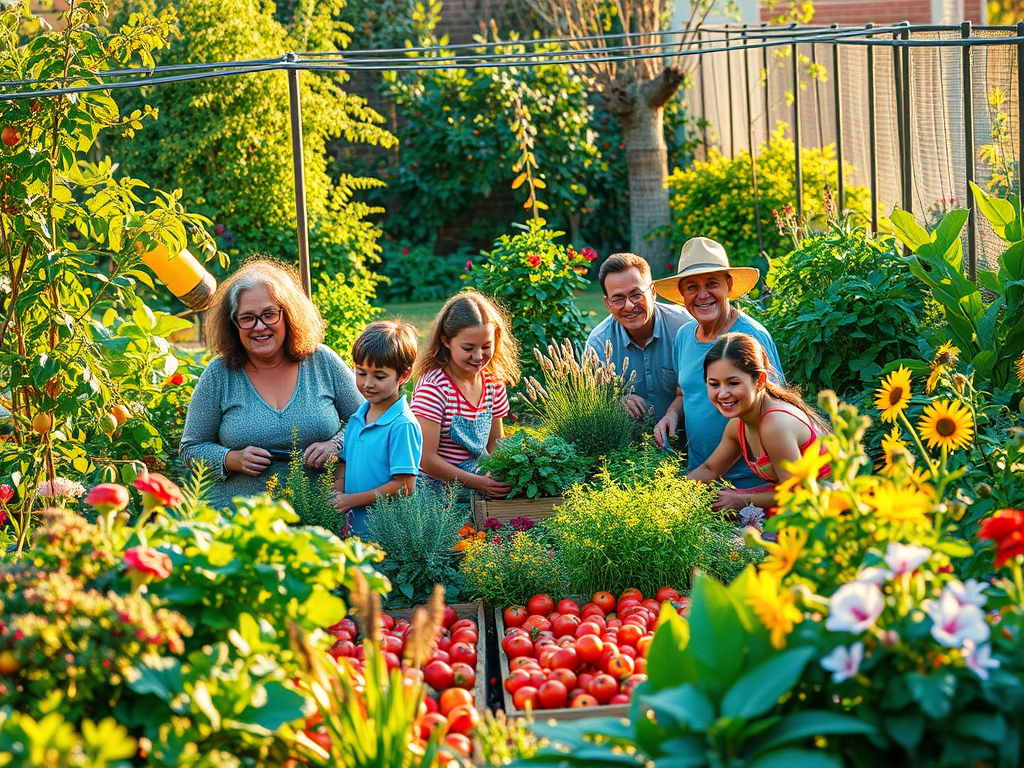
In the arid low desert of Arizona, including San Tan Valley, Queen Creek, and Florence, community gardens offer a vibrant way to grow fresh produce, build neighborly connections, and promote sustainable living. With Pinal County’s hot climate (USDA Hardiness Zones 9-10B, 8-12 inches annual rainfall), these gardens transform vacant lots into green spaces using water-efficient practices. Whether you’re looking to join an existing garden or start a new one, community gardening fosters health, community spirit, and environmental stewardship. This guide, informed by the University of Arizona Cooperative Extension and Pinal County Master Gardeners, explores the benefits of community gardens and provides practical steps to get involved or launch one in your neighborhood.
Why Community Gardening?
Community gardens are shared spaces where neighbors collectively grow fruits, vegetables, herbs, or flowers, benefiting both individuals and the broader community. In Pinal County, they address unique challenges like water scarcity and urban sprawl while offering numerous advantages, as supported by the American Community Gardening Association and local experts (ACGA).
Benefits
- Health and Nutrition: Community gardeners consume 1.4 more servings of fruits and vegetables daily, improving nutrition and reducing food insecurity, especially in low-income areas (Journal of Nutrition Education and Behavior). Gardening provides physical activity equivalent to a workout, burning calories and promoting fitness.
- Mental Well-Being: Gardening reduces stress, anxiety, and feelings of isolation, fostering a sense of accomplishment and community connection, as noted in studies from the National Gardening Association (eatright.org).
- Social Cohesion: Gardens bring together diverse groups, strengthening neighborhood bonds and encouraging collaboration, as highlighted by the Pennsylvania Horticultural Society (phsonline.org).
- Environmental Impact: Gardens enhance biodiversity, support pollinators with native plants, and reduce urban heat through permeable surfaces. Composting and water-wise practices align with Arizona’s sustainability goals (PMC Study).
- Community Revitalization: Transforming vacant lots into productive spaces reduces crime, improves aesthetics, and boosts property values, as seen in studies from New York University (NYU Study).
Joining a Community Garden
Joining a community garden in Pinal County is a great way to start gardening, learn from others, and connect with neighbors. Here’s how to get involved:
- Find a Garden:
- Use the American Community Gardening Association’s interactive map (communitygarden.org/find-a-garden) to locate gardens near San Tan Valley, Queen Creek, or Florence.
- Check with local municipalities, libraries, or the Pinal County Master Gardeners (520-836-5221) for garden listings.
- Visit gardens during open hours (often evenings or weekends) to meet members and learn about their mission, whether focused on food, flowers, or education.
- Understand the Process:
- Contact the garden organizer to inquire about membership, rules, and expectations. Some gardens, like those supported by GreenThumb in NYC, require an application and may have waitlists of 3-24 months (Brooklyn Botanic Garden).
- Expect to contribute to communal tasks, such as maintaining shared spaces or participating in events, and possibly pay a small membership fee ($10-$50 annually) for maintenance costs.
- Know Your Goals:
- Decide if you want a personal plot for growing food, to learn gardening skills, or to engage in community events. This helps you find a garden that aligns with your interests, as some prioritize food donation while others focus on ornamental plants (seewhatgrows.org).
- Get Involved:
- Attend orientation sessions or community meetings to learn garden rules, such as organic-only practices or plot maintenance requirements.
- Volunteer for tasks like weeding, composting, or organizing harvest events to build connections and contribute to the garden’s success.
Arizona Tip: Look for gardens emphasizing drought-tolerant plants like desert marigold or mesquite, which thrive in Pinal County’s arid climate. Contact the Pinal County Master Gardeners for local recommendations.
Starting a Community Garden
If no gardens exist nearby, starting one is a rewarding endeavor. Here’s a step-by-step guide, adapted from the University of Arizona Cooperative Extension, Alabama Cooperative Extension System, and other sources (aces.edu):
- Form a Planning Committee:
- Gather 3-5 enthusiastic neighbors or community members to share responsibilities. Include diverse skills (e.g., gardening, carpentry, fundraising) to ensure success.
- Hold an initial meeting to discuss the garden’s mission (e.g., food production, education, or community events) and assign roles like president, secretary, and treasurer (NC State Extension).
- Find a Suitable Site:
- Identify vacant lots, park spaces, or private land with at least 6 hours of sunlight daily and access to water. Contact the Pinal County Assessor’s Office to determine land ownership.
- Secure permission or a lease (ideally 3+ years) from the landowner, ensuring compliance with zoning laws. Check water availability through your local water provider (UMN CCAPS).
- Plan the Garden:
- Decide on garden type: individual plots (100-500 square feet each) or a cooperative garden where produce is shared. Plan for accessibility, tool storage, and communal areas.
- Budget for startup costs ($3,750-$7,500), including water meters, fencing, soil, and liability insurance. Explore grants from the USDA People’s Garden or local businesses like SummerWinds Nursery (eatright.org).
- Secure Resources:
- Fundraise through community events, crowdfunding, or sponsorships from local nurseries or businesses. Seek donations of seeds, compost, or tools.
- Test soil for contaminants, especially on former industrial sites, through the University of Arizona Cooperative Extension’s Soil Testing Lab (extension.arizona.edu).
- Establish Rules and Infrastructure:
- Set clear rules for plot maintenance, organic practices, and communal responsibilities. Ensure eco-friendly pest control, like neem oil, to protect pollinators.
- Install drip irrigation for water efficiency, critical in Arizona’s arid climate, and use mulch to reduce evaporation (Drip Irrigation Guide).
- Build Community Engagement:
- Host kickoff events, plant swaps, or harvest dinners to attract members and sponsors. Share surplus produce with local food pantries to support food security.
- Use social media or newsletters to keep members informed and engaged (cleanupuk.org.uk).
Arizona Tip: Prioritize drought-tolerant plants like prickly pear or desert willow, and use drip irrigation to conserve water. Franciscan Landscape employs eco-friendly weed control with 10% vinegar for existing weeds and corn gluten meal for prevention, ensuring safety for gardeners and the environment.
Local Resources
Pinal County offers robust support for community gardening:
- Pinal County Master Gardeners: Contact the Plant Helpline (520-836-5221) or visit the Maricopa Agricultural Center’s demonstration garden (37860 W. Smith-Enke Rd, Maricopa, AZ) for guidance on starting or joining a garden. Workshops, like the Casa Grande Master Gardener Course (February 13, 2025), provide hands-on learning (Pinal County Master Gardeners).
- University of Arizona Cooperative Extension: Access gardening resources, including soil testing and irrigation guides, at extension.arizona.edu.
- Local Nurseries: SummerWinds Nursery offers seeds, compost, and drip irrigation kits suited to Pinal County’s climate (SummerWinds Nursery).
- Community Organizations: Contact local libraries, churches, or schools for potential garden sites or partnerships. The Pinal County Birding Trail can inspire wildlife-friendly garden designs (Pinal County Birding Trail).
Conclusion
Community gardening in San Tan Valley, Queen Creek, and Florence is a powerful way to grow fresh food, strengthen neighborhood ties, and promote sustainable living in Arizona’s low desert. Whether joining an existing garden or starting your own, you can enjoy health, social, and environmental benefits while connecting with your community. With support from the Pinal County Master Gardeners and University of Arizona Cooperative Extension, start your community gardening journey today. Visit the Maricopa Agricultural Center or call the Plant Helpline to bring a vibrant garden to your neighborhood!
 Franciscan Landscape