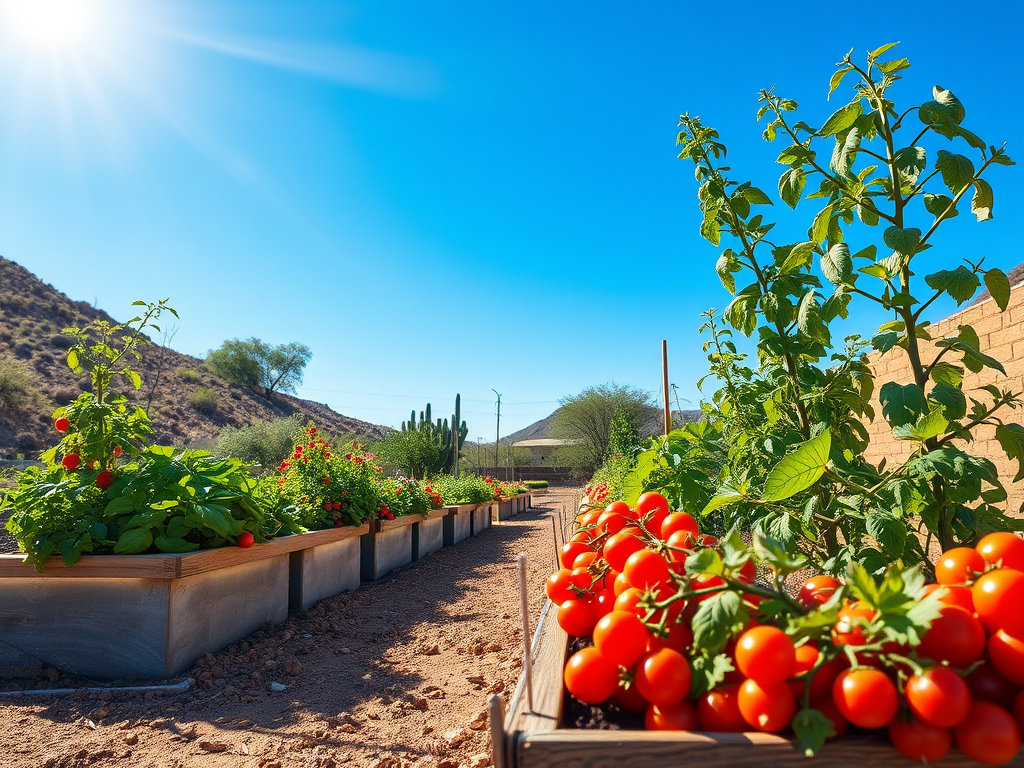
Starting your first garden in the low desert of Arizona, including San Tan Valley, Queen Creek, and Florence, is an exciting venture that brings fresh produce, beautiful blooms, and a connection to nature. With Pinal County’s arid climate (USDA Hardiness Zones 9-10B, 8-12 inches annual rainfall), new gardeners face challenges like intense heat and alkaline soils, but simple, sustainable practices can lead to success. This guide, informed by the University of Arizona Cooperative Extension and Pinal County Master Gardeners, offers essential tips to help beginners in San Tan Valley, Queen Creek, and Florence start their gardening journey with confidence, ensuring a thriving, low-maintenance garden.
Why Start Gardening?
Gardening is an accessible and rewarding activity for beginners, offering numerous benefits:
- Health and Nutrition: Growing your own vegetables and herbs increases fruit and vegetable consumption, promoting a healthier diet. Gardening provides physical exercise, burning up to 300 calories per hour, and reduces stress, as noted by the National Gardening Association (eatright.org).
- Sustainability: Using water-efficient methods like drip irrigation aligns with Arizona’s water-scarce environment, conserving resources.
- Cost Savings: Homegrown produce, such as tomatoes or basil, reduces grocery bills, especially in Pinal County’s food-scarce areas.
- Joy and Connection: Watching plants grow fosters pride, relaxation, and a deeper appreciation for nature, as highlighted by Gardenary.
Essential Tips for Beginner Gardeners
The following tips, drawn from the University of Arizona Cooperative Extension’s “Ten Steps to a Successful Vegetable Garden” (Ten Steps Guide) and local resources like Growing In The Garden, are tailored for Arizona’s low desert:
1. Start Small
Begin with a manageable garden size to avoid overwhelm:
- Raised Beds: A 4×4-foot raised bed is ideal for beginners, providing good drainage and control. Fill with a mix of compost, coconut coir, and vermiculite.
- Containers: Use 5-10-gallon pots with drainage holes for herbs, cherry tomatoes, or flowers. Containers are perfect for patios or small yards in San Tan Valley.
- Why It Works: Small gardens require less time, water, and maintenance, allowing you to learn without overcommitting.
2. Choose Easy, Heat-Tolerant Plants
Select plants that thrive in Pinal County’s hot, dry climate and are forgiving for beginners:
- Vegetables:
- Radishes: Fast-growing (30-40 days), plant in fall (September-November).
- Cherry Tomatoes: Heat-tolerant, plant in spring (February-April).
- Lettuce: Cool-season crop, plant in fall for spring harvest (Vegetable Planting Guide).
- Herbs:
- Basil: Thrives in warm weather, plant in spring.
- Rosemary: Drought-tolerant perennial, plant year-round.
- Cilantro: Cool-season herb, plant in fall (Herb Planting Guide).
- Flowers:
- Desert Marigold: Native, drought-tolerant, blooms spring-fall.
- Zinnias: Colorful, heat-tolerant, plant in spring.
- Sunflowers: Easy to grow, plant in spring or summer.
- Arizona Tip: Choose native or desert-adapted plants from AMWUA Plants to ensure success with minimal water.
3. Test and Amend Your Soil
Arizona’s low desert soils are often alkaline (pH 7.5-8.5) and low in organic matter (<1%), requiring preparation:
- Test Soil: Use a DIY soil test kit from SummerWinds Nursery or send a sample to the University of Arizona’s Soil Testing Lab for pH, nutrient, and salinity analysis (Soil Testing Lab). Test in spring or fall.
- Amend Soil: Add 2-4 inches of compost or well-rotted manure to improve fertility and water retention. For high pH, apply elemental sulfur (1-2 lbs per 100 square feet) to lower to 6.0-7.0, retesting after 3-6 months (Green Living Magazine).
- Mulch: Apply 2-3 inches of organic mulch (e.g., bark, straw) or inorganic mulch (e.g., gravel) to retain moisture and reduce weeds (We Kill Weeds).
4. Water Wisely
Water conservation is critical in Arizona’s arid climate:
- Drip Irrigation: Install a simple drip system to deliver water directly to roots, reducing evaporation. Use 1-2 GPH emitters for vegetables and herbs, watering 1-2 inches weekly (Drip Irrigation Guide).
- Timing: Water early morning (4-6 AM) to minimize evaporation and prevent fungal issues.
- Monitor: Check soil moisture with a screwdriver; if it penetrates 6-8 inches easily, water is sufficient.
5. Plant at the Right Time
Timing is crucial in Pinal County’s two growing seasons:
- Spring (February-April): Plant warm-season crops like tomatoes, basil, and zinnias before summer heat peaks.
- Fall (September-November): Plant cool-season crops like lettuce, radishes, and cilantro for winter/spring harvests (Vegetable Planting Calendar).
- Arizona Tip: Check local frost dates (November 21–December 12 first frost, February 7–April 3 last frost) to protect tender plants.
6. Manage Pests and Weeds Naturally
Pests and weeds can challenge new gardeners, but eco-friendly methods keep your garden safe:
- Pests: Attract beneficial insects like ladybugs with marigolds or use neem oil for aphids and whiteflies, common in Arizona (SummerWinds Nursery).
- Weeds: Franciscan Landscape uses 10% vinegar for existing weeds and corn gluten meal for pre-emergent control, ensuring safety for families and pets.
- Prevention: Use row covers for vegetables and maintain garden hygiene by removing debris.
7. Learn as You Grow
Gardening is a learning process, and beginners should embrace trial and error:
- Keep a Journal: Record planting dates, growth progress, and challenges to learn what works.
- Start Simple: Focus on 2-3 plants to master basics before expanding.
- Seek Help: Connect with experienced gardeners through local resources for guidance.
Tools and Supplies
Invest in basic, affordable tools:
- Hand Trowel and Gloves: For planting and weeding ($5-15 at nurseries).
- Watering Can or Drip Kit: For precise watering ($20-50 for a basic kit).
- Seeds or Transplants: Start with seeds for radishes or transplants for tomatoes to ensure success.
- Compost and Mulch: Available at SummerWinds Nursery or local suppliers like Tank’s Green Stuff.
Local Resources
Pinal County offers robust support for new gardeners:
- Pinal County Master Gardeners: Contact the Plant Helpline (520-836-5221) or visit the Maricopa Agricultural Center’s demonstration garden (37860 W. Smith-Enke Rd, Maricopa, AZ) for hands-on learning. Join workshops like the Casa Grande Master Gardener Course starting February 13, 2025 (Pinal County Master Gardeners).
- University of Arizona Cooperative Extension: Access beginner-friendly guides at extension.arizona.edu, including the “Ten Steps to a Successful Vegetable Garden” and planting calendars.
- Local Nurseries: SummerWinds Nursery offers seeds, transplants, soil amendments, and drip irrigation kits tailored to Pinal County’s climate (SummerWinds Nursery).
Final Thoughts
Starting your first garden in San Tan Valley, Queen Creek, or Florence is an achievable and rewarding endeavor with the right approach. By starting small, choosing easy plants, testing and amending soil, watering wisely, and using eco-friendly pest control, beginners can create a thriving garden in Arizona’s low desert. The Pinal County Master Gardeners and University of Arizona Cooperative Extension provide invaluable support to guide your journey. Take the first step today—visit the Maricopa Agricultural Center, call the Plant Helpline, or grab a few seeds to grow your own food and flowers!
 Franciscan Landscape