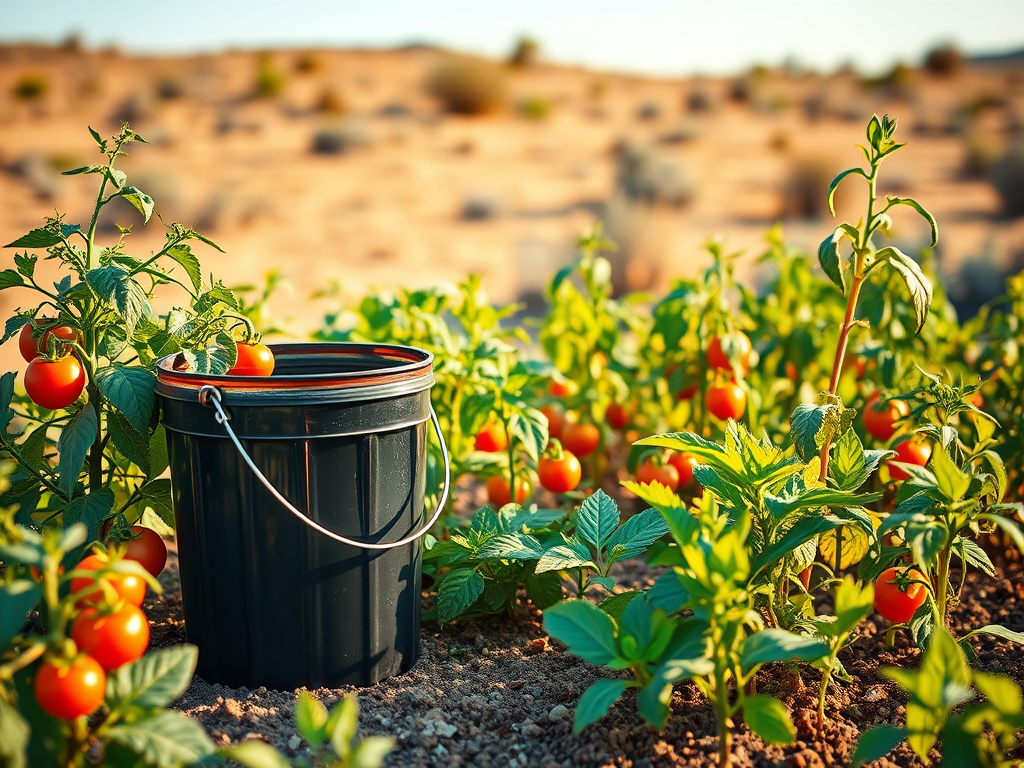
In the arid low desert of Arizona, including San Tan Valley, Queen Creek, and Florence, compost tea offers a sustainable, eco-friendly way to nourish your garden. This nutrient-rich liquid fertilizer, brewed from compost, enhances soil health and boosts plant growth while aligning with water-wise practices in Pinal County’s challenging climate (USDA Hardiness Zones 9-10B, 8-12 inches annual rainfall). By delivering beneficial microbes and nutrients directly to plants, compost tea reduces reliance on chemical fertilizers, making it ideal for desert gardeners. This guide, informed by the University of Arizona Cooperative Extension and Pinal County Master Gardeners, provides step-by-step instructions for creating and applying compost tea to create a thriving, sustainable garden.
Why Compost Tea?
Compost tea is a liquid extract of compost, teeming with beneficial microorganisms and nutrients, that improves soil and plant health. In Arizona’s low desert, where alkaline soils (pH 7.5-8.5) and low organic matter (<1%) limit fertility, compost tea is particularly valuable. Its benefits include:
- Soil Health: Introduces bacteria, fungi, and other microbes that enhance nutrient cycling and soil structure, as noted by the University of Arizona Cooperative Extension (extension.arizona.edu).
- Plant Growth: Boosts vigor, improves disease resistance, and enhances root development, especially for vegetables, herbs, and flowers.
- Sustainability: Recycles kitchen scraps and yard waste, reducing landfill contributions and promoting eco-friendly gardening.
- Water Efficiency: Complements drip irrigation by delivering nutrients directly to roots, minimizing waste in Pinal County’s arid climate.
- Cost Savings: Homemade compost tea is inexpensive, requiring only compost, water, and basic equipment.
Materials Needed
To make compost tea, gather these items, available at local nurseries like SummerWinds or hardware stores:
- 5-Gallon Bucket: For brewing the tea.
- Quality Compost: Use well-decomposed, weed-free compost from a home pile or local sources like Tank’s Green Stuff (SummerWinds Nursery).
- Non-Chlorinated Water: Use rainwater, distilled water, or tap water left out for 24 hours to remove chlorine, which kills beneficial microbes.
- Aquarium Pump and Air Stones: Aerates the mixture to promote microbial growth (available for $10-$20).
- Mesh Bag or Cheesecloth: Holds compost during brewing, preventing clogs.
- Molasses (Optional): Feeds microbes to enhance brewing (1-2 tablespoons per gallon).
- Strainer or Watering Can: For filtering and applying the tea.
How to Make Compost Tea
Follow these steps, adapted from Growing In The Garden and SummerWinds Nursery, to brew compost tea suitable for Arizona’s low desert:
- Prepare the Bucket:
- Fill a 5-gallon bucket with 4-5 gallons of non-chlorinated water. If using tap water, let it sit for 24 hours to dechlorinate.
- Add 1-2 tablespoons of molasses (optional) to feed microbes, stirring until dissolved.
- Add Compost:
- Place 1-2 cups of quality compost in a mesh bag or cheesecloth, tying it securely.
- Submerge the bag in the water, ensuring it’s fully immersed. Alternatively, add compost directly and strain later.
- Aerate the Mixture:
- Connect an aquarium pump to air stones and place them at the bucket’s bottom.
- Turn on the pump to aerate continuously, promoting aerobic microbial growth. Aeration is critical to prevent anaerobic conditions, which produce harmful bacteria and odors.
- Brew the Tea:
- Let the mixture brew for 24-48 hours in a shaded area, ideally at 65-85°F. Arizona’s summer heat may speed up brewing, so check after 24 hours.
- The tea should have a sweet, earthy smell. If it smells foul, discard and start over with fresh compost.
- Filter the Tea:
- Remove the compost bag or strain the liquid through cheesecloth to remove solids, preventing clogs in watering cans or sprayers.
How to Use Compost Tea
Apply compost tea to enhance plant health and soil fertility:
- Soil Application:
- Pour tea directly onto the soil around plant bases using a watering can, targeting root zones. Apply 1-2 cups per plant or 1 gallon per 100 square feet.
- Use weekly during the growing season (spring: February-April; fall: September-November) for vegetables, herbs, or flowers.
- Foliar Application:
- Spray diluted tea (1:10 tea-to-water ratio) onto leaves early in the morning to avoid leaf burn in Arizona’s intense sunlight. Use a sprayer for even coverage.
- Foliar sprays help suppress foliar diseases and boost nutrient uptake.
- Frequency: Apply every 1-2 weeks during active growth, reducing to monthly in winter when plants are dormant.
- Storage: Use within 4-6 hours of brewing, as microbes die without aeration. If storage is needed, keep in a cool, shaded place and use within 24 hours.
Arizona Tip: Pair compost tea with drip irrigation to deliver nutrients efficiently to roots, minimizing water waste in Pinal County’s arid climate (Drip Irrigation Guide).
Best Practices for Arizona’s Low Desert
- Use Quality Compost: Ensure compost is well-decomposed and free of weed seeds or pathogens. Local sources like Tank’s Green Stuff provide certified organic compost suited for Arizona soils.
- Avoid Overuse: Excessive application can lead to nutrient overload, especially in alkaline soils (pH 7.5-8.5). Test soil first through the University of Arizona’s Soil Testing Lab to guide application (Soil Testing Lab).
- Combine with Mulch: Apply 2-3 inches of organic mulch (e.g., wood chips, straw) after using compost tea to retain moisture and enhance soil health.
- Weed Control: Franciscan Landscape uses eco-friendly methods, applying 10% vinegar to kill existing weeds and corn gluten meal for pre-emergent control, ensuring a safe, weed-free garden for compost tea application.
- Heat Considerations: Brew in shaded areas to avoid overheating, as Arizona’s summer temperatures can exceed 100°F, potentially harming microbes.
Plants That Benefit
Compost tea enhances a variety of plants suited to Pinal County’s climate:
- Vegetables: Tomatoes, peppers, lettuce, broccoli (plant in spring or fall).
- Herbs: Basil, rosemary, cilantro, thyme.
- Flowers: Desert marigold, zinnias, sunflowers.
- Native Plants: Desert willow, palo verde, mesquite (AMWUA Plants).
Safety and Precautions
- Use Fresh Tea: Apply within 4-6 hours to ensure active microbes. Stale tea can harbor harmful bacteria.
- Avoid Contamination: Use clean equipment and quality compost to prevent pathogens.
- Protect Skin and Eyes: Wear gloves and avoid splashing when spraying foliar tea.
- Test Soil: Arizona’s alkaline soils may require pH adjustment (e.g., sulfur) before applying compost tea to maximize nutrient uptake.
Local Resources
Pinal County gardeners can access expert support:
- Pinal County Master Gardeners: Contact the Plant Helpline (520-836-5221) or visit the Maricopa Agricultural Center’s demonstration garden (37860 W. Smith-Enke Rd, Maricopa, AZ) to learn composting techniques. Workshops, like the Casa Grande Master Gardener Course (February 13, 2025), offer hands-on learning (Pinal County Master Gardeners).
- University of Arizona Cooperative Extension: Explore composting and soil health guides at extension.arizona.edu. The Arizona Master Gardener Manual includes composting advice.
- Local Nurseries: SummerWinds Nursery offers compost, buckets, and aeration equipment suited to Pinal County (SummerWinds Nursery).
- AMWUA: Provides water-saving tips and plant lists compatible with compost tea (AMWUA).
Conclusion
Compost tea is a powerful, eco-friendly fertilizer for gardeners in San Tan Valley, Queen Creek, and Florence, enhancing soil health and plant growth in Arizona’s low desert. By brewing and applying it correctly, you can nourish your garden sustainably, reducing waste and chemical use. With support from the Pinal County Master Gardeners and University of Arizona Cooperative Extension, start making compost tea today—visit the Maricopa Agricultural Center or call the Plant Helpline to transform your garden into a thriving oasis!
 Franciscan Landscape