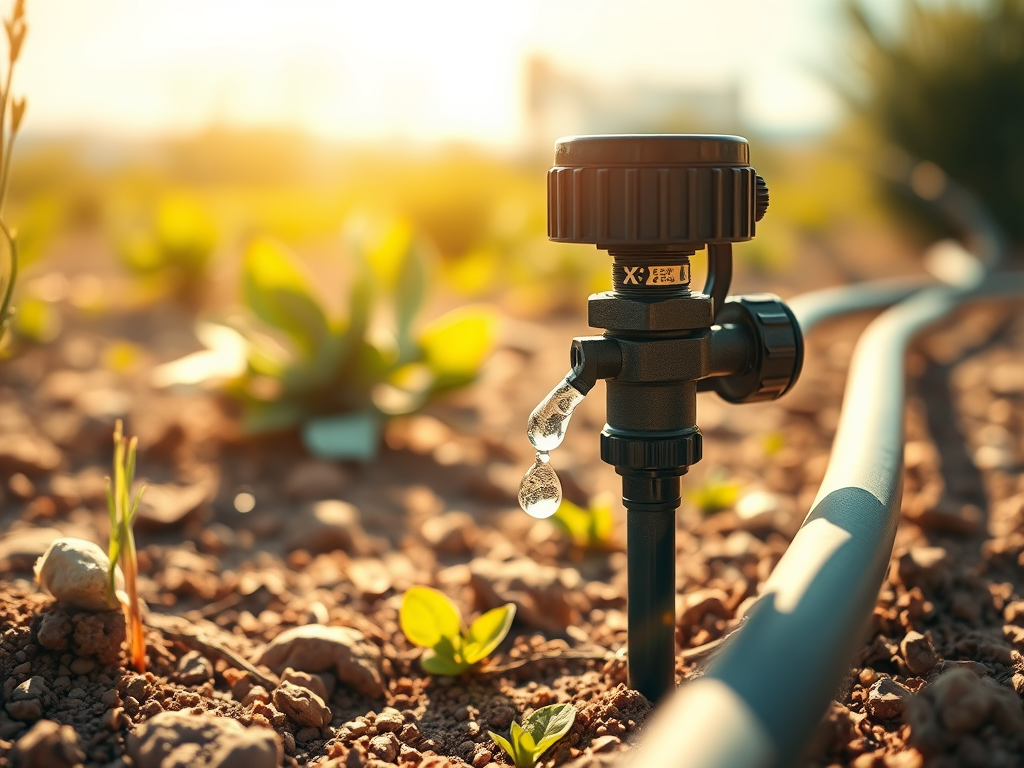
In the arid low desert of Arizona, including San Tan Valley, Queen Creek, and Florence, water is a precious resource, and efficient irrigation is essential for thriving gardens. Drip irrigation, a method that delivers water directly to plant roots, is a game-changer for conserving water while keeping your garden lush. In Pinal County’s climate (USDA Hardiness Zones 9-10B, 8-12 inches annual rainfall), drip systems minimize waste, reduce costs, and promote healthy plants. This guide, informed by the University of Arizona Cooperative Extension and Pinal County Master Gardeners, provides practical steps to set up and use drip irrigation systems effectively, ensuring sustainable gardening in Arizona’s challenging environment.
Why Drip Irrigation?
Drip irrigation stands out as the most water-efficient watering method for Arizona’s low desert, where high temperatures and low rainfall demand conservation. Unlike sprinklers, which lose water to evaporation and runoff, drip systems deliver water slowly and precisely to plant roots, reducing waste by up to 50%, according to the University of Arizona Cooperative Extension (Drip Irrigation Guide). Key benefits include:
- Water Conservation: Delivers water only where needed, critical in Pinal County’s arid climate.
- Plant Health: Encourages deep root growth, making plants more drought-tolerant.
- Cost Savings: Lowers water bills and reduces maintenance compared to sprinklers.
- Flexibility: Adapts to various garden types, from vegetable beds to succulent arrangements.
- Weed Reduction: Minimizes water on bare soil, reducing weed growth, complemented by Franciscan Landscape’s eco-friendly weed control using 10% vinegar for existing weeds and corn gluten meal for pre-emergent control.
Components of a Drip Irrigation System
A drip irrigation system comprises several key components, as outlined by Water Use It Wisely and Growing In The Garden:
- Main Line Tubing: ½-inch polyethylene tubing carries water from the source to the garden.
- Emitters: Devices that release water at controlled rates (e.g., 0.5, 1, or 2 gallons per hour) to individual plants.
- Backflow Preventer: Prevents contaminated water from entering the main water supply.
- Pressure Regulator: Reduces water pressure to protect the system (25-35 PSI is typical).
- Filter: Removes debris to prevent emitter clogs.
- Timer or Controller: Automates watering schedules, saving time and ensuring consistency.
- Connectors and End Caps: Link tubing sections and seal the system.
Planning Your Drip Irrigation System
Before installation, plan your system to ensure efficiency:
- Map Your Garden: Sketch your garden layout, noting plant types, water needs, and sun exposure. Group plants with similar needs (e.g., vegetables, shrubs, trees) to streamline emitter placement.
- Assess Water Source: Identify your water source (e.g., outdoor faucet, rain barrel). Ensure it has adequate pressure (typically 40-100 PSI for household systems).
- Determine Water Needs: Different plants require varying water amounts:
- Vegetables: 1-2 gallons per hour (GPH) per plant, 1-2 inches weekly.
- Shrubs: 2-4 GPH, depending on size.
- Trees: 4-10 GPH, using multiple emitters for larger root zones.
- Choose a System: Opt for a pre-assembled kit for small gardens (available at SummerWinds Nursery, starting at $20-$50) or custom components for larger or complex layouts (SummerWinds Nursery).
How to Set Up a Drip Irrigation System
Follow these steps, adapted from Water Use It Wisely and AZ Plant Lady, to install your drip system:
- Gather Materials: Purchase a drip irrigation kit or individual components (main line tubing, emitters, connectors, pressure regulator, filter, backflow preventer, timer). Ensure UV-resistant tubing for Arizona’s intense sun.
- Connect to Water Source: Attach the backflow preventer, filter, and pressure regulator to your faucet in that order. Connect the main line tubing to the regulator.
- Lay Out Tubing: Run ½-inch tubing along plant rows or garden beds, securing with stakes every 3-5 feet. Use ¼-inch tubing for individual plants or containers.
- Install Emitters: Place emitters near plant bases, matching flow rates to plant needs (e.g., 1 GPH for vegetables, 4 GPH for trees). Use adjustable emitters for flexibility.
- Add Connectors and End Caps: Use T-connectors, elbow connectors, or straight connectors to navigate corners or extend lines. Seal the system with end caps.
- Test the System: Turn on the water to check for leaks, clogs, or uneven flow. Adjust emitter placement and flow rates as needed.
- Set a Timer: Program a timer to water early in the morning (e.g., 4-6 AM) to minimize evaporation. Water 2-3 times weekly, adjusting for seasonal changes (less in winter, more in summer).
Using and Maintaining Your Drip System
To maximize efficiency and longevity:
- Adjust Watering Schedules: Use the University of Arizona’s “Landscape Drip Irrigation Scheduler” app to tailor watering to plant needs and weather conditions (Drip Irrigation Guide). For example, vegetables may need 20-30 minutes daily in summer, while shrubs require 30-60 minutes 2-3 times weekly.
- Check Emitters: Inspect monthly for clogs, especially in Arizona’s hard water areas. Clean with a vinegar soak or replace as needed.
- Flush the System: Flush lines annually by opening end caps to remove sediment, ensuring clear flow.
- Winterize: In Pinal County, where frosts are rare, keep systems running year-round but reduce watering frequency in winter (e.g., once weekly).
- Monitor Plants: Watch for signs of over- or under-watering (e.g., yellowing leaves or wilting) and adjust emitter flow or frequency accordingly.
Arizona-Specific Tips
Pinal County’s arid climate demands water-efficient practices:
- Use Mulch: Apply 2-3 inches of organic mulch (e.g., bark, straw) or inorganic mulch (e.g., gravel) around plants to reduce evaporation and complement drip irrigation.
- Choose Desert-Adapted Plants: Pair drip systems with plants like desert marigold, palo verde, or rosemary, which thrive with minimal water (AMWUA Plants).
- Weed Control: Franciscan Landscape uses eco-friendly methods, applying 10% vinegar to kill existing weeds and corn gluten meal to prevent germination, ensuring a clean garden bed that maximizes drip efficiency.
- Hard Water Management: Arizona’s hard water can clog emitters. Install a high-quality filter and check regularly for mineral buildup.
Local Resources
Pinal County gardeners can access robust support:
- Pinal County Master Gardeners: Contact the Plant Helpline (520-836-5221) or visit the Maricopa Agricultural Center’s demonstration garden (37860 W. Smith-Enke Rd, Maricopa, AZ) to see drip irrigation in action. Workshops, like the Casa Grande Master Gardener Course starting February 13, 2025, offer hands-on learning (Pinal County Master Gardeners).
- University of Arizona Cooperative Extension: Access drip irrigation guides at Drip Irrigation Guide and general gardening resources at Home Gardening.
- Local Nurseries: SummerWinds Nursery offers drip irrigation kits, components, and mulch suited to Pinal County’s climate (SummerWinds Nursery).
- AMWUA: The Arizona Municipal Water Users Association provides water-saving tips and plant lists compatible with drip irrigation (AMWUA).
Final Thoughts on Drip Irrigation
Drip irrigation is a cornerstone of sustainable gardening in San Tan Valley, Queen Creek, and Florence, offering a water-efficient way to nurture your garden in Arizona’s arid low desert. By setting up a well-planned system and maintaining it with regular checks, you can conserve water, promote plant health, and reduce costs. With support from the Pinal County Master Gardeners and the University of Arizona Cooperative Extension, your garden can thrive with minimal environmental impact. Start your drip irrigation journey today—visit the Maricopa Agricultural Center or call the Plant Helpline to create a flourishing, water-wise garden!

