Author: John Denson
-
Growing Tomatoes in Arizona: Tips for Success
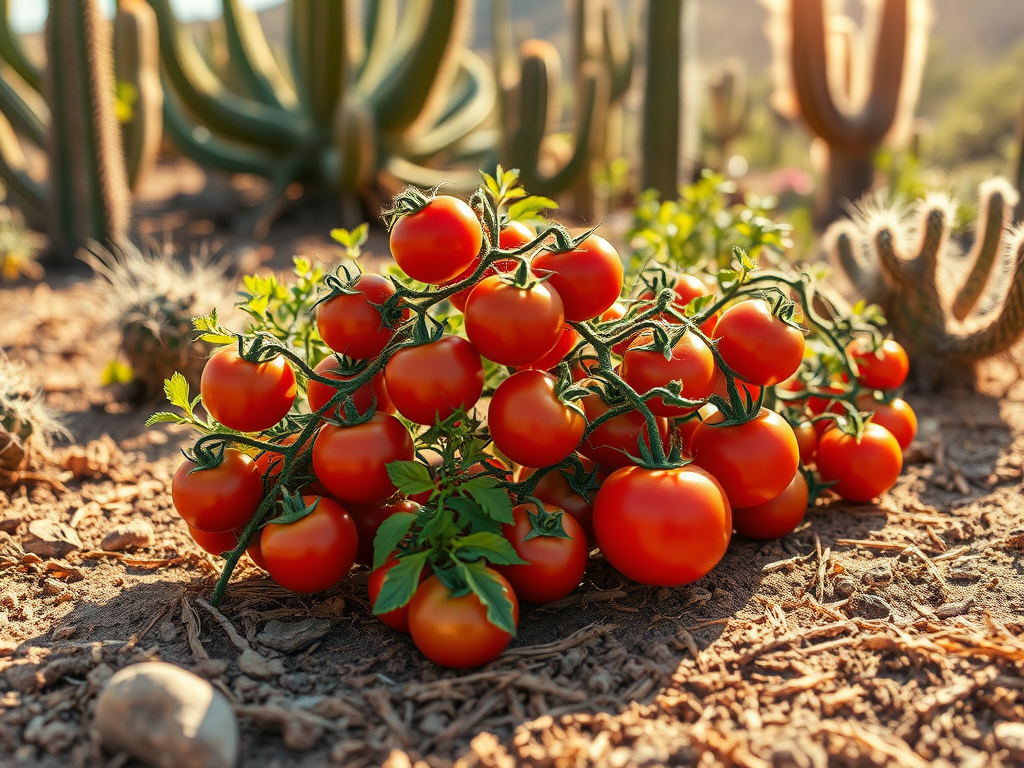
Growing tomatoes in Arizona’s low desert, including San Tan Valley, Queen Creek, and Florence, is a rewarding challenge that requires strategic planning to navigate the region’s intense heat and low rainfall (8-12 inches annually). In Pinal County’s arid climate (USDA Hardiness Zones 9a-10b), selecting heat-tolerant varieties, timing planting correctly, and…
-
Rainwater Harvesting for Gardeners
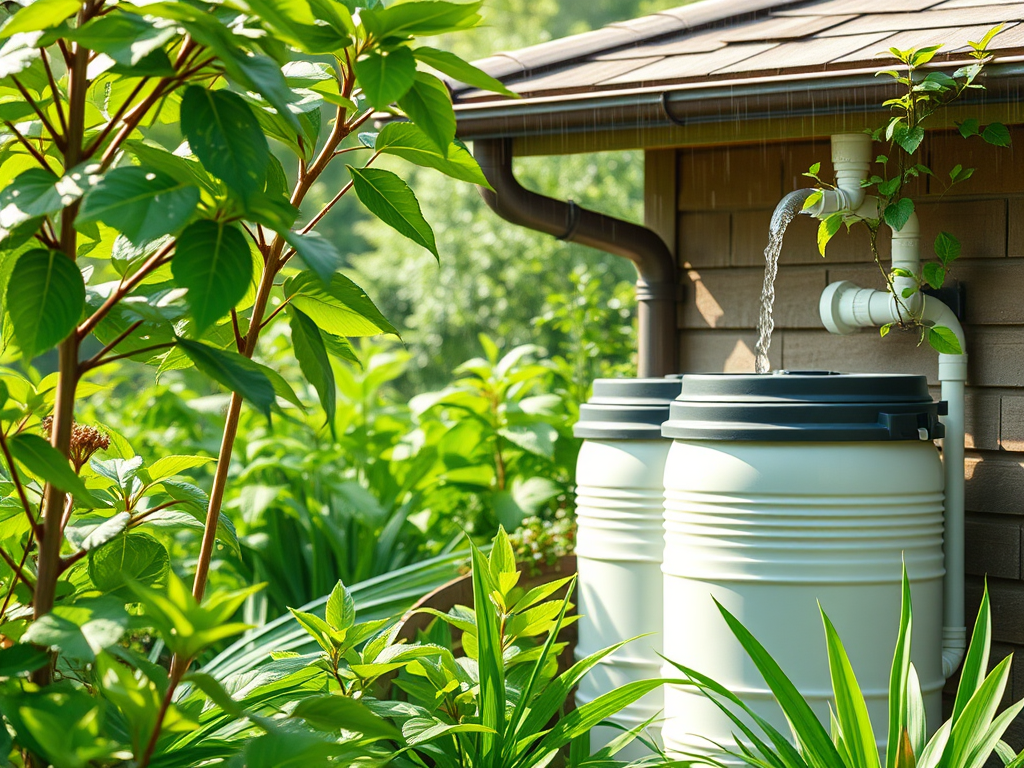
Setting up a rainwater harvesting system is straightforward and can be tailored to your garden’s size and needs. Here are the key steps, adapted from the University of Arizona Cooperative Extension and local resources like the City of Chandler: 1. Choose a Collection Surface 2. Install Gutters and Downspouts 3.…
-
Compost Tea: How to Make and Use It
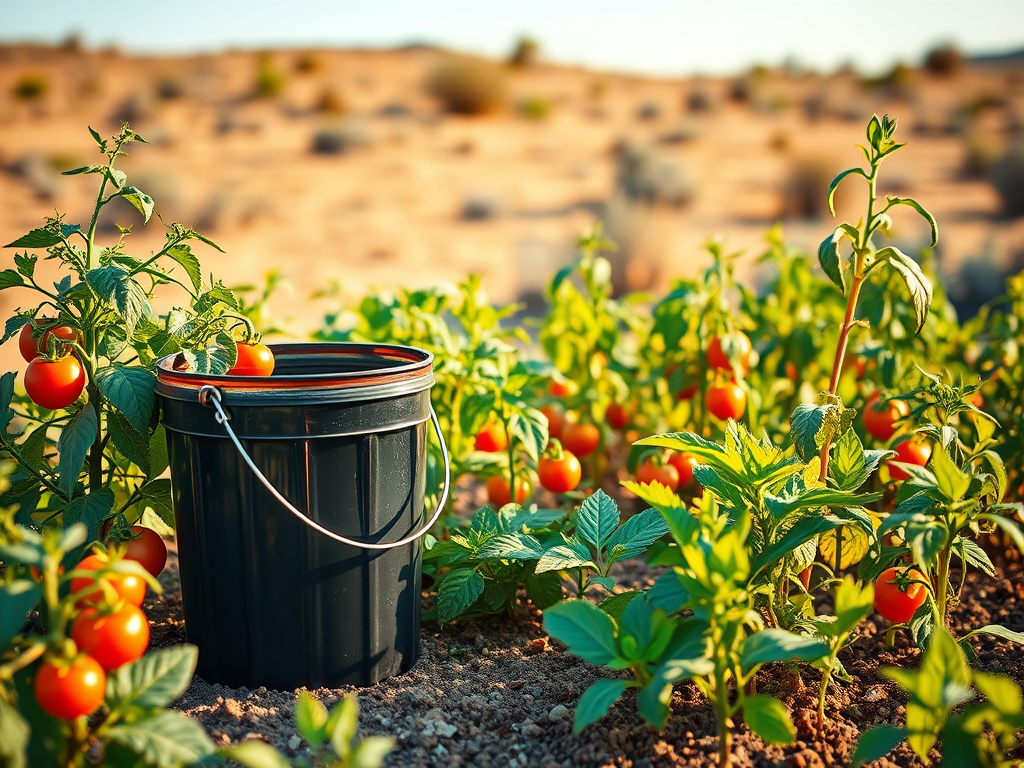
In the arid low desert of Arizona, including San Tan Valley, Queen Creek, and Florence, compost tea offers a sustainable, eco-friendly way to nourish your garden. This nutrient-rich liquid fertilizer, brewed from compost, enhances soil health and boosts plant growth while aligning with water-wise practices in Pinal County’s challenging climate…
-
Mulching: Benefits and Best Practices for Arizona
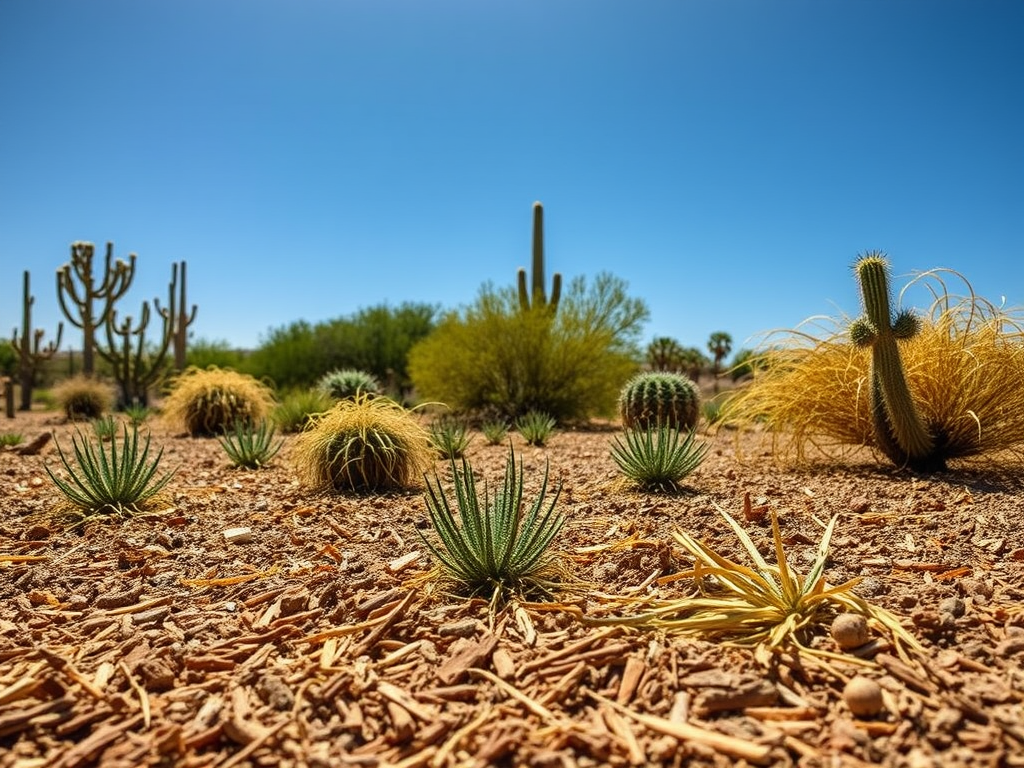
guide, informed by the University of Arizona Cooperative Extension and Pinal County Master Gardeners, explores the benefits of mulching, best practices for Arizona’s low desert, and how these differ from eastern U.S. methods, ensuring a thriving, sustainable garden. Why Mulch in Arizona? In Arizona’s low desert, where summer temperatures exceed…
-
Understanding Plant Hardiness Zones in Arizona
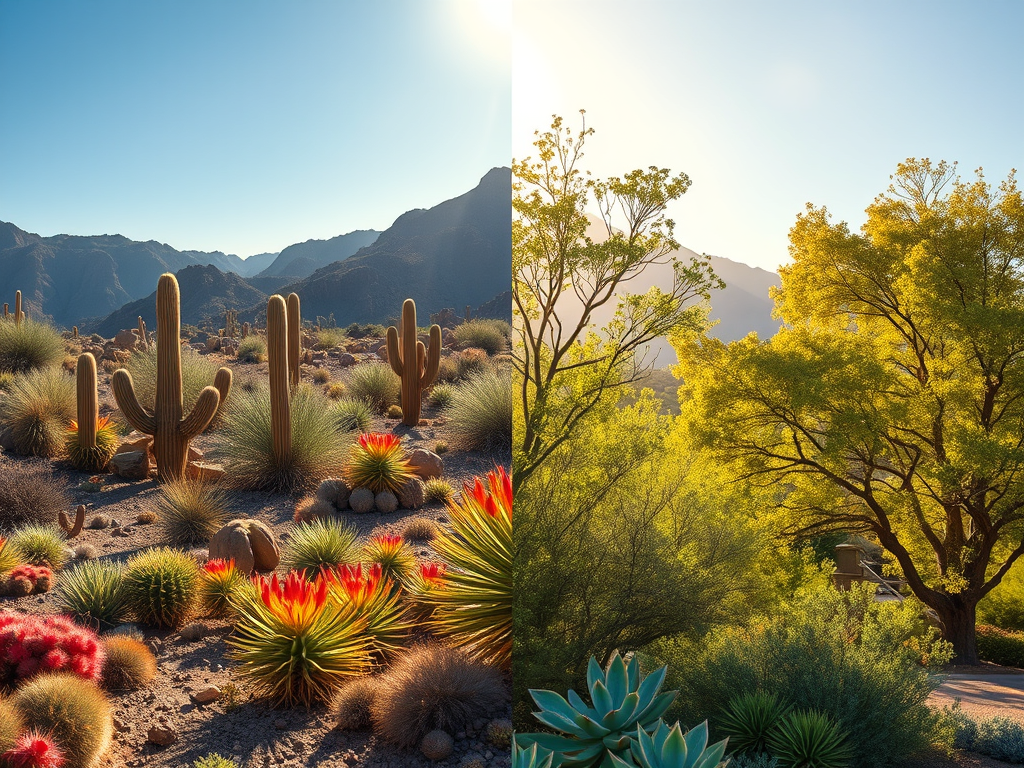
Gardening in Arizona’s diverse landscapes, from the scorching low deserts of San Tan Valley, Queen Creek, and Florence to the cooler high elevations, requires careful plant selection to ensure success. Plant hardiness zones, defined by the USDA based on average annual minimum winter temperatures, are a critical tool for choosing…
-
Gardening for Beginners: Getting Started with Your First Garden
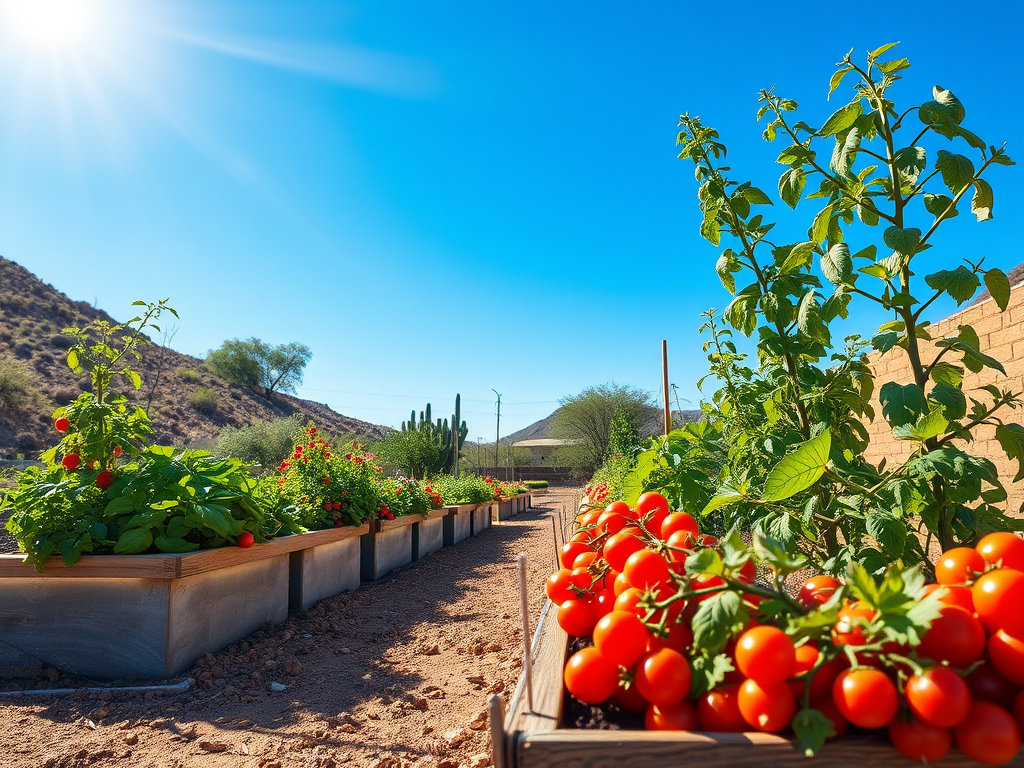
Starting your first garden in the low desert of Arizona, including San Tan Valley, Queen Creek, and Florence, is an exciting venture that brings fresh produce, beautiful blooms, and a connection to nature. With Pinal County’s arid climate (USDA Hardiness Zones 9-10B, 8-12 inches annual rainfall), new gardeners face challenges…
-
Community Gardening: Joining or Starting a Community Garden
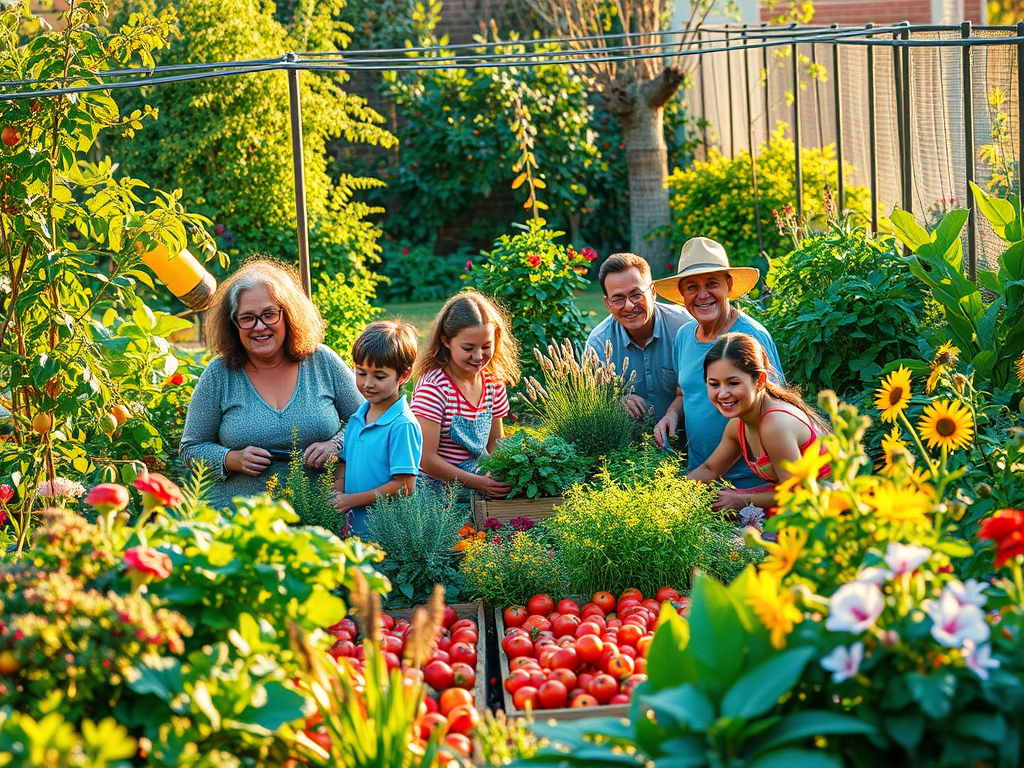
In the arid low desert of Arizona, including San Tan Valley, Queen Creek, and Florence, community gardens offer a vibrant way to grow fresh produce, build neighborly connections, and promote sustainable living. With Pinal County’s hot climate (USDA Hardiness Zones 9-10B, 8-12 inches annual rainfall), these gardens transform vacant lots…
-
Gardening with Children: Fun Projects for Kids
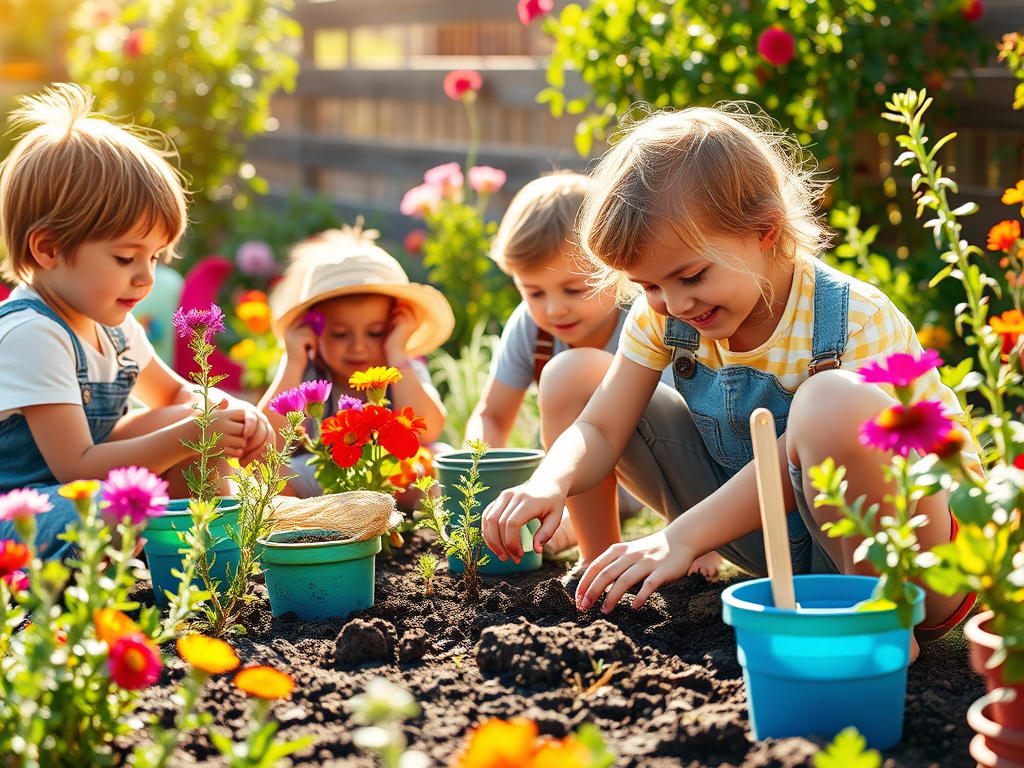
Gardening with Children: Fun Projects for Kids Summer in Arizona’s low desert, including San Tan Valley, Queen Creek, and Florence, brings scorching temperatures often exceeding 100°F, but it’s also a perfect time to engage kids in gardening while they’re out of school. Gardening with children fosters a love for nature,…
-
Creating a Wildlife Habitat in Your Backyard in San Tan Valley
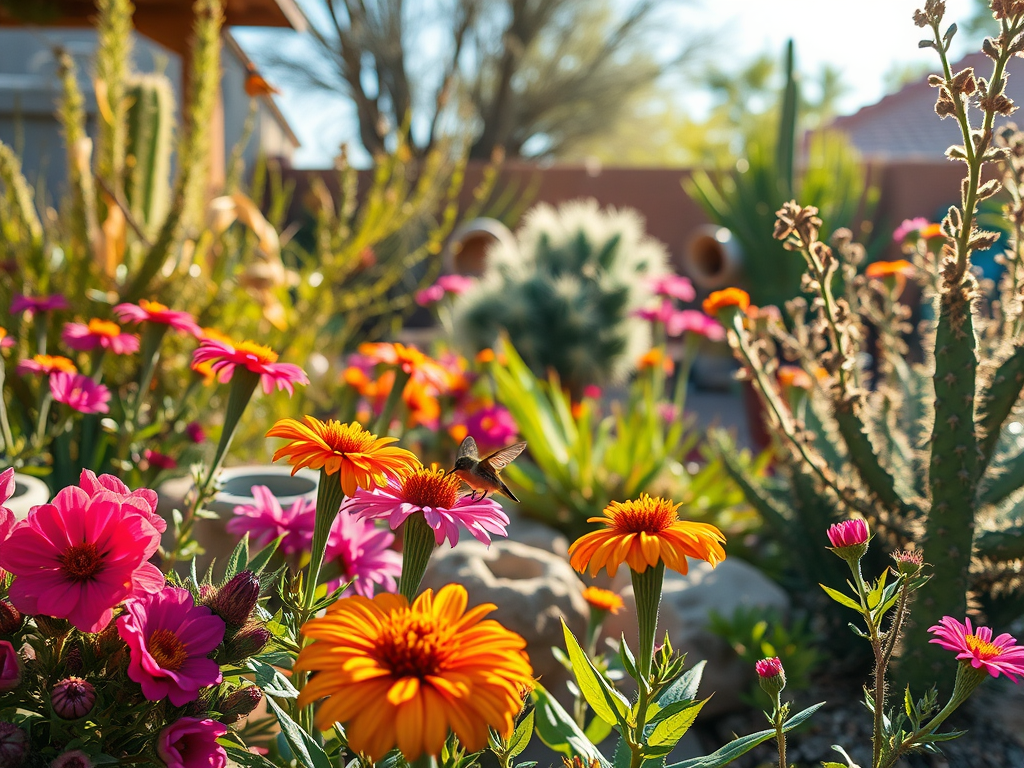
Transforming your backyard into a wildlife habitat in San Tan Valley, Queen Creek, and Florence, Arizona, is a rewarding way to support local biodiversity while enhancing your garden’s beauty. In the arid low desert of Pinal County (USDA Hardiness Zones 9-10B, 8-12 inches annual rainfall), creating a haven for birds,…
-
Drip Irrigation: Efficient Watering for Your Garden
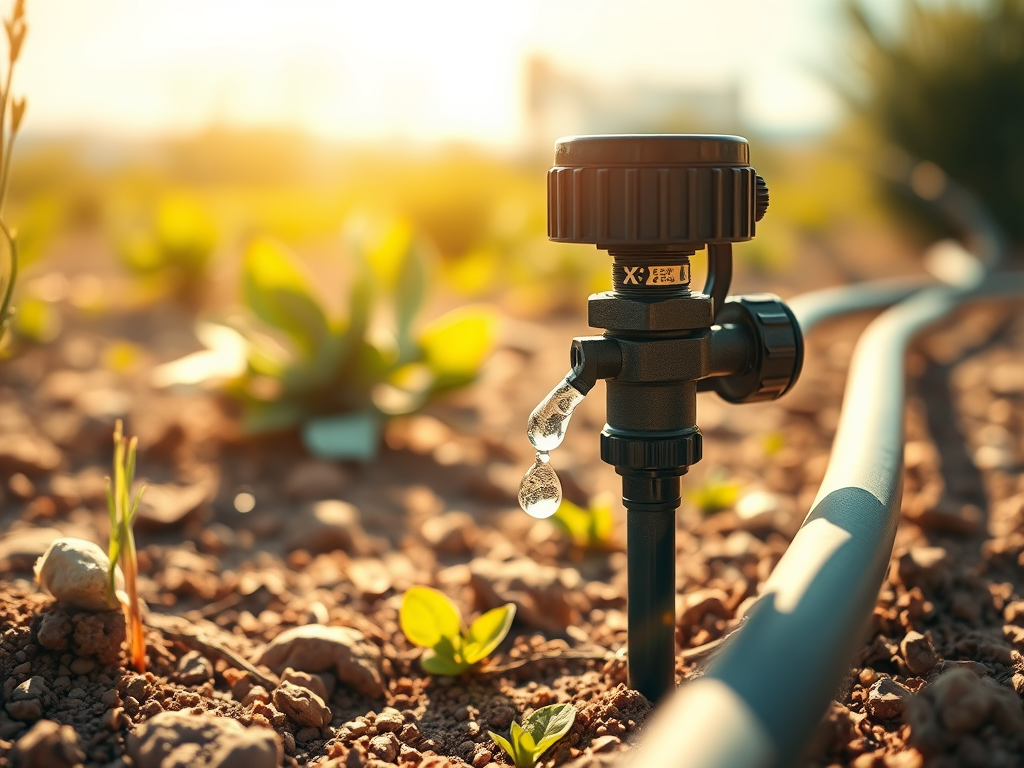
In the arid low desert of Arizona, including San Tan Valley, Queen Creek, and Florence, water is a precious resource, and efficient irrigation is essential for thriving gardens. Drip irrigation, a method that delivers water directly to plant roots, is a game-changer for conserving water while keeping your garden lush.…
 Franciscan Landscape