Category: Edible Landscaping
-
Winter Garden Preparation: Protecting Your Plants from Frost
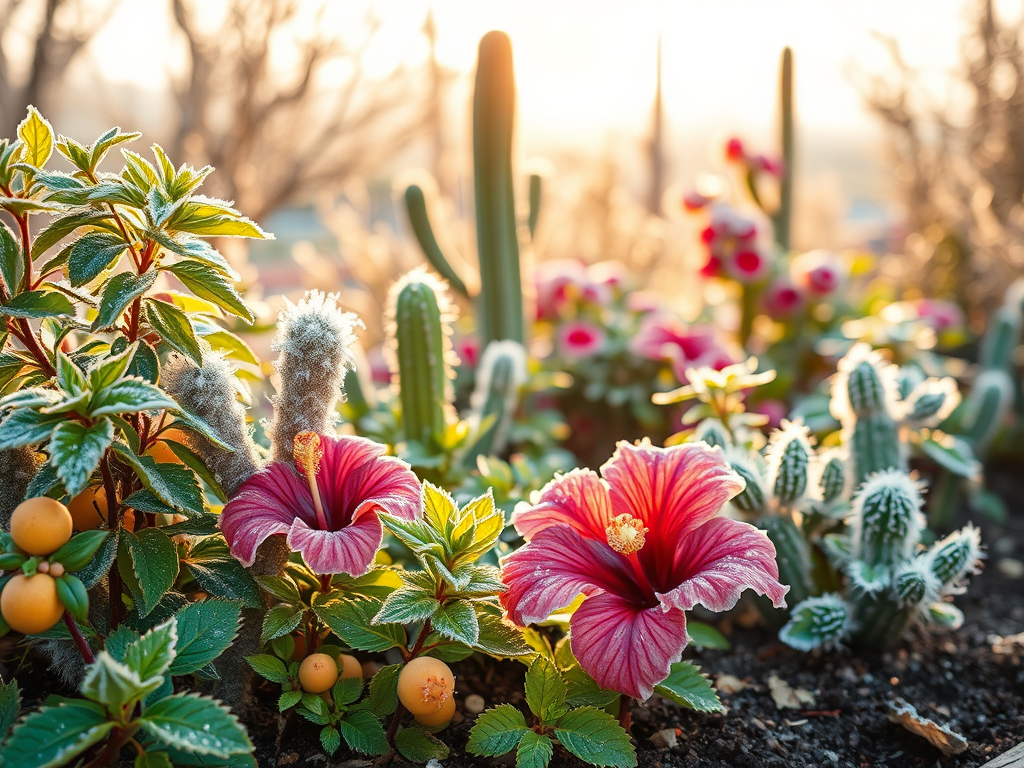
Winter in Arizona’s low desert, including San Tan Valley, Queen Creek, and Florence, brings mild days but occasional frosty nights that can harm sensitive plants. While Arizona is known for its scorching summers, temperatures in Pinal County (USDA Hardiness Zones 9-10B) can dip below 32°F from late November to early…
-
Fall Planting: What to Plant in Autumn for a Beautiful Spring
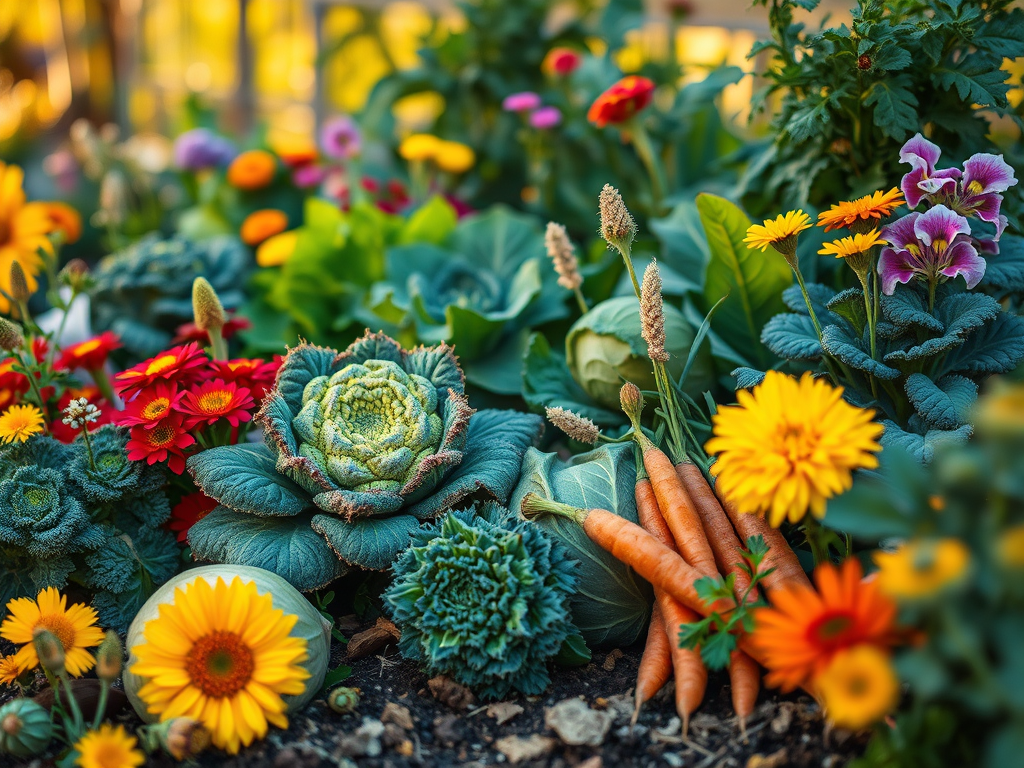
As the intense summer heat of Arizona’s low desert gives way to the cooler, milder days of autumn, gardeners in San Tan Valley, Queen Creek, and Florence have a prime opportunity to prepare for a vibrant spring garden. Fall planting allows plants to establish strong roots during the cooler months,…
-
Growing Cilantro in Arizona’s Low Desert
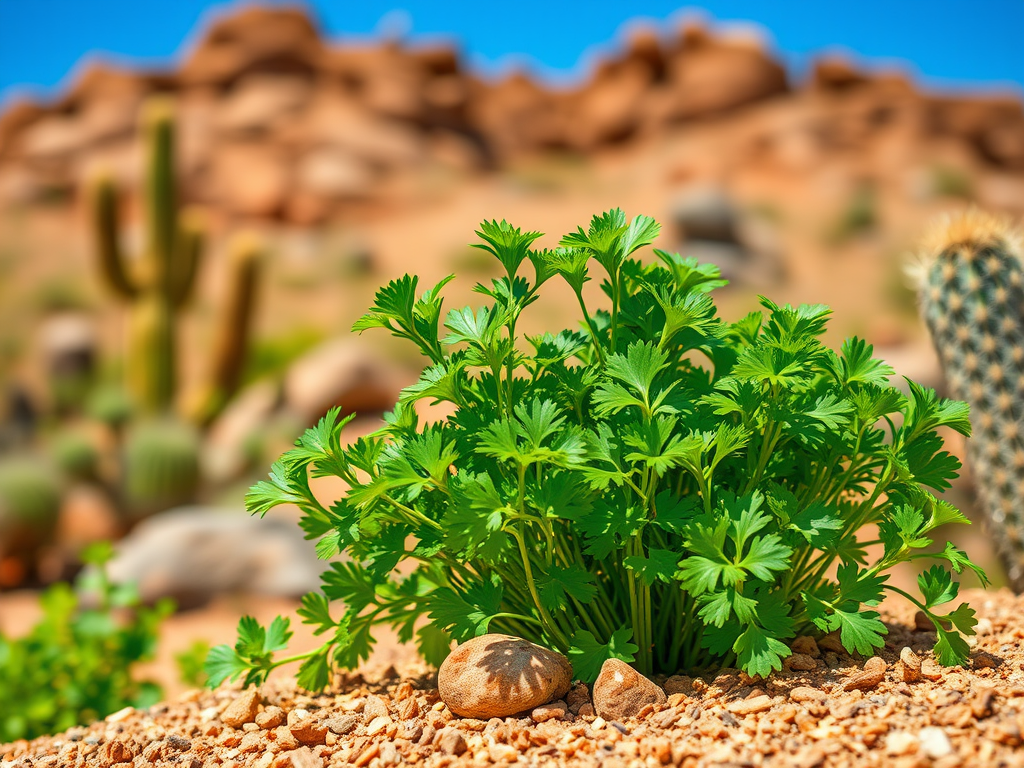
Cilantro, with its vibrant, citrusy flavor, is a culinary favorite that can thrive in Arizona’s low desert, including San Tan Valley, Queen Creek, and Florence, when grown with care. In Pinal County’s arid climate (USDA Hardiness Zones 9a-10b, 8-12 inches annual rainfall), the intense summer heat and low humidity challenge…
-
Growing Hot Peppers in Arizona’s Low Desert
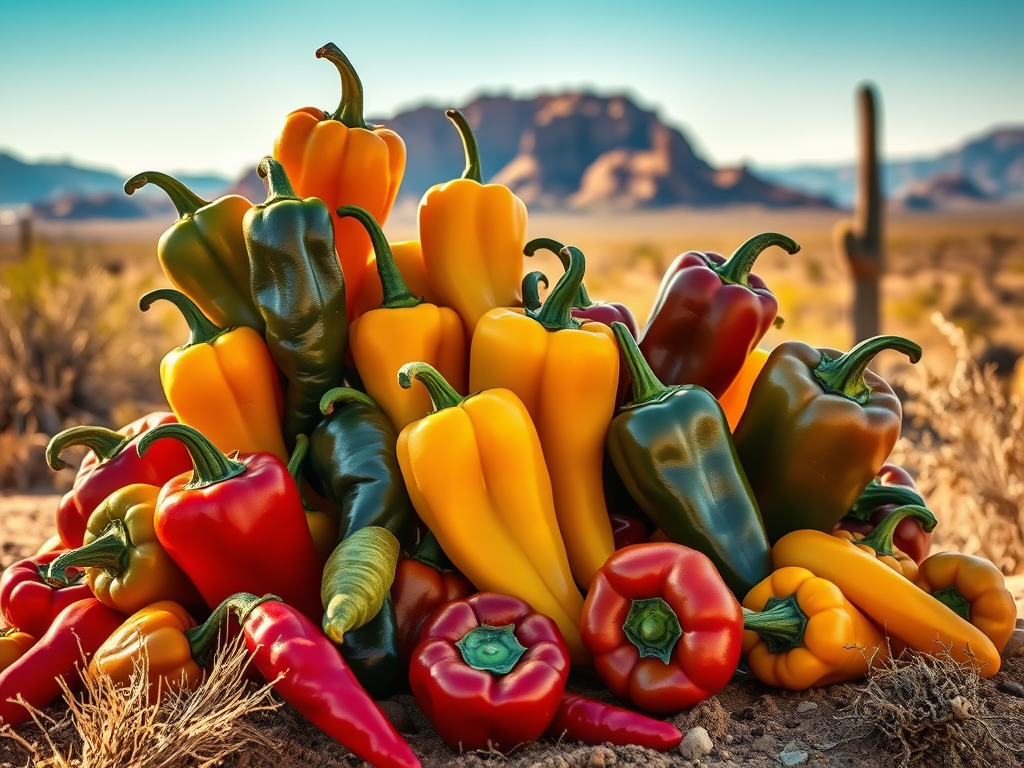
hot pepper gardening, Arizona gardening, low desert gardening, San Tan Valley gardening, Queen Creek gardening, Florence gardening, heat-tolerant peppers, Native Seed Search, University of Arizona Cooperative Extension, Pinal County Master Gardeners, sustainable gardening, drip irrigation, weed control, soil preparation, shade cloth, eco-friendly gardening, Maricopa Agricultural Center, home gardening, vegetable gardening,…
-
Growing Bell Peppers in Arizona’s Low Desert
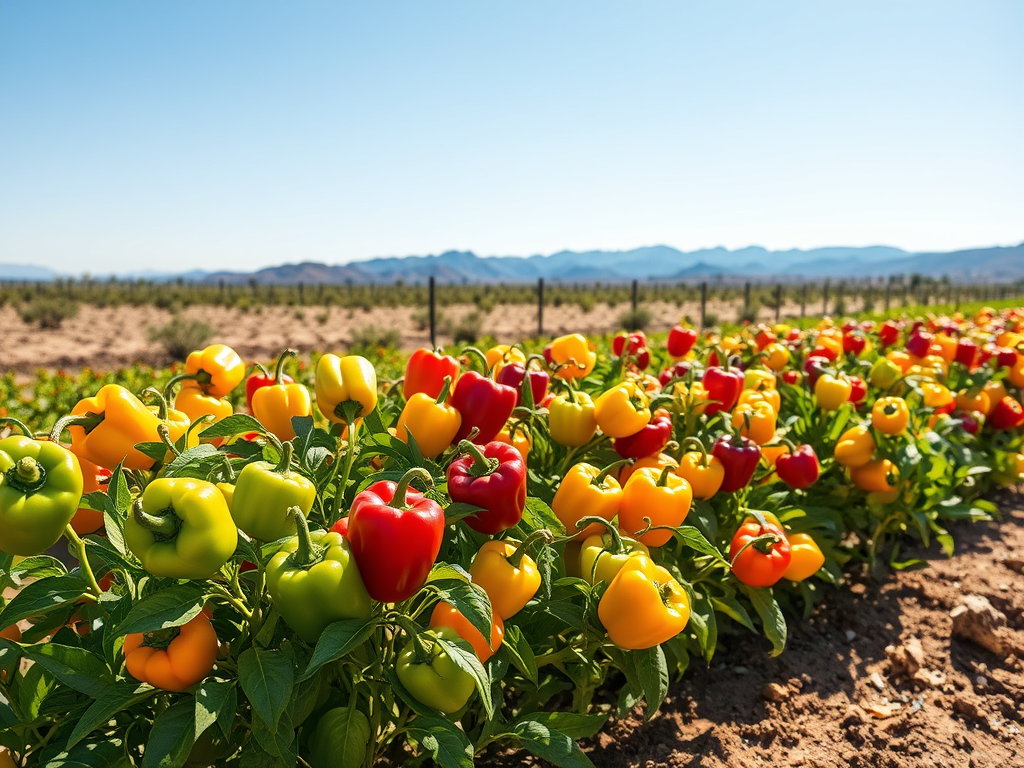
Growing bell peppers in Arizona’s low desert, encompassing San Tan Valley, Queen Creek, and Florence, is a rewarding endeavor that brings vibrant, sweet peppers to your table. In Pinal County’s arid climate (USDA Hardiness Zones 9a-10b, 8-12 inches annual rainfall), the intense heat, low humidity, and alkaline soils present challenges,…
-
Growing Tomatoes in Arizona: Tips for Success
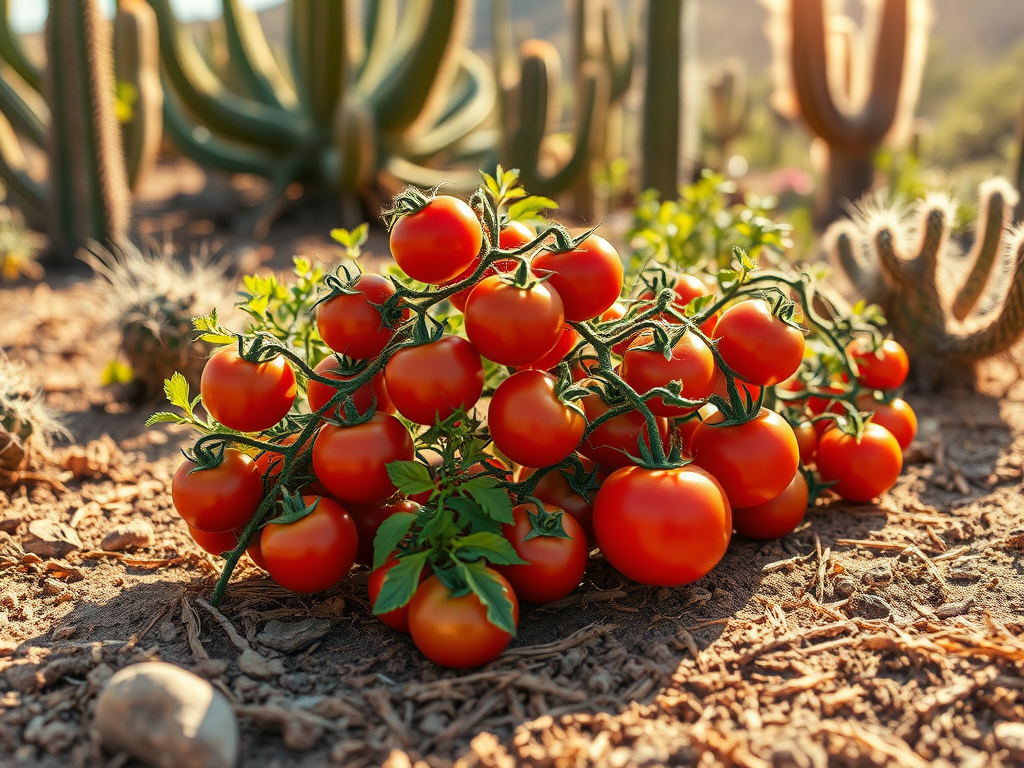
Growing tomatoes in Arizona’s low desert, including San Tan Valley, Queen Creek, and Florence, is a rewarding challenge that requires strategic planning to navigate the region’s intense heat and low rainfall (8-12 inches annually). In Pinal County’s arid climate (USDA Hardiness Zones 9a-10b), selecting heat-tolerant varieties, timing planting correctly, and…
-
Compost Tea: How to Make and Use It
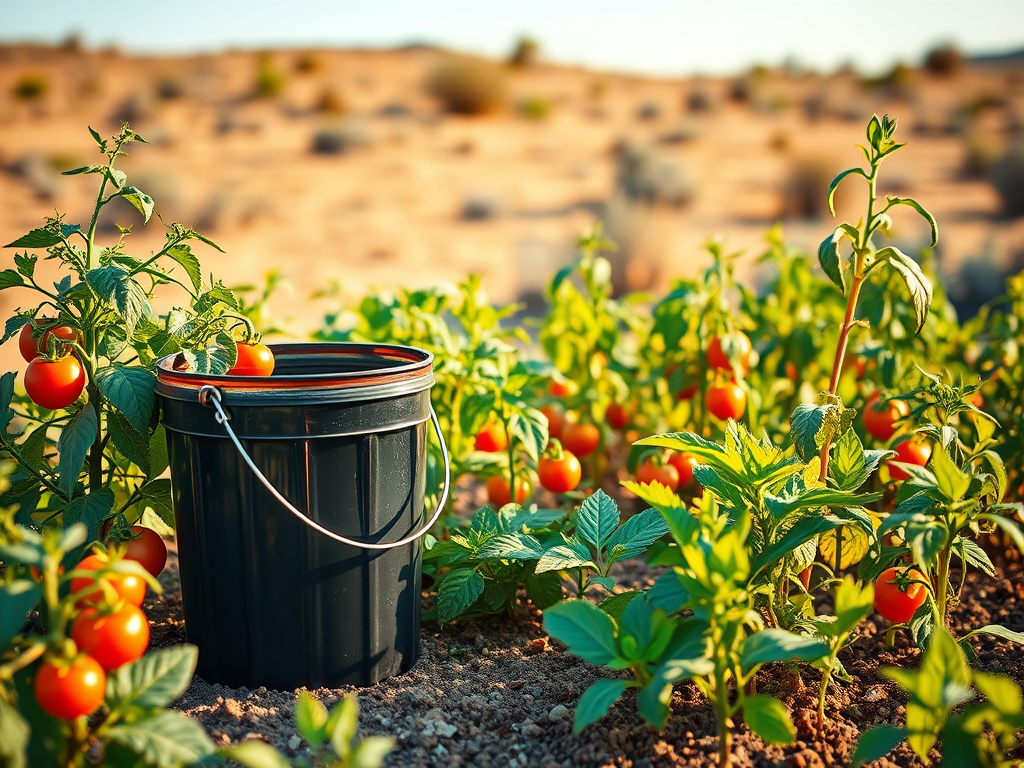
In the arid low desert of Arizona, including San Tan Valley, Queen Creek, and Florence, compost tea offers a sustainable, eco-friendly way to nourish your garden. This nutrient-rich liquid fertilizer, brewed from compost, enhances soil health and boosts plant growth while aligning with water-wise practices in Pinal County’s challenging climate…
-
Community Gardening: Joining or Starting a Community Garden
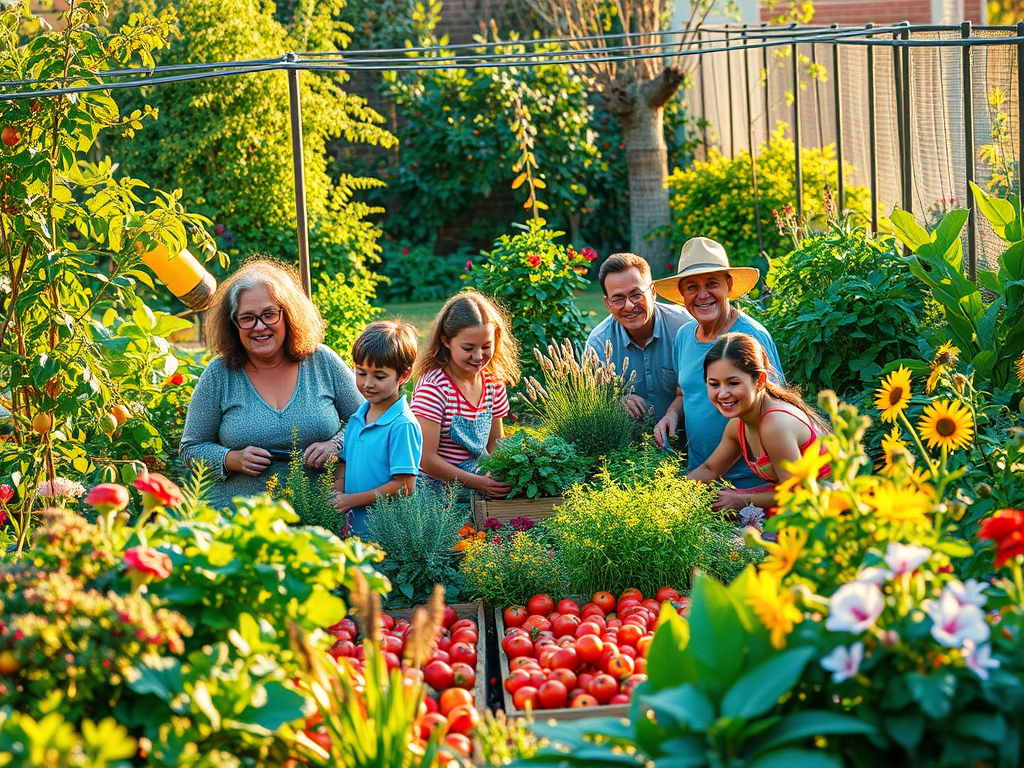
In the arid low desert of Arizona, including San Tan Valley, Queen Creek, and Florence, community gardens offer a vibrant way to grow fresh produce, build neighborly connections, and promote sustainable living. With Pinal County’s hot climate (USDA Hardiness Zones 9-10B, 8-12 inches annual rainfall), these gardens transform vacant lots…
-
Drip Irrigation: Efficient Watering for Your Garden
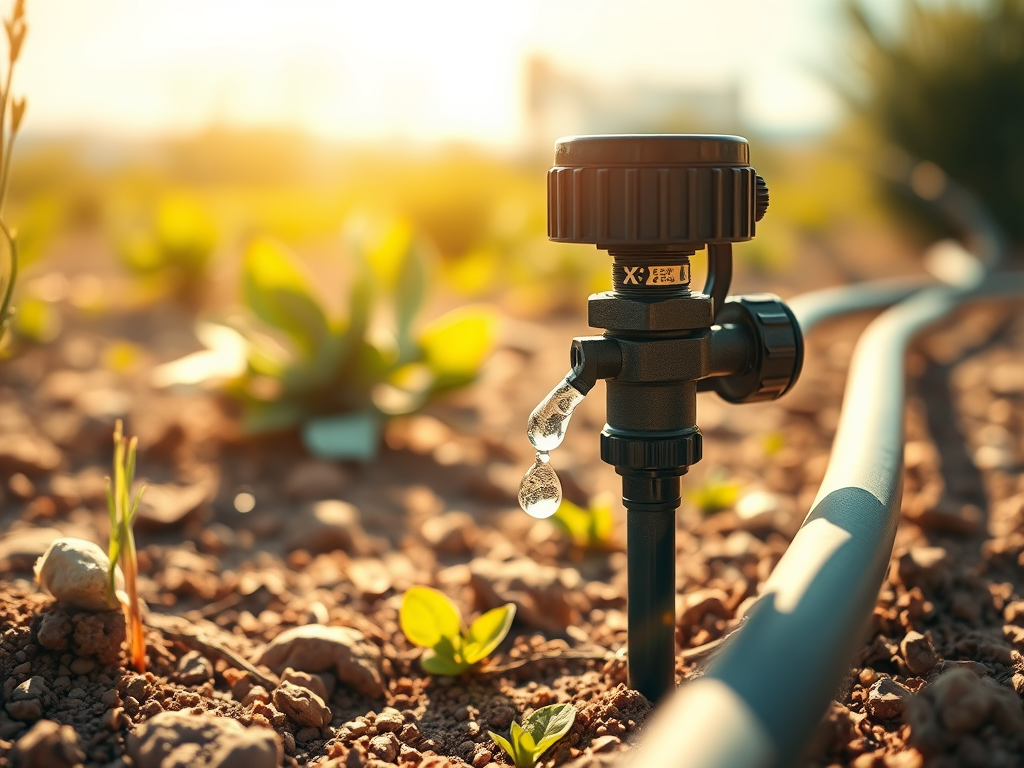
In the arid low desert of Arizona, including San Tan Valley, Queen Creek, and Florence, water is a precious resource, and efficient irrigation is essential for thriving gardens. Drip irrigation, a method that delivers water directly to plant roots, is a game-changer for conserving water while keeping your garden lush.…
-
Soil Health: Improving Your Garden Soil in Arizona
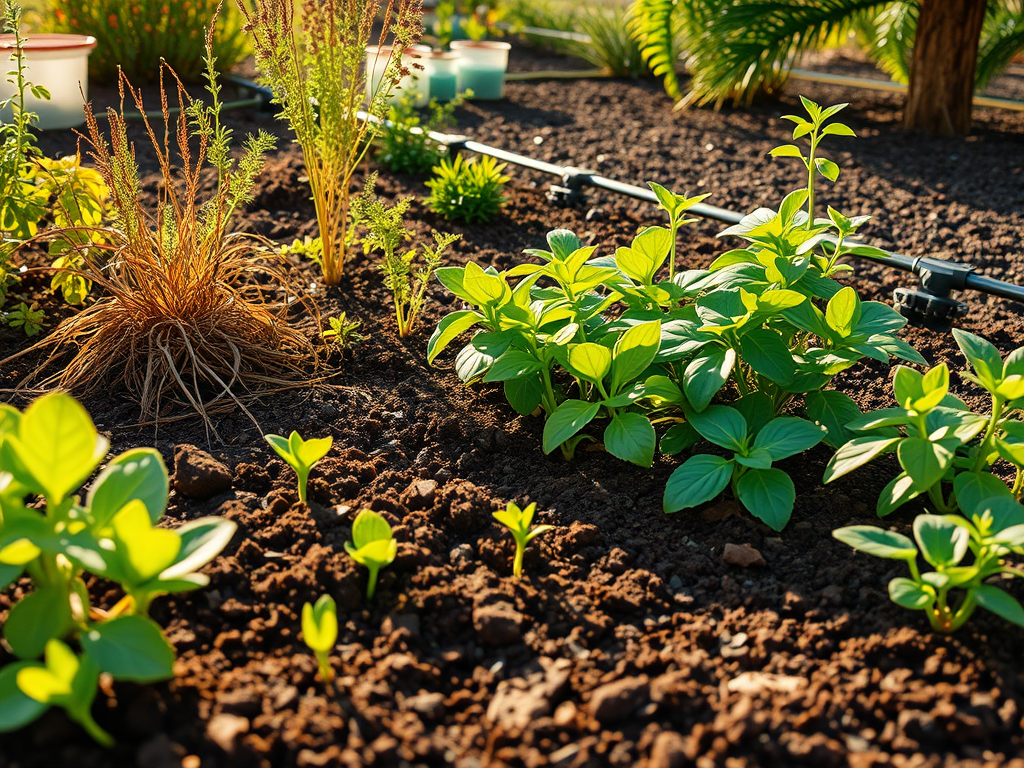
Improving soil health is essential for a thriving garden, especially in Arizona’s low desert where soils are often challenging. This guide offers simple steps to test and amend your soil for better plant growth in San Tan Valley, Queen Creek, and Florence. Testing Your Soil Start by checking your soil’s…
 Franciscan Landscape