Category: Low-Water Landscape
-
Red Yucca: A Vibrant, Drought-Tolerant Star for Your Desert Landscape
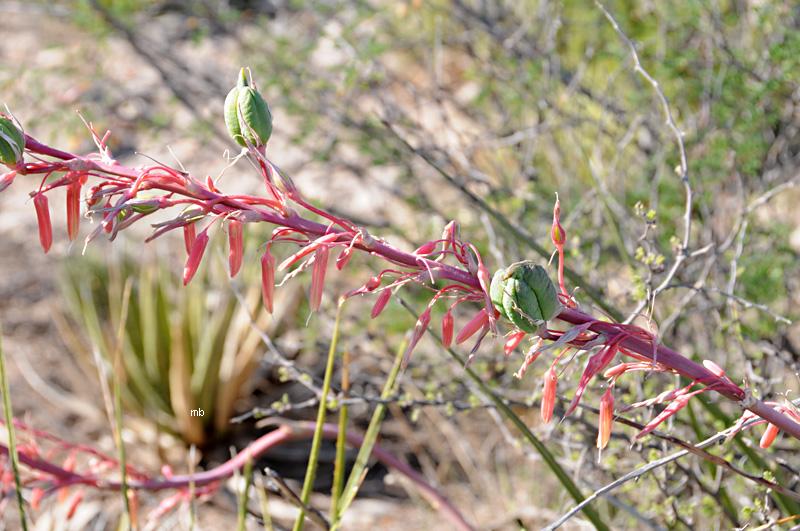
Discover the beauty and resilience of Hesperaloe parviflora, or Red Yucca, a native perennial that adds striking color and structure to desert landscapes. With its arching evergreen leaves and tall flower stalks in coral-pink, this plant thrives in San Tan Valley’s harsh climate, attracting hummingbirds while requiring minimal water. Explore…
-
Butterfly Gardens: Plants That Attract Butterflies in Arizona’s Low Desert
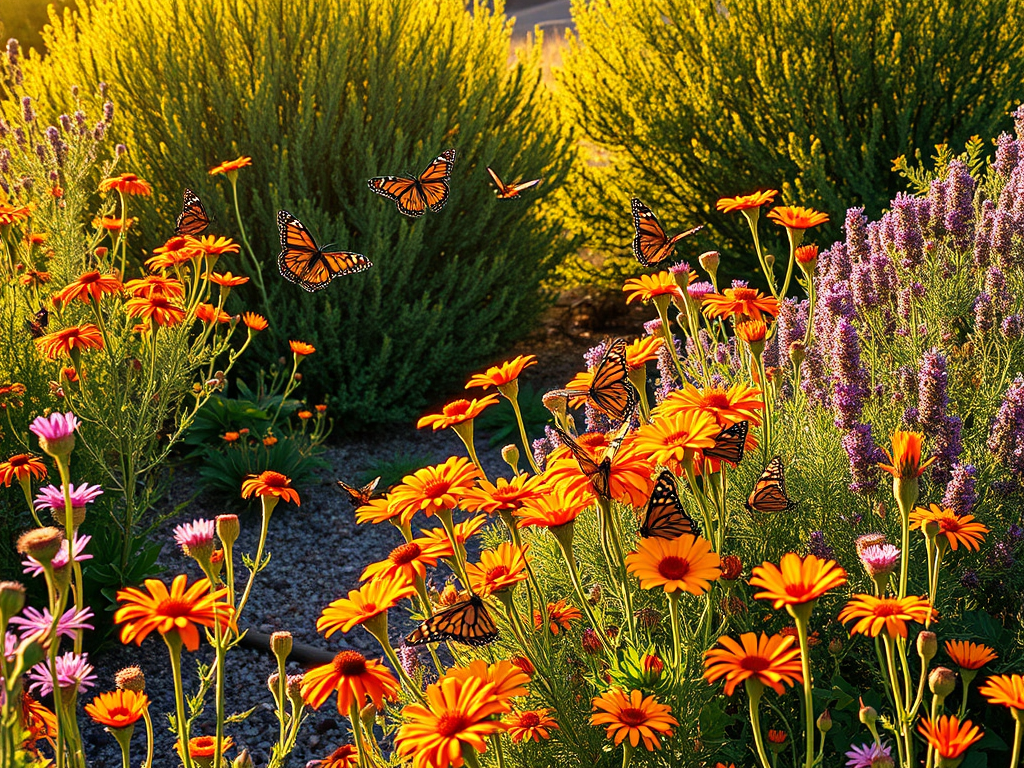
Creating a butterfly garden in Arizona’s low desert supports local pollinators and enhances biodiversity. By planting native and drought-tolerant species, like Monarch-friendly milkweeds, gardeners can provide essential nectar, host plants, and shelter while conserving water. This initiative helps safeguard butterfly populations, elevating both garden aesthetics and ecosystem health.
-
Rainwater Harvesting for Gardeners
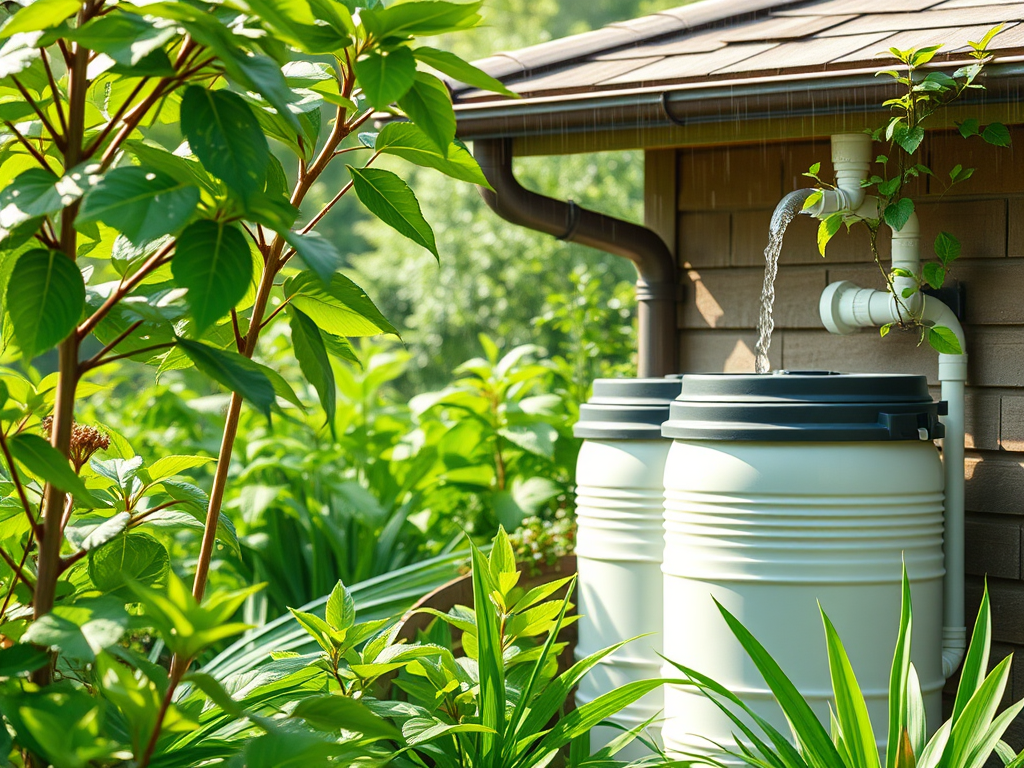
Setting up a rainwater harvesting system is straightforward and can be tailored to your garden’s size and needs. Here are the key steps, adapted from the University of Arizona Cooperative Extension and local resources like the City of Chandler: 1. Choose a Collection Surface 2. Install Gutters and Downspouts 3.…
-
Mulching: Benefits and Best Practices for Arizona
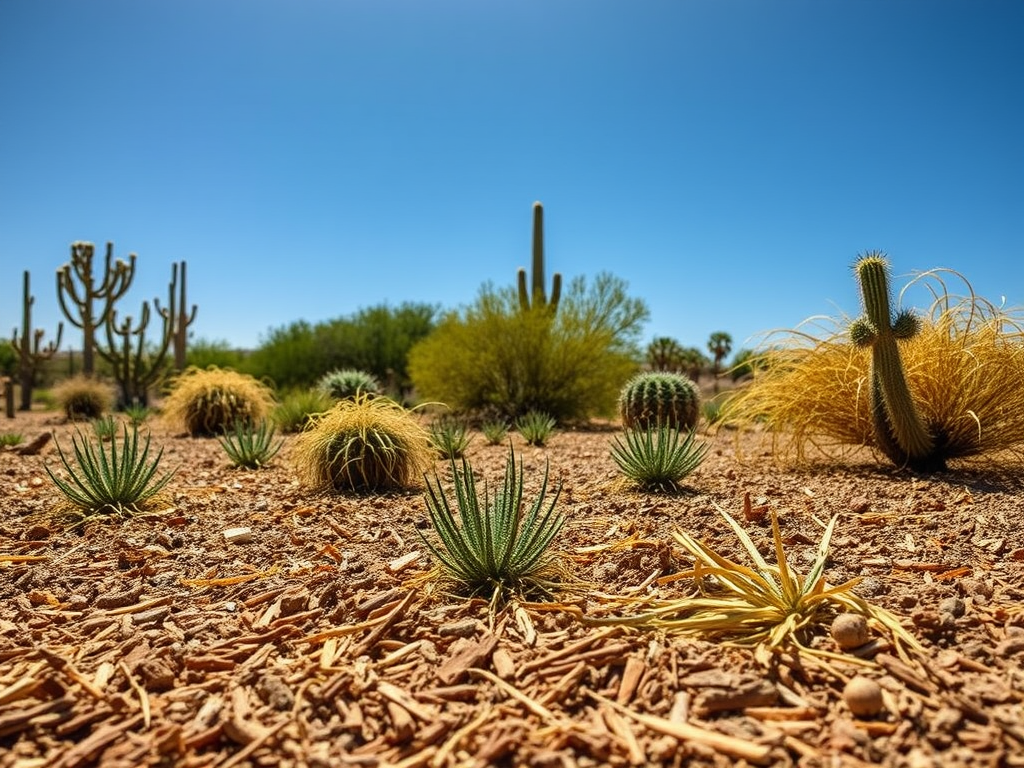
guide, informed by the University of Arizona Cooperative Extension and Pinal County Master Gardeners, explores the benefits of mulching, best practices for Arizona’s low desert, and how these differ from eastern U.S. methods, ensuring a thriving, sustainable garden. Why Mulch in Arizona? In Arizona’s low desert, where summer temperatures exceed…
-
Understanding Plant Hardiness Zones in Arizona
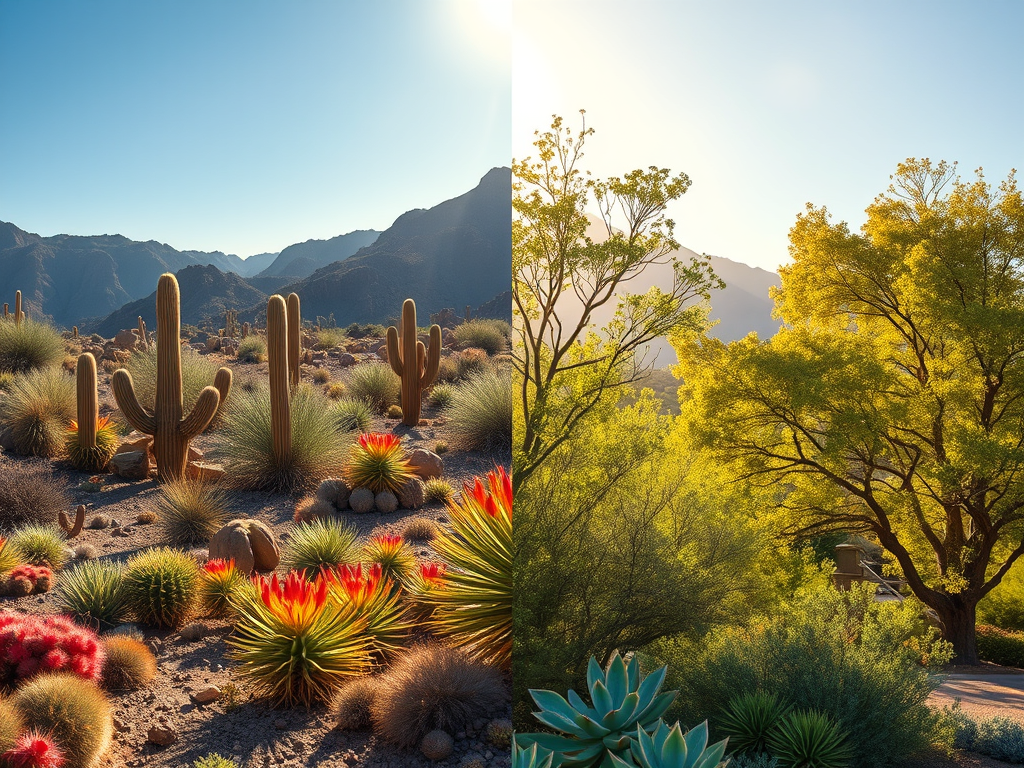
Gardening in Arizona’s diverse landscapes, from the scorching low deserts of San Tan Valley, Queen Creek, and Florence to the cooler high elevations, requires careful plant selection to ensure success. Plant hardiness zones, defined by the USDA based on average annual minimum winter temperatures, are a critical tool for choosing…
-
Creating a Wildlife Habitat in Your Backyard in San Tan Valley
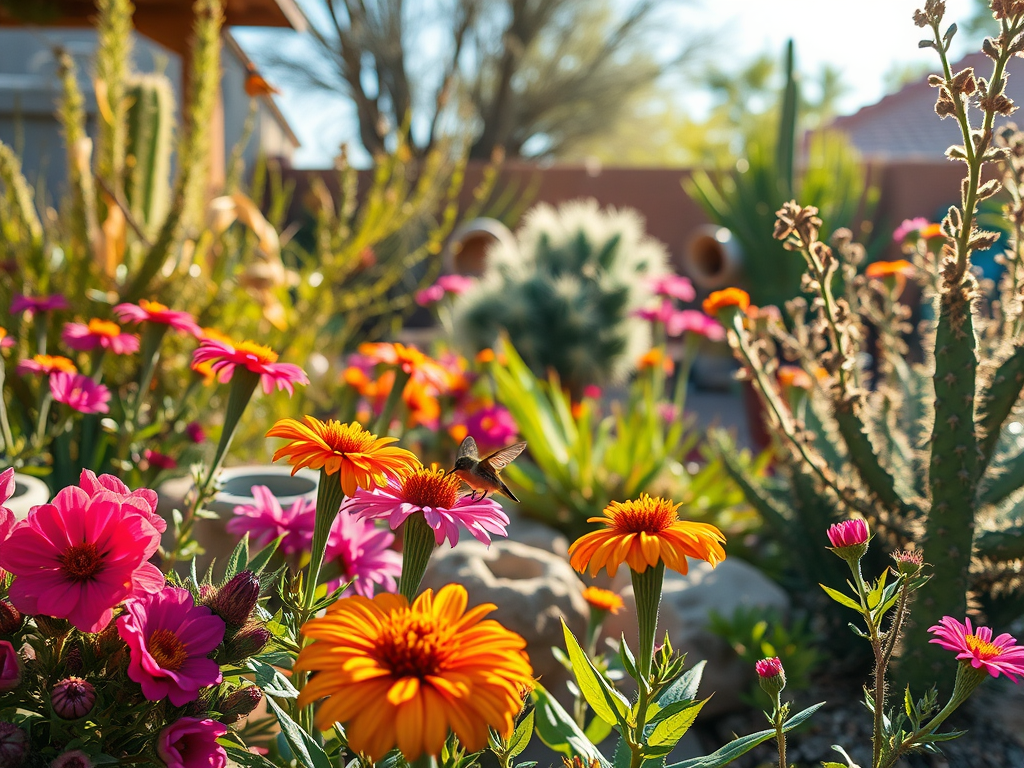
Transforming your backyard into a wildlife habitat in San Tan Valley, Queen Creek, and Florence, Arizona, is a rewarding way to support local biodiversity while enhancing your garden’s beauty. In the arid low desert of Pinal County (USDA Hardiness Zones 9-10B, 8-12 inches annual rainfall), creating a haven for birds,…
-
Drip Irrigation: Efficient Watering for Your Garden
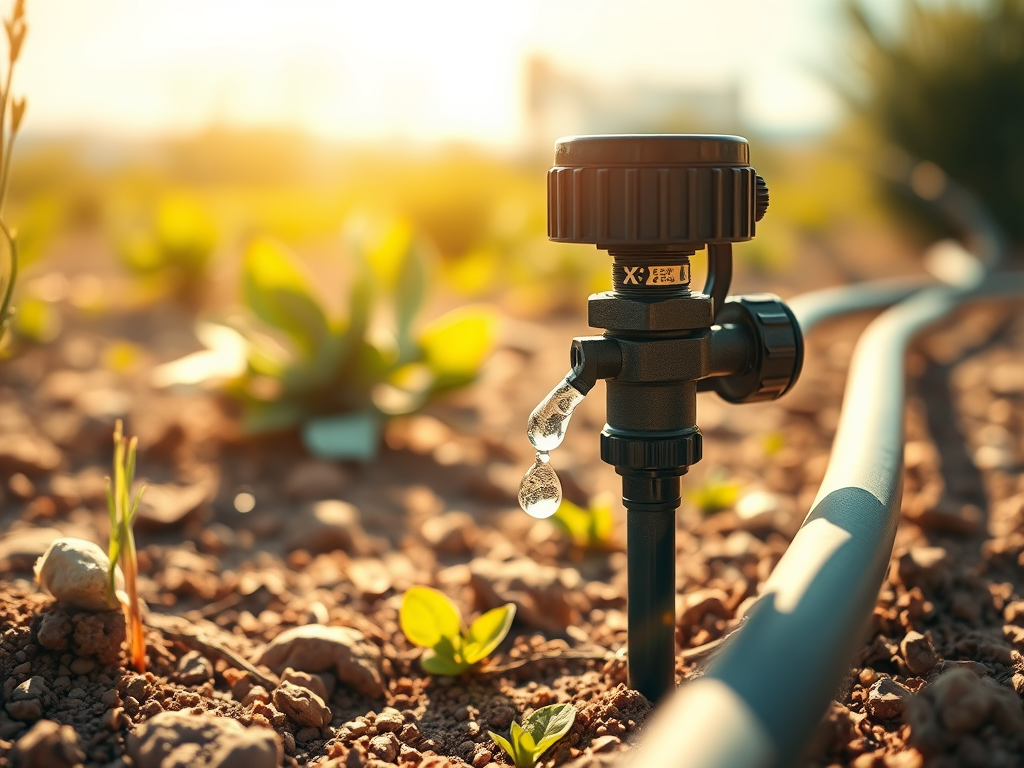
In the arid low desert of Arizona, including San Tan Valley, Queen Creek, and Florence, water is a precious resource, and efficient irrigation is essential for thriving gardens. Drip irrigation, a method that delivers water directly to plant roots, is a game-changer for conserving water while keeping your garden lush.…
-
Pest Control in the Garden: Natural Methods
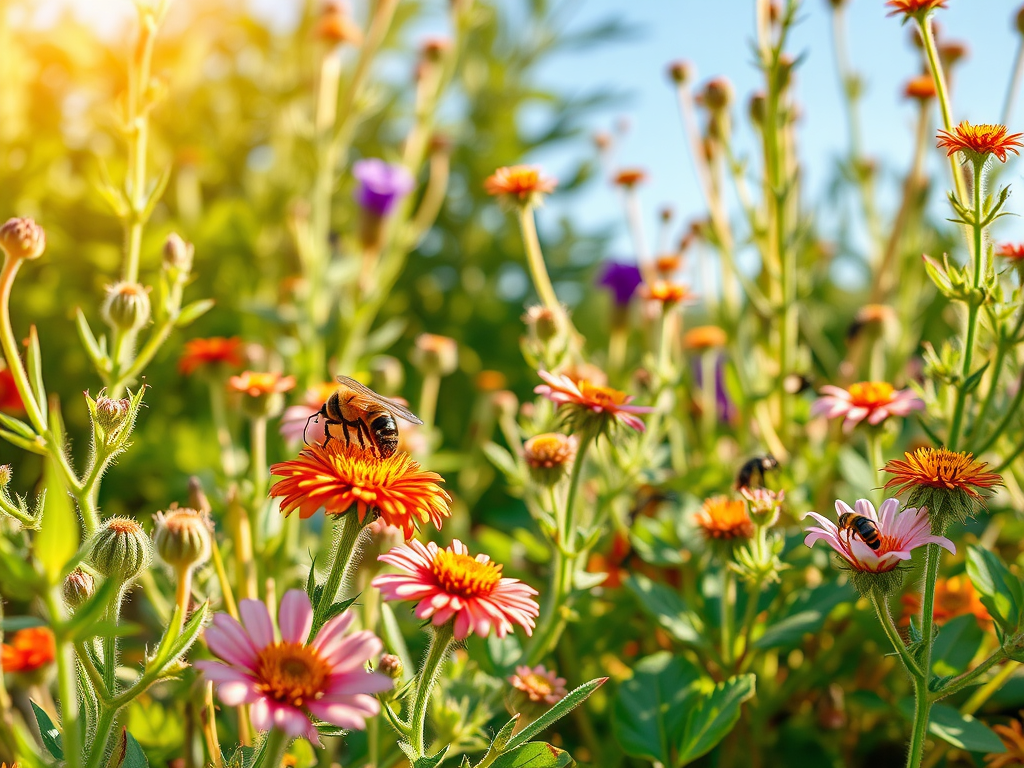
Gardening in the low desert of Arizona, including San Tan Valley, Queen Creek, and Florence, presents unique challenges due to the region’s hot, arid climate (USDA Hardiness Zones 9-10B, 8-12 inches annual rainfall). Pests like aphids, whiteflies, and caterpillars can wreak havoc on your plants, but synthetic pesticides can harm…
-
Succulent Arrangements: Creative Ways to Display Succulents
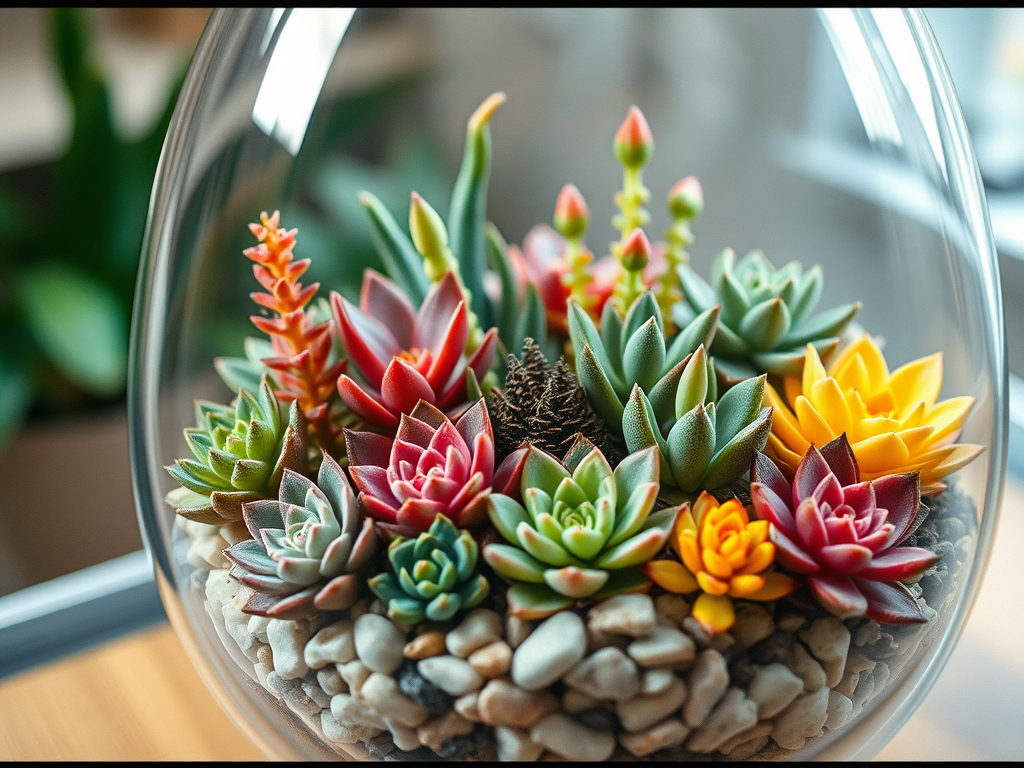
Succulents, with their striking shapes, vibrant colors, and low-maintenance nature, are perfect for creating eye-catching arrangements that enhance both indoor and outdoor spaces. In the arid low desert of San Tan Valley, Queen Creek, and Florence, Arizona, succulents thrive in the hot, dry climate (USDA Hardiness Zones 9-10B), making them…
-
Water-Wise Gardening: Conserving Water in Your Landscape

In the sun-soaked desert landscapes of San Tan Valley, Queen Creek, and Florence, Arizona, water is a precious resource that demands thoughtful use. Water-wise gardening is the art of creating a beautiful, thriving landscape while minimizing water consumption. By adopting smart techniques tailored to Pinal County’s arid climate, you can…
 Franciscan Landscape